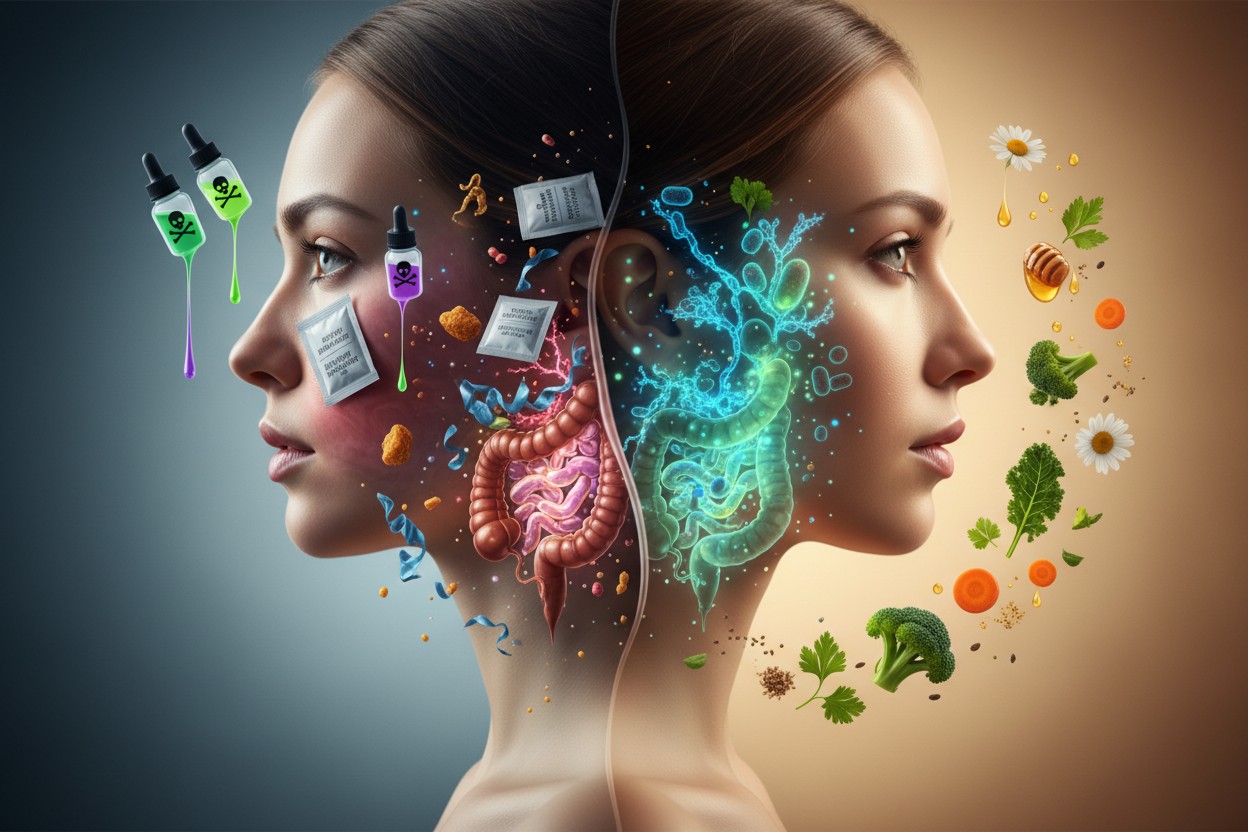
- The brain requires a constant supply of balanced glucose from complex carbohydrates, essential fats for structure, and phospholipids for memory.
- The gut microbiome, often called the "second brain," must be fed prebiotic fibers to support overall health and cognitive function.
- Disruption of the gut microbiome, known as dysbiosis, is directly linked to neurodevelopmental disorders like Autism Spectrum Disorder (ASD), influencing behavior, social deficits, and gastrointestinal health.
- Specific bacterial metabolites, such as the toxin 4EPS, have been identified as direct chemical culprits that can induce autism-like behaviors in animal models.
- Beneficial microbes, including Bacteroides fragilis, have shown remarkable therapeutic potential in experimental models, reversing gut permeability, correcting dysbiosis, and alleviating key behavioral symptoms.
- The mechanisms involve a complex interplay of the immune, endocrine, and nervous systems, with diet playing a pivotal role in either promoting inflammatory disease or fostering a healing, anti-inflammatory microbial environment.
- A practical, week-to-week meal plan can integrate these principles, emphasizing whole foods, healthy fats, and microbiome support while reducing processed ingredients.
The gut-brain axis
The gut-brain axis is not a metaphorical concept but a hardwired, biochemical communication network. It involves neural pathways like the vagus nerve, the immune system, and the endocrine system. The gut microbiota—the community of bacteria, viruses, and fungi residing in the intestines—acts as a master regulator of this network. These microbes produce a vast array of neuroactive compounds, including neurotransmitters like serotonin and dopamine, which are essential for regulating mood and cognition. They also govern the integrity of the intestinal lining; when this barrier breaks down due to dysbiosis, a condition often called "leaky gut," inflammatory particles and bacterial toxins can enter the bloodstream and trigger systemic inflammation, including neuroinflammation in the brain. This process is powerfully illustrated in research on Autism Spectrum Disorder. Individuals with ASD consistently suffer from co-occurring gastrointestinal dysfunction and show significant, measurable shifts in their gut microbial populations compared to neurotypical individuals. The science moves beyond correlation to causation in animal models. In a seminal study using a maternal immune activation (MIA) mouse model of autism, researchers led by Hsiao found offspring exhibited not only hallmark social and behavioral deficits but also severe gut dysbiosis and intestinal permeability. The breakthrough came with intervention. Treating these ASD-model mice with the human commensal bacterium Bacteroides fragilis at a young age restored gut integrity, corrected microbial balance, and—most dramatically—ameliorated specific behavioral dysfunctions including anxiety-like behaviors and communication deficits. This treatment did not merely soothe the gut; it directly changed brain-affected behavior, proving the microbial world's direct authority over neurology.Bacterial metabolites: The chemical weapons and healers
How can a bacterium in the gut change behavior in the brain? The answer lies in the potent metabolites these microbes produce. The research uncovered a critical chemical culprit: a metabolite called 4-ethylphenylsulfate (4EPS). Levels of this uremic toxin were found to be 46-fold higher in the ASD mouse models. Astoundingly, when purified 4EPS was injected into healthy, normal mice, it alone induced autism-like behaviors. The treatment with B. fragilis worked, in part, by drastically reducing the levels of this brain-altering toxin. This reveals a terrifying and hopeful reality: our gut bacteria are manufacturing chemicals that can act as neurotoxins or neurotherapeutics. The Western diet, laden with processed foods, sugars, and inflammatory fats, promotes the growth of bacteria that produce these damaging compounds. Conversely, diets rich in fiber and fermented foods feed beneficial bacteria that produce anti-inflammatory short-chain fatty acids and other compounds that support brain health, including brain-derived neurotrophic factor (BDNF), a crucial protein for neuronal growth and resilience.Building the nutritional foundation
The brain's primary fuel is glucose, but the source matters critically. Refined sugars cause damaging spikes and crashes, while complex carbohydrates from whole grains, vegetables, and lentils provide a steady, clean energy stream that keeps cognitive functions running smoothly. Beyond fuel, the brain's very architecture is built from fats. Approximately 60% of its dry weight is fat, demanding a constant supply of omega-3 fatty acids from oily fish, seeds, nuts, and cold-pressed oils to maintain fluidity and facilitate communication between neurons. Furthermore, specific nutrients act as specialized tools. Phospholipids, found abundantly in eggs, liver, and soy, are essential for forming and protecting the membranes of brain cells, directly influencing memory and learning. Amino acids from protein sources like salmon, chicken, lentils, and tofu serve as the precursors for neurotransmitters, the brain's chemical messengers that govern mood, focus, and sleep. "Intelligent nutrients"—the vitamins and minerals packed into fresh fruits and vegetables—act as fine-tuning agents, enabling the countless enzymatic reactions that underpin thought itself.Feeding the second brain
No brain-boosting regimen is complete without addressing the gut. The vast community of microbes in the intestines influences inflammation, hormone production, and even the production of neurotransmitters like serotonin. To cultivate a beneficial microbiome, prebiotic fibers are non-negotiable. These indigestible compounds serve as food for probiotic bacteria, allowing them to flourish. Key prebiotic foods to incorporate daily include garlic, onions, leeks, asparagus, bananas, Jerusalem artichokes, dandelion greens, and oats. A holistic meal plan, therefore, seamlessly weaves these elements together. Breakfast might feature oatmeal topped with walnuts, flax seeds, and a banana, providing complex carbs, omega-3s, and prebiotics. Lunch could be a large salad of mixed greens with grilled salmon, lentils, and an olive oil dressing, delivering amino acids, essential fats, and fiber. A smoothie with an avocado and blueberry base makes a great mid-day fuel. Snacks shift to handfuls of nuts, seeds, or fresh fruit. Dinner focuses on moderate protein, like tofu or chicken, with a double portion of non-starchy vegetables and a side of fermented food like sauerkraut. Week-to-week planning ensures variety, incorporating liver once a week for a phospholipid boost, and oily fish like salmon or mackerel at least twice. This approach naturally aligns with broader guidelines: reducing total fat intake to less than 30% of calories by eliminating processed oils, severely limiting refined sugars, maintaining moderate protein, and boosting potassium from vegetables while reducing sodium. It is a conscious return to food as foundational medicine. By viewing each meal as an opportunity to feed both the cranial and enteric brains, individuals can bathe their biology in a nutrient-rich environment, turning the tide against the silent starvation of the modern age and forging a path toward sustained mental clarity and resilience. Sources include: TheEpochTimes.com Pubmed.gov Enoch, Brighteon.ai
Willamette Valley Pie Company Recalls Frozen Blueberry Desserts Over Listeria Concerns
By Coco Somers // Share

Routines that Emphasize Natural, Non-Pharmaceutical Approaches Support Skin Health
By Petra Stone // Share

Study Examines Brain-Derived Protein Release Following 30-Minute Exercise Session
By Petra Stone // Share

Radish: An ancient, nutrient-packed root vegetable that belongs in modern kitchens
By Evangelyn Rodriguez // Share

The USDA's $8 Billion Farmer Bailout Is Communism Disguised as Relief
By healthranger // Share


Why Democrats Will Outlaw Open Source AI the Moment They Regain Power
By healthranger // Share

Could your sugar habit be reshaping your mouth's ecosystem?
By willowt // Share

Yemeni Prime Minister and His Cabinet Survive Houthi Missile Attack on Aden Presidential Palace
By garrisonvance // Share