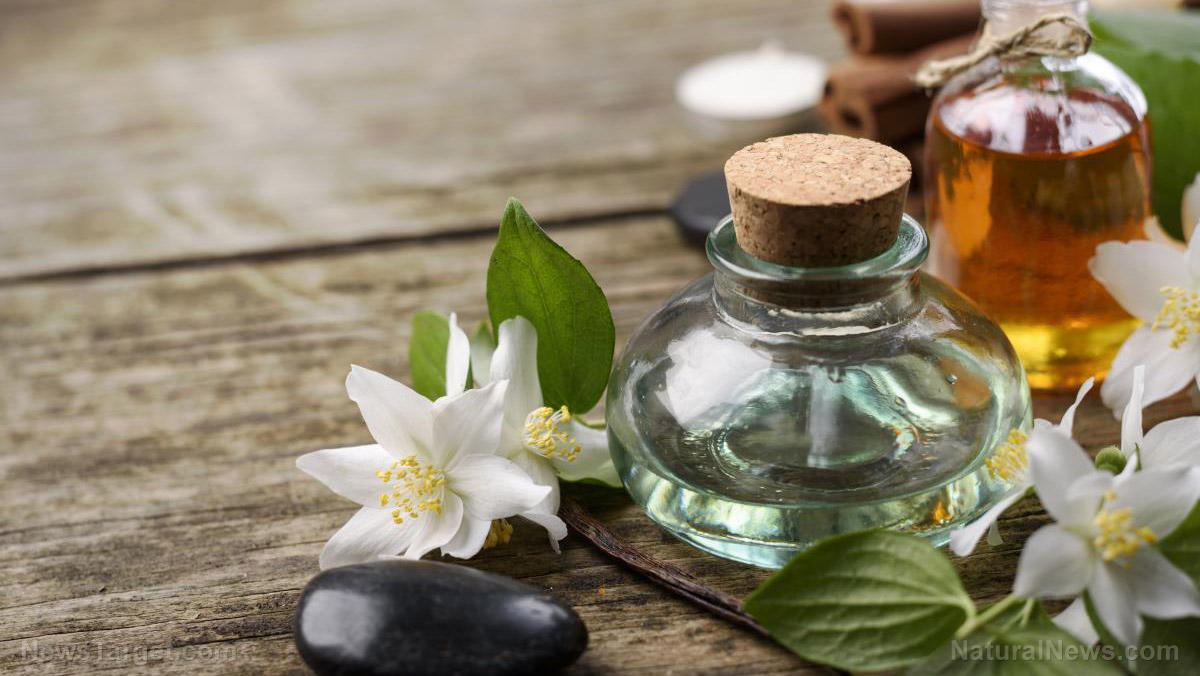
- Essential oils offer natural antiviral and antimicrobial properties against flu viruses.
- Research shows oils like oregano and eucalyptus can combat strains such as H1N1.
- Safe use requires diluting with a carrier oil and avoiding ingestion.
- Inhalation and topical application are effective methods for symptom relief.
- Combine oils with vitamin C, elderberry, and stress management for holistic defense.
The science of scent and survival
Essential oils are far more than simple fragrances. They are complex compounds containing antibacterial, antiviral, and antimicrobial agents. Scientific studies show these oils can combat strong viral strains. One such study noted that certain oils demonstrated antiviral activity against the avian influenza A virus (H5N1). Another 2019 study found a blend of oregano, thyme, and Greek sage essential oils was effective against influenza A/H1N1 virus strains and human rhinovirus in laboratory settings. This antiviral action is often due to specific compounds within the oils. For example, oregano oil contains carvacrol, which one study showed could help kill the human norovirus in an hour. Eucalyptus oil contains 1,8-Cineole, a strong antimicrobial that can help kill viruses like adenovirus. Tea tree oil contains terpenes that have shown significant inhibitory effects on the H1N1 flu virus in its early stages.A natural arsenal for flu season
Among the most recommended oils for respiratory ailments are oregano, eucalyptus, tea tree, citrus, peppermint, thyme, and lemon balm. Each offers a unique profile of benefits. Peppermint oil, with its menthol content, is a natural decongestant and fever-reducer. Thyme oil contains the antiviral compound thymol. Lemon balm, also known as Melissa officinalis, is noted for being particularly effective when used at the very first sign of symptoms. Eucalyptus oil holds a special place in this natural arsenal. A 2021 review concluded that eucalyptus oil and its major compounds have very good potential to treat and prevent viral diseases, citing its anti-inflammatory, mucus-thinning, and antispasmodic properties. Traditionally used for disorders like pharyngitis and bronchitis, its modern application is well-supported.Safe and effective application methods
Knowing how to use these powerful oils is critical. They are highly concentrated and should never be ingested unless under direct supervision of a qualified professional. The two primary methods for cold and flu relief are diffusion and topical application with a carrier oil. Inhalation via a diffuser is an excellent way to clear nasal passages and allow the medicinal properties to enter the respiratory system. For a more direct approach, adding a few drops of oil like eucalyptus or peppermint to a bowl of hot water and inhaling the steam can provide relief. For topical use, always dilute essential oils in a carrier oil like coconut, jojoba, or olive oil. A standard safe dilution is roughly three drops of essential oil per tablespoon of carrier oil. This mixture can be rubbed on the chest or feet. It is vital to perform a patch test on a small area of skin before widespread use to check for irritation. Furthermore, always diffuse oils in a well-ventilated area and take breaks. Certain oils, such as cinnamon bark and bergamot, require extra caution due to skin sensitivity or phototoxicity.Building a comprehensive defense
While essential oils can be a powerful tool, they work best as part of a holistic approach to immunity. Complementary practices significantly bolster the body’s defenses. Adequate intake of vitamin C, found in citrus and berries, helps support immune function. Immune-boosting herbs like elderberry have been shown in studies to shorten the duration of the flu. Perhaps most importantly, managing stress through activities like meditation or walking is crucial, as psychological and physical stress is a known suppressor of the immune system. The journey through flu season does not need to be resigned to misery or reliant solely on conventional medicine. By turning to the validated power of essential oils like oregano, eucalyptus, and peppermint, and supporting their use with wise lifestyle choices, individuals can take proactive, natural control of their well-being. This approach represents a return to foundational wellness principles, empowering people to harness nature’s own defenses for a healthier winter. Sources for this article include: Blog.PaleoHacks.com MedicalNewsToday.com Healthline.com Healthline.com
A Step-by-Step Guide to Stopping Sudden Hair Loss in Your 30s
By Coco Somers // Share

Research Confirms Common Kitchen Foods Show Antiparasitic Properties in Human Studies
By Coco Somers // Share
Nature’s antidote: Ginger and peppermint emerge as powerful natural remedies for nausea
By Evangelyn Rodriguez // Share

U.S. Treasury Secretary Suggests Potential Easing of Sanctions on ‘Stranded’ Iranian Oil
By Garrison Vance // Share

By Douglas Harrington // Share

Clinical Study Suggests Kimchi Consumption May Modulate Immune Cell Function
By Coco Somers // Share

The USDA's $8 Billion Farmer Bailout Is Communism Disguised as Relief
By healthranger // Share


Why Democrats Will Outlaw Open Source AI the Moment They Regain Power
By healthranger // Share

Could your sugar habit be reshaping your mouth's ecosystem?
By willowt // Share

Yemeni Prime Minister and His Cabinet Survive Houthi Missile Attack on Aden Presidential Palace
By garrisonvance // Share