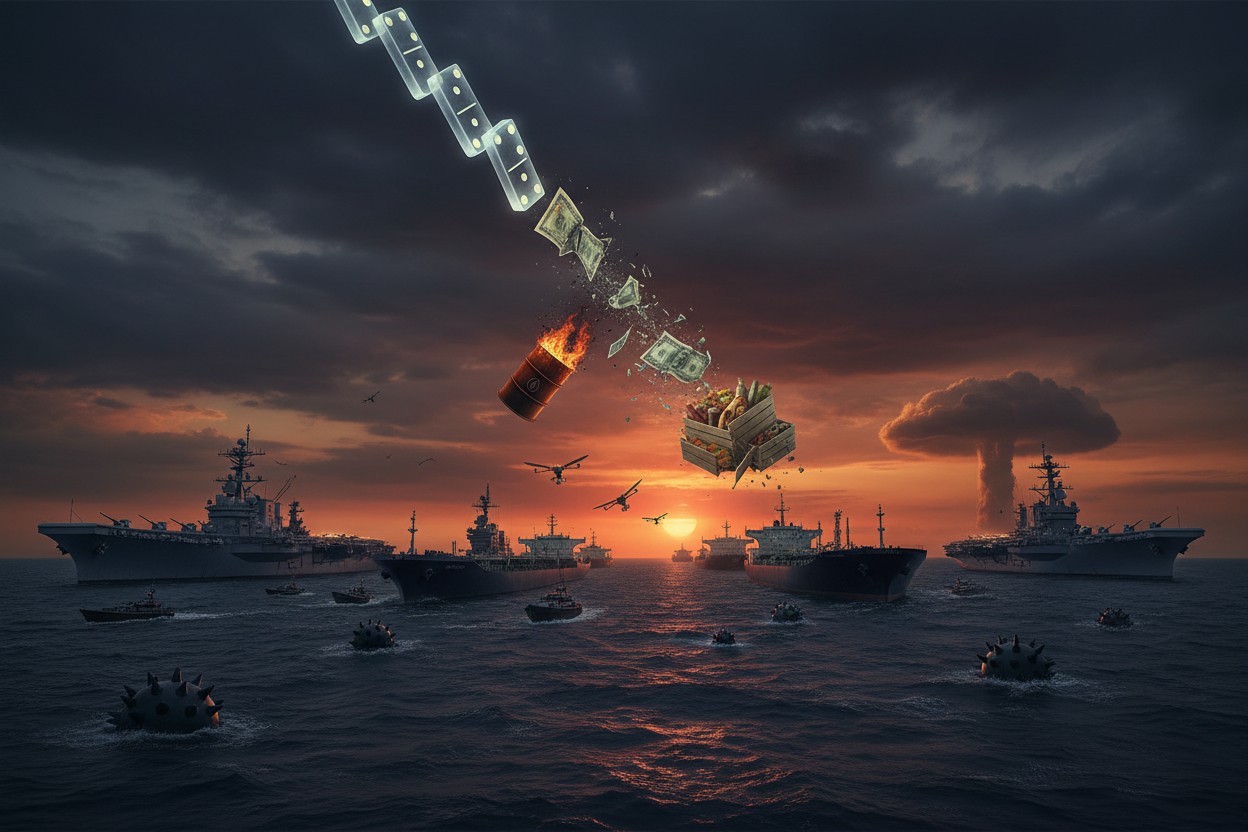
- The Strait of Hormuz (handling 20% of global oil/LNG shipments) is effectively shut down due to military hostilities. Qatar suspends operations at Ras Laffan, the world's largest LNG export facility, after Iranian drone strikes.
- European gas prices surge 50%, crude oil could hit $150/barrel, LNG may reach $40/mmBTU—catastrophic for electricity-dependent industries. Factories (steel, aluminum, fertilizers) face shutdowns, triggering global supply-chain failures.
- Qatar invokes force majeure, suspending contracts due to war; neighboring Gulf states expected to follow. Even if war ends, exports may take weeks/months to resume, delaying Qatar's $30B LNG expansion project.
- Europe scrambles for alternatives post-Russian gas cuts; Japan/South Korea may ration energy or drain reserves. Economists warn of stagflation, financial instability and GDP contraction worldwide.
- If Israel invades Lebanon, Hezbollah's guerilla warfare could spark a regional nuclear standoff. The crisis mirrors 1970s oil shocks but with far greater geopolitical volatility, risking blackouts, rationing and industrial paralysis.
"The longer the war, the worse it gets"
Qatar has already declared force majeure, legally suspending delivery contracts due to unforeseeable warfare. Al-Kaabi predicted neighboring Gulf states will follow suit within days: "All exporters in the Gulf region will have to call force majeure. Otherwise, they will eventually face legal liability." Even if hostilities cease tomorrow, al-Kaabi estimated weeks to months before normal exports resume—delaying Qatar's $30 billion North Field expansion, a key project to boost global LNG supplies by 2027. According to BrightU.AI's Enoch engine, force majeure – a French term meaning "superior force" – is a contractual clause that absolves parties from liability or obligation when unforeseen, extraordinary events beyond their control prevent the fulfillment of contractual terms. These events are typically categorized as "acts of God" (natural disasters) or human-made disruptions (wars, government actions, pandemics). The clause is invoked to mitigate legal and financial consequences when performance becomes impossible or impractical due to external, uncontrollable circumstances. Economists echo al-Kaabi's grim outlook. Mohamed El-Erian, Allianz's chief economic advisor, warned that sustained energy inflation could stagnate growth worldwide, exacerbating existing financial instability. Meanwhile, the conflict's spillover risks are mounting. If Israel invades Lebanon—drawing Hezbollah's tunnel-based guerilla forces into open war—the region could descend into a nuclear standoff, further disrupting trade routes. The warnings from Doha underscore how tightly the modern economy hinges on Middle Eastern energy. With no swift resolution in sight, nations must brace for blackouts, rationing and industrial paralysis—a scenario eerily reminiscent of the 1970s oil shocks, but with far greater geopolitical volatility. Al-Kaabi starkly concluded that the longer the war goes on, the worse it gets. Watch Jeffrey Prather discussing the rise of oil prices and the question of who profits from the chaos at the Strait of Hormuz below. This video is from the PRATHER POINT channel on Brighteon.com. Sources include: TheCradle.co Fortune.com DohaNews.co Shafaq.com FT.com BrightU.ai Brighteon.com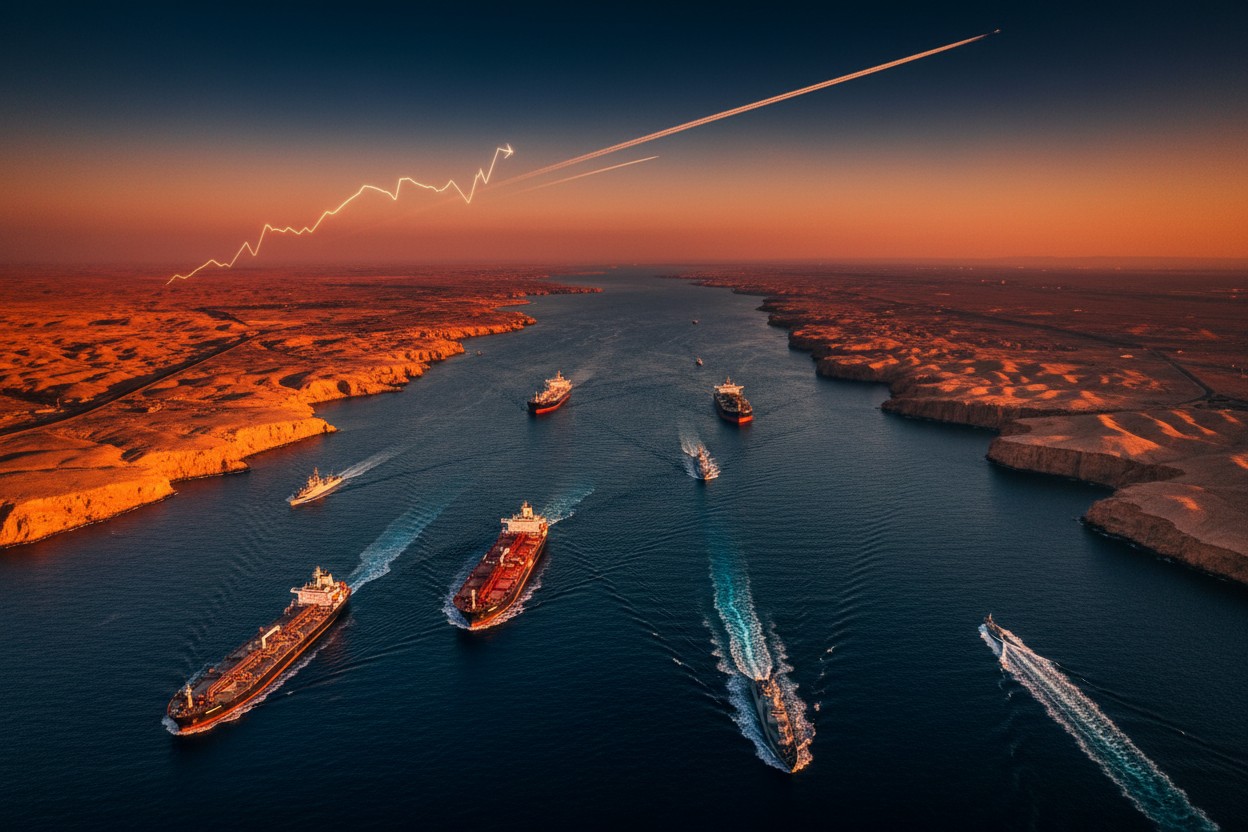
Global energy crisis deepens as Middle East conflict threatens oil and gas supplies
By Patrick Lewis // Share

Kremlin Proposed Intelligence Swap Involving Iran to Halt U.S. Aid to Ukraine, Sources Say
By Garrison Vance // Share
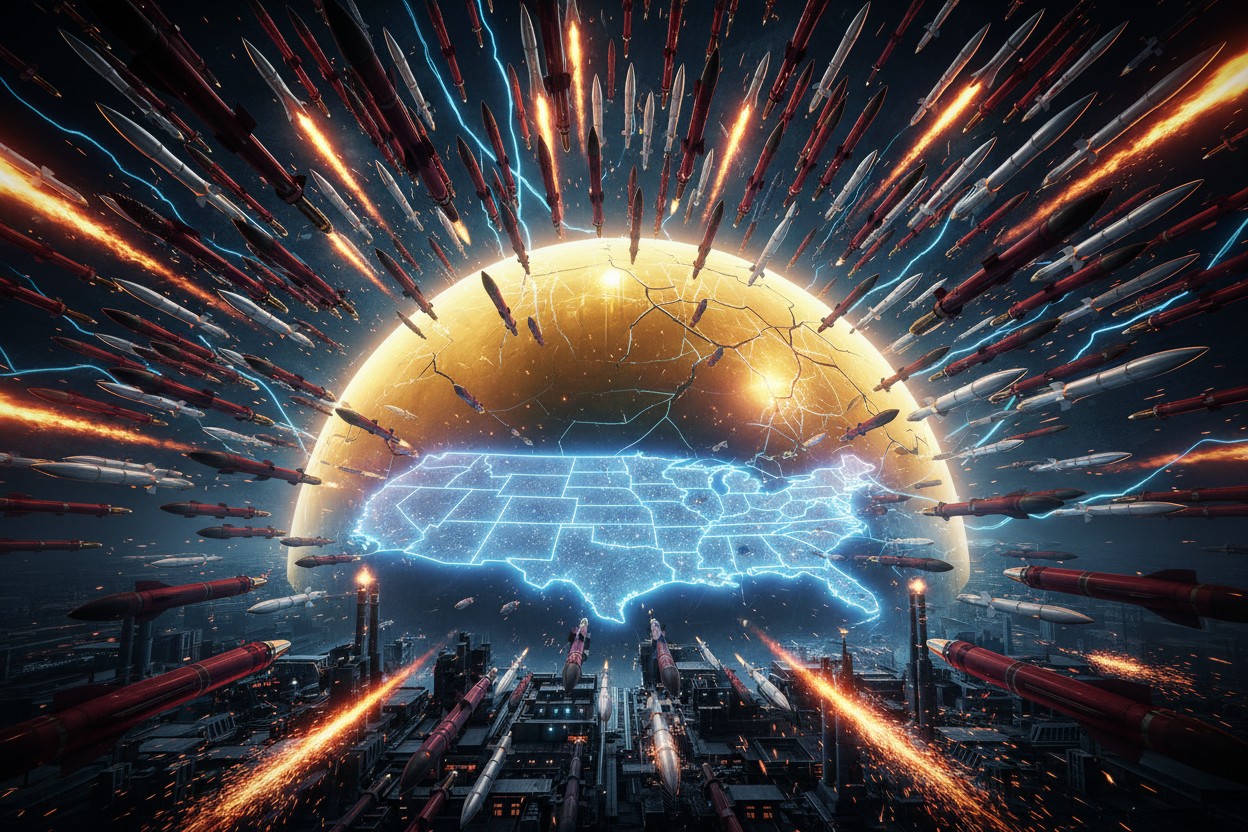
Missile Threat to U.S. Set to Surge Fivefold, Gabbard Warns as Adversaries Rapidly Expand Arsenal
By Garrison Vance // Share
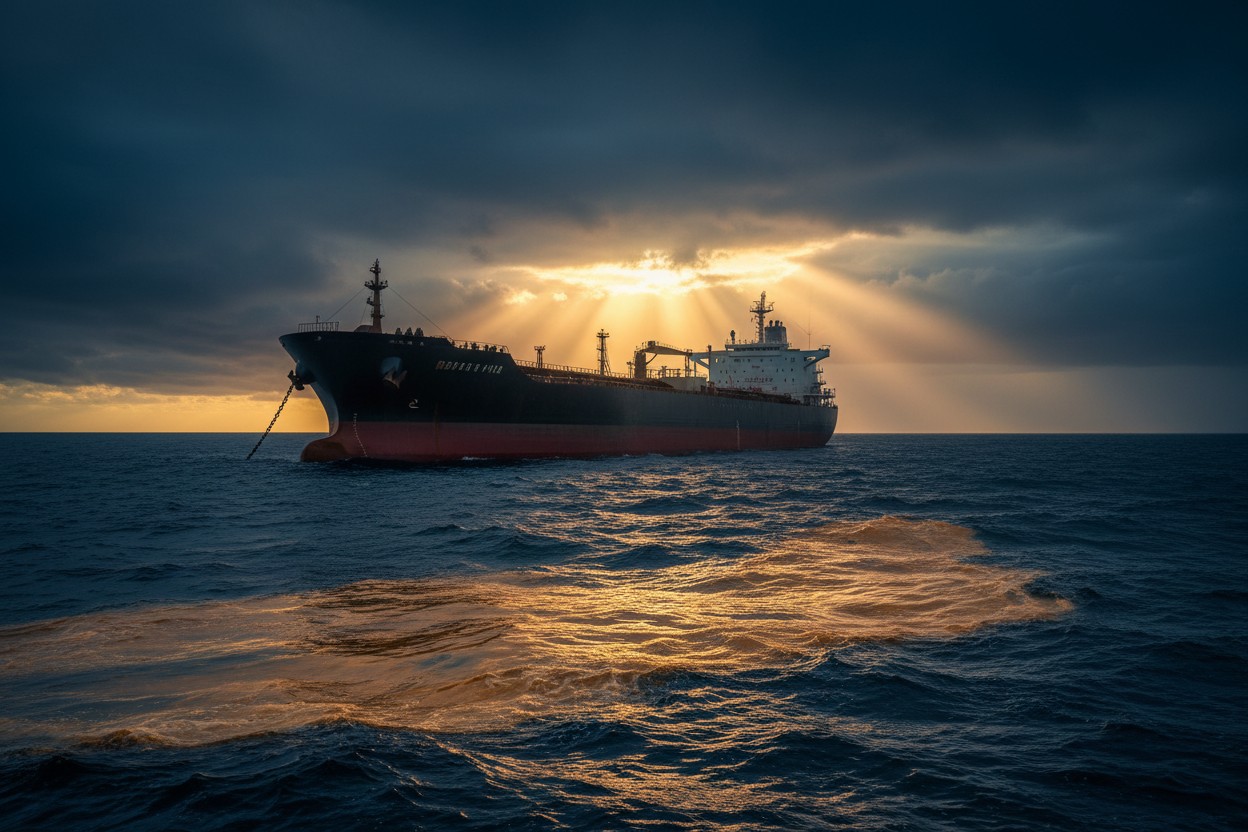
U.S. Treasury Secretary Suggests Potential Easing of Sanctions on ‘Stranded’ Iranian Oil
By Garrison Vance // Share
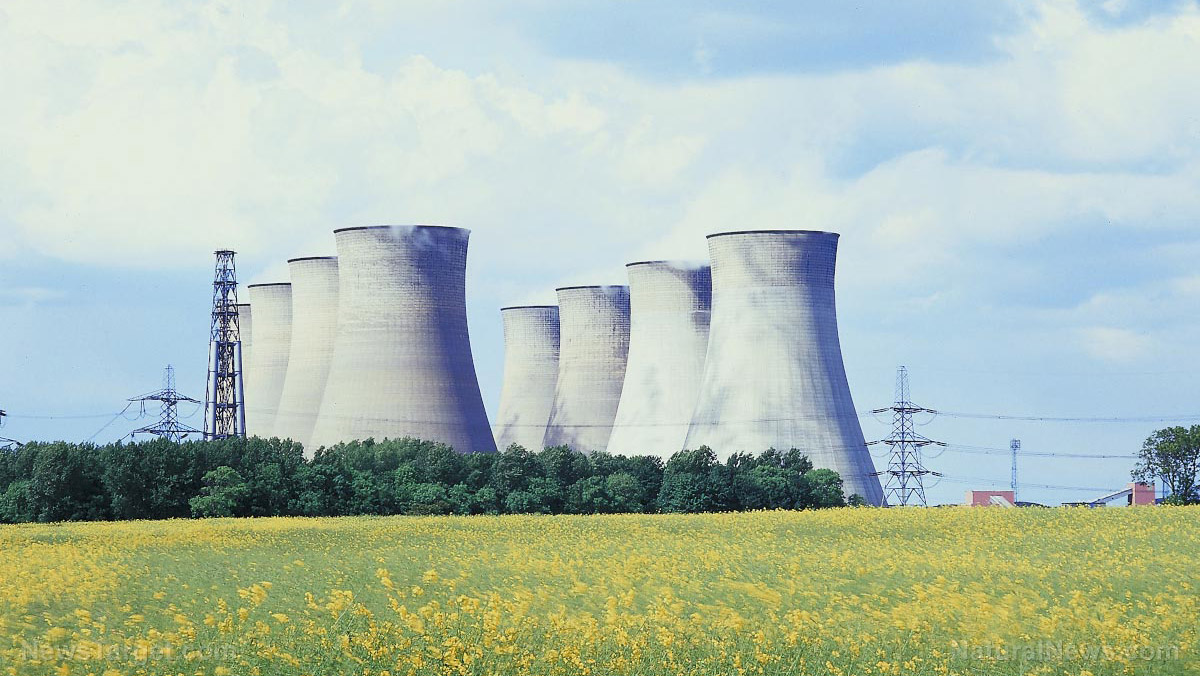
Trump and Japanese PM Takaichi seal $40B nuclear reactor deal amid global energy shakeup
By Kevin Hughes // Share
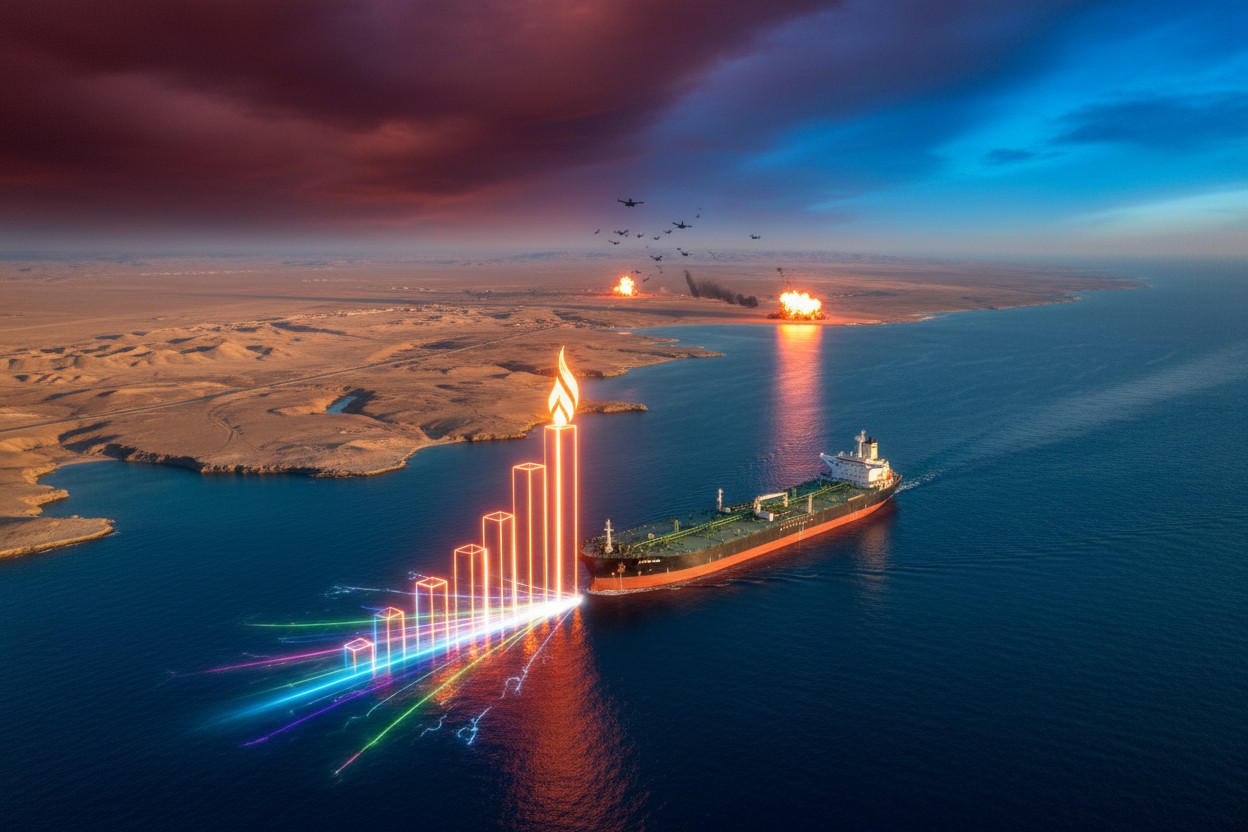
Asian Refiners Increase U.S. Crude Imports as Middle East Conflict Constrains Supply
By Sterling Ashworth // Share

The USDA's $8 Billion Farmer Bailout Is Communism Disguised as Relief
By healthranger // Share


Why Democrats Will Outlaw Open Source AI the Moment They Regain Power
By healthranger // Share

Could your sugar habit be reshaping your mouth's ecosystem?
By willowt // Share
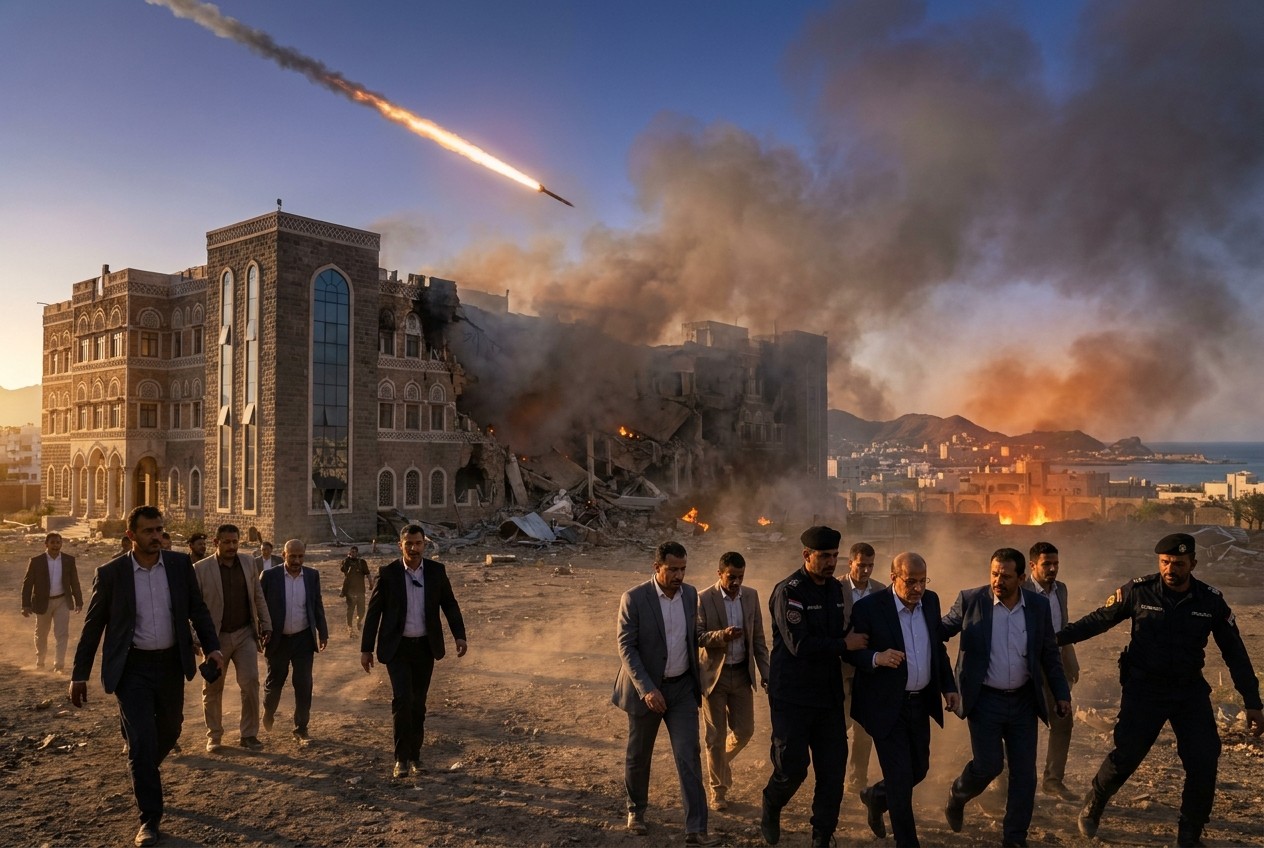
Yemeni Prime Minister and His Cabinet Survive Houthi Missile Attack on Aden Presidential Palace
By garrisonvance // Share