
- A new large-scale study found that people with a biological age older than their calendar age had a 41% higher risk of stroke.
- Individuals who reduced their biological age over a six-year period saw a 23% reduction in stroke risk and had fewer signs of brain damage.
- It provides evidence that targeting the underlying mechanisms of aging itself could prevent multiple age-related diseases, including stroke and cognitive decline.
- Key modifiable factors include quality sleep, consistent physical activity, a healthy diet (like the Mediterranean pattern) and effective stress management.
- While the study shows association, not direct causation, it translates "healthy living" into the tangible outcome of a younger biological age, promoting longer, healthier brain function.
Beyond the birthday: Defining the two ages
Every person carries two ages. The first is chronological age, the simple tally of years since birth. The second is biological age, a portrait of how the body's systems are actually functioning. Think of it as the difference between a car's model year and its current condition. Researchers calculate biological age by analyzing key biomarkers in the blood—indicators like cholesterol, blood sugar and inflammation. When these metrics are optimal, a person's biological age can be younger than their chronological age, signifying slower aging. This difference is the "biological age gap," and it is this gap that the new study identifies as a critical warning sign for brain health.A decade of data reveals a stark divide
The study's scale is formidable. Scientists tracked the cohort for an average of ten years, using 18 blood biomarkers to establish each participant's biological age. For a subset, they took measurements again six years later to see how this internal age changed. They then correlated these findings with medical records of strokes, brain scans and cognitive tests. The results were striking. Participants whose biological age was older than their actual age faced a 41% higher risk of stroke. Their brain scans also showed more white matter hyperintensities—areas of damage linked to cognitive decline—and they performed worse on tests of memory and thinking skills.The power to turn back the internal clock
The most hopeful finding was about resilience. The research demonstrated that improvement is possible. Individuals who narrowed their biological age gap over the six-year period—effectively making their bodies biologically younger—saw a 23% reduction in stroke risk. Furthermore, for every standard deviation of improvement, they had 13% less volume of damaging white matter lesions in their brains. These associations held true even after accounting for other factors like high blood pressure. This suggests biological age captures a unique spectrum of physiological decline that directly impacts cerebrovascular health.A historical shift in medicine's focus
This research represents the maturation of a decades-long shift. Historically, medicine has been reactive. The concept of biological age reframes health as a dynamic process. It builds upon foundational studies, like pivotal 2019 research in Aging Cell which showed that every 5-8 year reduction in biological aging was linked to a 20-32% lower chance of living to 90 in good health. Today's findings apply that principle to a devastating neurological event. They move the goalpost from simply adding years to life, to adding healthy, functional life to years—specifically by preserving the brain. It validates that targeting the underlying mechanisms of aging could prevent a host of age-related diseases simultaneously.The lifestyle lever: How to influence your biological age
While the study did not test specific interventions, its lead author, Dr. Cyprien Rivier of Yale University, notes that the biomarkers used are directly influenced by modifiable lifestyle factors. The pathway to a younger biological age runs through established pillars of health. The evidence points to key strategies: Sleep: Prioritizing seven to nine hours of quality sleep nightly to regulate inflammation and metabolism. Activity: Consistent physical activity, combining cardiovascular and strength training. Diet: Adopting patterns like the Mediterranean diet, rich in plants, healthy fats and lean proteins, to directly improve cholesterol and inflammatory markers. Stress management: Curbing chronic stress is a physiological necessity to slow hormonal cascades that accelerate cellular aging.A note of scientific caution
As with all observational research, this study shows a powerful association, not definitive causation. Scientists caution that more research is needed to prove that actively lowering one's biological age through interventions will directly cause a reduction in stroke risk. "Blood biomarkers are measurable indicators in the blood, such as cholesterol and markers related to blood pressure, that serve as vital signs of the body's inner workings," said BrightU.AI's Enoch. "They are critical numbers that can significantly impact overall health and risk of chronic diseases. Understanding and managing these biomarkers allows for proactive control of one's well-being and longevity." Nevertheless, the study was rigorously controlled and its conclusions align with a growing body of science connecting systemic health to brain integrity. Chronological age is a fact we cannot change. Biological age, however, appears to be a story we can rewrite. This research translates "healthy living" into a tangible, measurable outcome: the deceleration of our internal aging clock. The promise is not necessarily of immortality, but of a longer, sharper and more independent life—a goal measured not in years, but in vitality. Watch as Health Ranger Mike Adams discusses with Cohen and Habib the topic of biological age and chronological age. This video is from the Brighteon Highlights channel on Brighteon.com. Sources include: MindBodyGreen.com NewsWise.com BrightU.ai Brighteon.com
Millions more Americans could soon qualify for statins under new cholesterol guidelines
By Kevin Hughes // Share
Researchers Warn of Unregulated Risks from Genetically Modified Microorganisms
By Coco Somers // Share
Dietary Patterns Linked to Mental Well-Being, Experts Report
By Coco Somers // Share
Low-Carbohydrate, High-Fat Diet Study Shows Metabolic Improvements in Older Adults with Obesity
By Coco Somers // Share

Herbal Teas for Sleep Supported by Scientific Studies and Traditional Use
By Coco Somers // Share
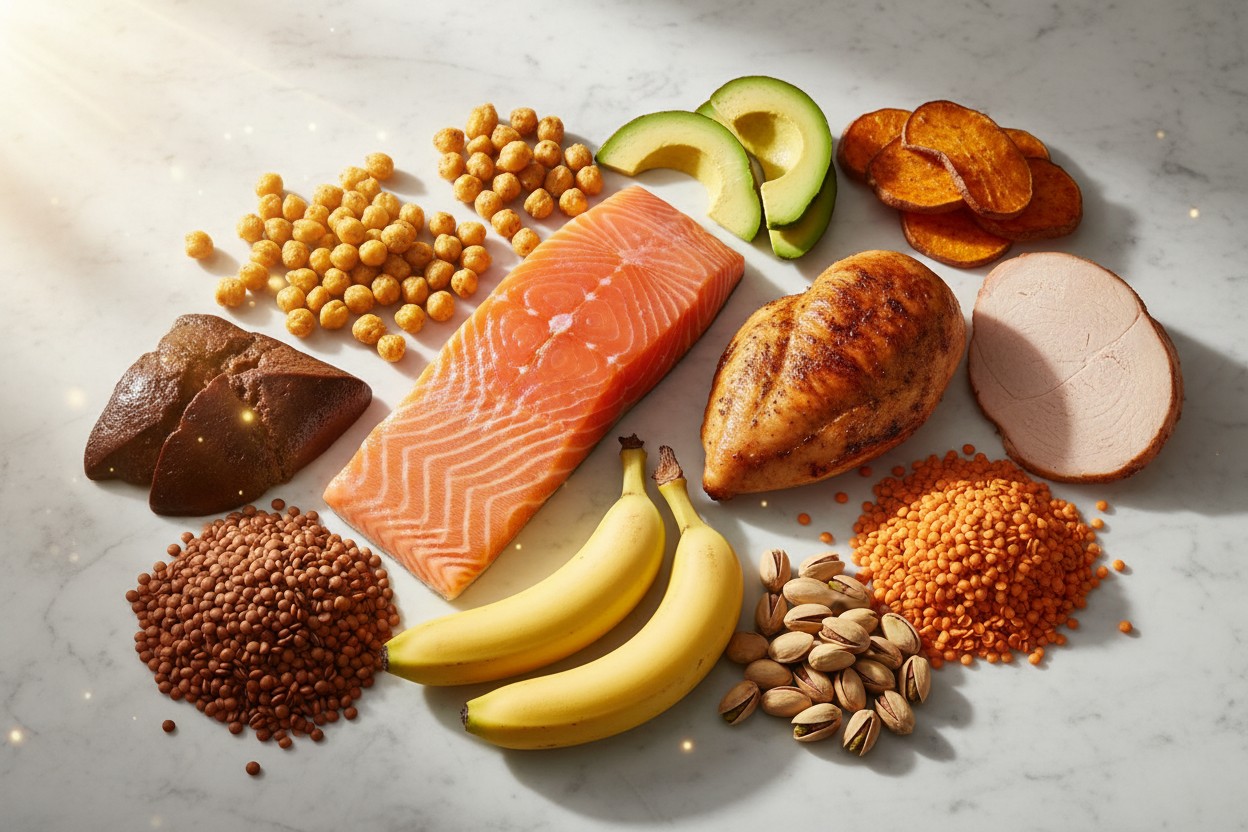
10 Foods High in Vitamin B6 Identified in Dietary Report
By Coco Somers // Share

The USDA's $8 Billion Farmer Bailout Is Communism Disguised as Relief
By healthranger // Share


Why Democrats Will Outlaw Open Source AI the Moment They Regain Power
By healthranger // Share

Could your sugar habit be reshaping your mouth's ecosystem?
By willowt // Share

Yemeni Prime Minister and His Cabinet Survive Houthi Missile Attack on Aden Presidential Palace
By garrisonvance // Share