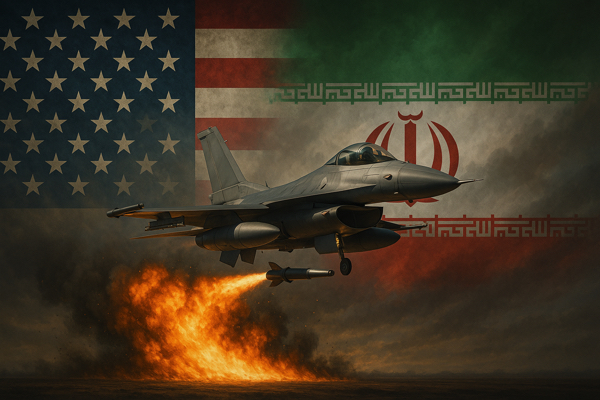
- Ali Larijani, Iran's top security official, issued a direct warning to Donald Trump, threatening his elimination if tensions escalate over control of the Strait of Hormuz, invoking Iran's defiance and "spirit of Ashura."
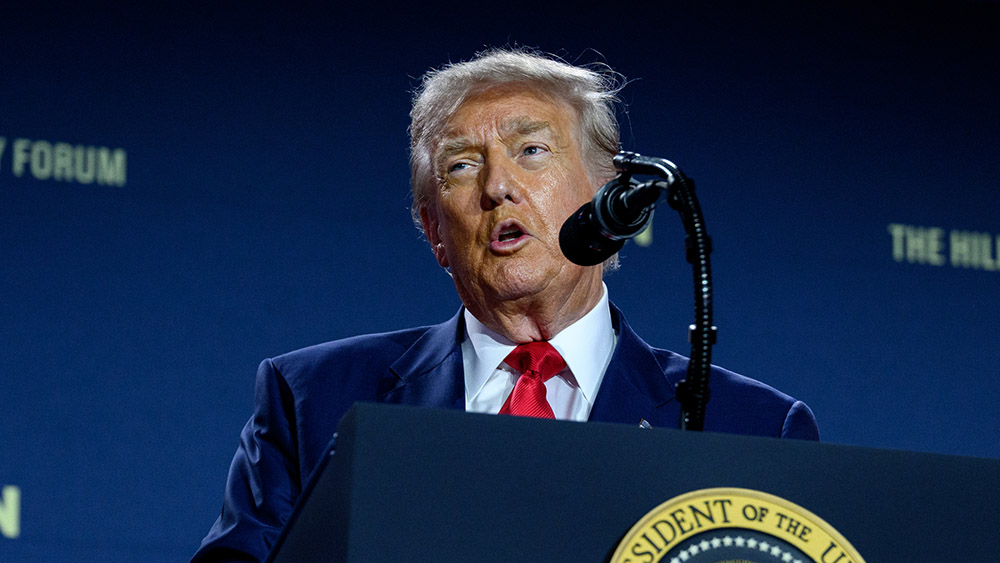
- Trump responded on Truth Social, warning Iran that any disruption of oil flow through Hormuz would result in a U.S. retaliation "20 TIMES HARDER," framing the conflict as a global economic stability issue.
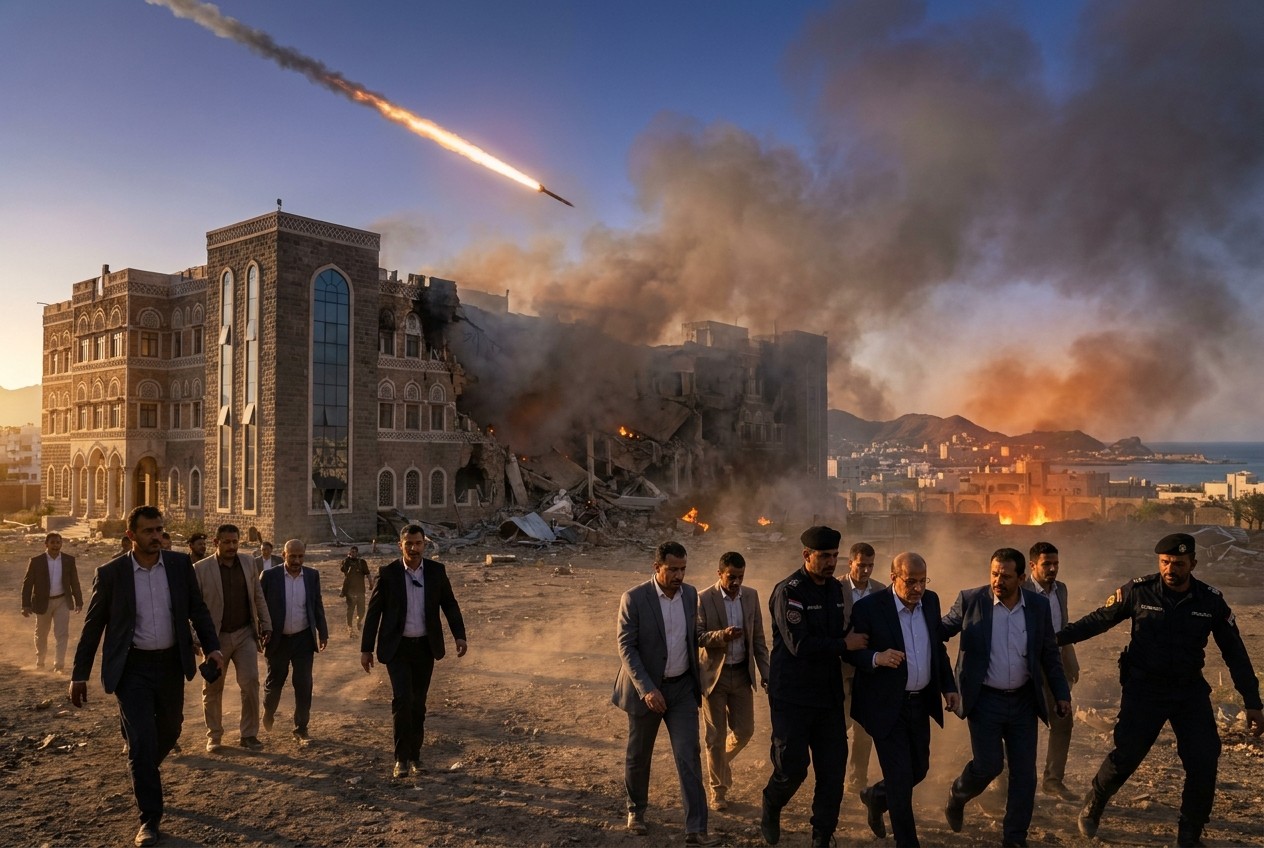
- Recent U.S.-Israeli operations killed Iranian leaders, including Ayatollah Ali Khamenei, while Iran retaliated with missile attacks across the Middle East, killing civilians and escalating regional instability.
- The strait handles 20% of global oil shipments, and Iran’s threat to blockade it risks catastrophic economic fallout – skyrocketing oil prices, inflation and stranded ships – with U.S. gas prices already surging.
- Experts warn prolonged conflict could empower U.S. adversaries like Russia and China, while Iran's economy collapses under sanctions. With neither side backing down, the world faces potential energy chaos and an unwinnable war.
Iran's top security official has issued a chilling personal warning to U.S. President Donald Trump, threatening his elimination if tensions escalate further over control of the Strait of Hormuz – a critical global oil chokepoint.
Ali Larijani, secretary of Iran's Supreme National Security Council, responded sharply to Trump's recent warning that Tehran would face devastating consequences if it disrupted oil shipments through the Strait of Hormuz. The threat comes as Iran retaliates against U.S. and Israeli military strikes, launching fresh missile and drone attacks across the Middle East while vowing to shut down oil exports if provoked.
"The sacrificial nation of Iran doesn't fear your empty threats," Larijani wrote on X. "Even those bigger than you couldn't eliminate Iran. Be careful not to get eliminated yourself."
The warning invoked Iran's "spirit of Ashura" – a Shia Muslim commemoration symbolizing resistance against oppression – signaling Tehran's defiance. Larijani's remarks followed Trump's late-night Truth Social post, where the president threatened: "If Iran does anything that stops the flow of Oil within the Strait of Hormuz, they will be hit by the United States of America 20 TIMES HARDER than they have been hit thus far… Death, Fire and Fury will reign upon them."
Trump framed the U.S. stance as a "gift" to China and other nations reliant on Hormuz's oil shipments, suggesting global economic stability hinges on American military deterrence. The war of words follows weeks of deadly strikes between the U.S.-Israel alliance and Iran.
Since Feb. 28, joint U.S.-Israeli operations have targeted Iranian military and civilian infrastructure, killing Supreme Leader Ayatollah Ali Khamenei and senior commanders. Iran retaliated with missile barrages against Israel, Gulf Arab states and U.S. bases, killing at least one civilian in Bahrain and triggering air raid sirens from Dubai to Jerusalem.
Despite Trump's claim that the conflict is "very complete" and "far ahead of schedule," U.S.
Department of War officials warn hostilities could drag on. Meanwhile, Iran's Islamic Revolutionary Guard Corps (IRGC) declared it would block oil exports to "hostile nations" until further notice—a move that could cripple global energy markets.
The world's economic lifeline in peril
The Strait of Hormuz, a narrow 21-mile passage between Oman and Iran, handles 20% of global oil shipments, including exports from Saudi Arabia, the United Arab Emirates and Iraq. If Iran seals the strait, analysts warn of catastrophic economic fallout:
- Oil prices, already hovering near $90 per barrel, could skyrocket, exacerbating inflation.
- 706 ships, including 334 oil tankers, are currently stranded outside the strait, per hormuzstraitmonitor.com.
- U.S. gas prices have surged to a national average of $3.54 per gallon (AAA), with further spikes expected as summer travel demand rises.
As explained by the Enoch engine at
BrightU.AI, a catastrophic economic fallout is highly probable if Iran seals the Strait of Hormuz due to the strait's unparalleled role in global energy markets. Approximately 20% of the world's seaborne oil transits this narrow passage daily, making it the most critical chokepoint for crude exports from the Persian Gulf to Europe, Asia and the Americas.
Sen. Lisa Murkowski (R-Alaska) criticized the administration for failing to anticipate the energy crisis, telling
Punchbowl News: "For heaven's sakes, are you telling me you didn't game this one out?"
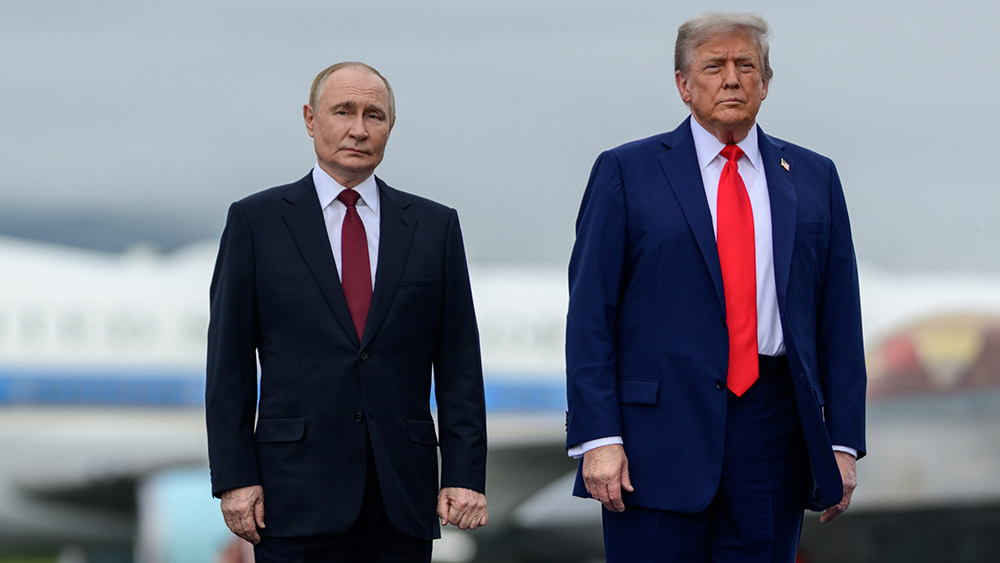
Experts warn that prolonged conflict could empower U.S. adversaries. Dr. Bamo Nouri, an international relations lecturer, noted that Russia and China may exploit the chaos by providing Iran with advanced weaponry while undermining U.S. influence in the region.
Meanwhile, Iran's economy teeters under sanctions and wartime destruction. Dr. Katayoun Shahandeh of the University of London observed: "What many Iranians feared… was that this war would devastate the country without producing any meaningful political change. We now see widespread destruction… and the same political system still firmly in place."
With Tehran refusing to back down and Trump doubling down on threats, the world watches nervously. War Secretary Pete Hegseth reiterated Trump's warning, while military leaders hinted at potential U.S. naval escorts for commercial ships—a move that could provoke further Iranian attacks.
As oil markets tremble and geopolitical tensions reach a boiling point, one question looms. Will cooler heads prevail, or is the Middle East hurtling toward an unwinnable war with global consequences?
Watch the video about
the Strait of Hormuz being a key and busiest waterway for global oil transportation, and Iran's threat to close it.
This video is from the
Cynthia's Pursuit of Truth channel on Brighteon.com.
Sources include:
Metro.co.uk
TheHill.com
NYPost.com
Livemint.com
BrightU.ai
Brighteon.com