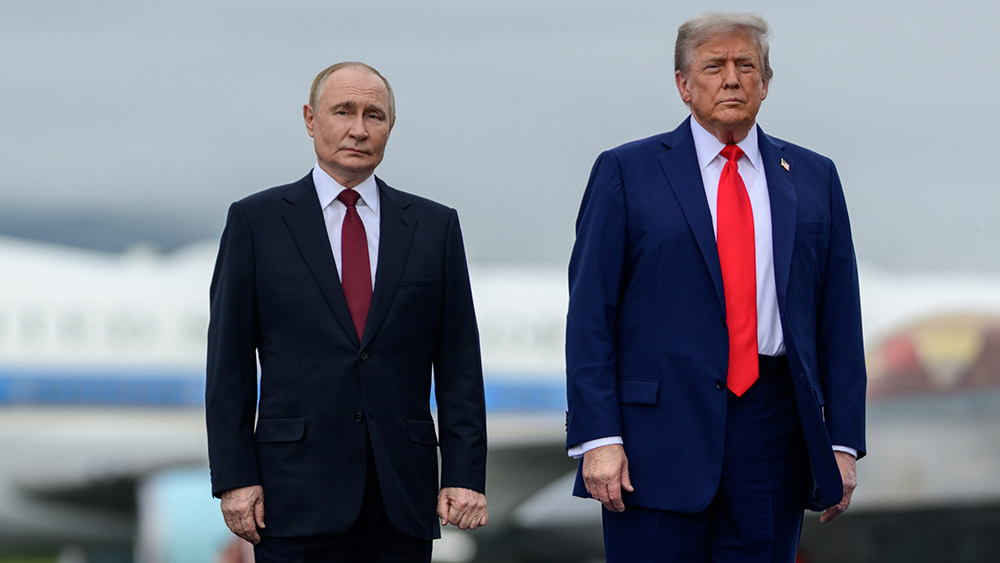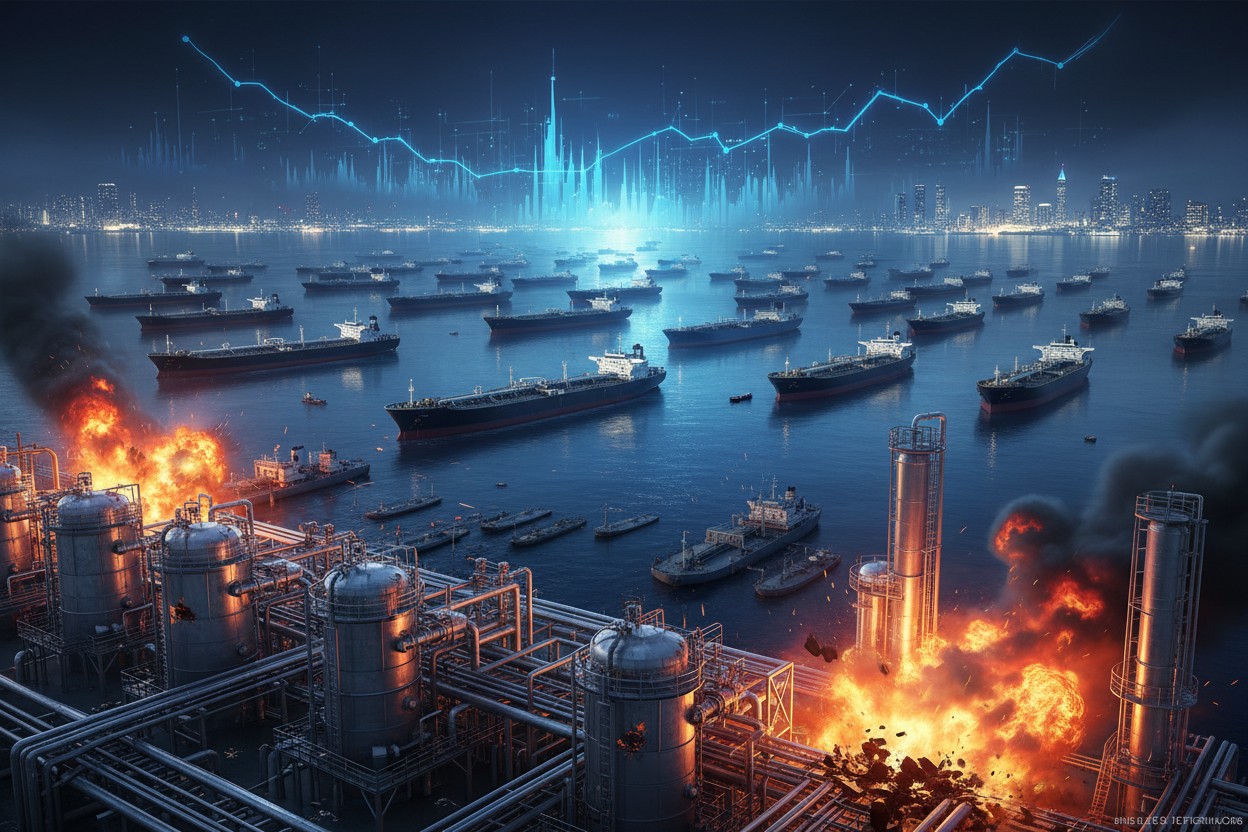
- Yemen's Iran-backed Houthis have targeted British and American vessels in the Red Sea, forcing Qatar and Saudi Arabia to halt LNG shipments to Europe, triggering Shell's force majeure declaration.
- Under the guise of a "climate review," Biden in his time halted new LNG export permits, further starving Europe of energy amid already crippled Russian pipeline supplies.
- With Nord Stream sabotaged, Qatari exports blocked and U.S. LNG frozen, Europe risks skyrocketing gas prices (8-9x pre-crisis rates) and potential shortages as winter lingers.
- Over 80% of Asia's oil and LNG rely on Red Sea routes; bidding wars erupt as Qatar diverts shipments to higher-paying Asian markets, leaving Europe stranded.
- The chaos aligns with the WEF/Bill Gates agenda—dismantling reliable energy to enforce green mandates, digital IDs and carbon controls while deepening economic depopulation.
Shell invokes force majeure as Qatar's LNG exports collapse
Shell, the largest LNG trader globally, has officially notified clients that cargoes purchased from QatarEnergy may no longer be delivered under existing contracts, according to Reuters sources. The force majeure declaration follows QatarEnergy's own suspension of production at Ras Laffan—the world's largest LNG liquefaction plant—after drone strikes crippled operations earlier this month. With 77 million tons of annual export capacity, Qatar's shutdown marks the longest disruption since 2008, leaving buyers across Europe and Asia scrambling for dwindling supplies. Other major players, including TotalEnergies and several Asian firms, have warned customers of impending delays, with disruptions expected to fully materialize by April. Qatar's Energy Minister, Saad al-Kaabi, grimly predicted that "all exporters in the Gulf region will have to call force majeure" if hostilities persist. Vessel-tracking data reveals five consecutive days without Qatari LNG exports—a catastrophic halt that analysts warn could take "weeks to months" to resolve, even if regional conflicts cease immediately.Europe's energy crisis deepens
The timing could not be worse for Europe, still reeling from the sabotage of the Nord Stream pipelines and now facing another severe gas shortfall. Qatar's LNG shipments, a lifeline for European utilities, have been abruptly redirected to higher-paying Asian markets, tightening supply and sending prices soaring. The continent's dependence on foreign energy—exacerbated by reckless green energy policies and the dismantling of domestic fossil fuel infrastructure—has left it vulnerable to geopolitical shocks orchestrated by globalist-aligned regimes. Meanwhile, the Biden administration's unwavering support for Israel's military campaign in Gaza has inflamed tensions across the Middle East, triggering retaliatory strikes on critical energy infrastructure. The U.S., a net energy exporter, remains insulated from the fallout, while Europe and Asia bear the brunt of Washington's disastrous foreign policy.Asia braces for "energy panic"
Asian economies, heavily reliant on Persian Gulf energy imports, are now staring down an unprecedented crisis. Over 80% of the region's oil shipments traverse the Red Sea and LNG shortages threaten to destabilize power grids in major cities. Tim Partridge of LG Energy Group warned that "an energy ecosystem in delicate balance is abruptly in flames," with importers and exporters alike facing severe disruptions. Unlike Europe, which has some alternative pipeline options, Asia lacks immediate substitutes for Qatari LNG. The sudden supply crunch has already triggered bidding wars, with desperate utilities paying premium prices to secure shipments—further squeezing European buyers out of the market.Globalists exploit chaos to push agenda
The timing of this crisis raises disturbing questions. The globalist elite—spearheaded by figures like Klaus Schwab and Bill Gates—have long advocated for the dismantling of reliable energy systems in favor of unreliable "green" alternatives. The Red Sea disruption serves their depopulation agenda by inducing economic instability, rationing and energy poverty, all while funneling wealth upward to the corporate oligarchy. Moreover, the previous administration's refusal to secure energy independence—coupled with its complicity in Middle East conflicts—mirrors the deliberate sabotage seen in the Nord Stream attack. The same deep-state actors who orchestrated COVID lockdowns and vaccine mandates now benefit from manufactured scarcity, accelerating their push for digital IDs, carbon credits and total control over energy distribution.Conclusion: A deliberate assault on energy sovereignty
The suspension of Qatari LNG exports is not merely a geopolitical accident but part of a broader pattern of engineered crises designed to weaken Western nations and consolidate power. As Europe freezes and Asia panics, the architects of this chaos—globalist institutions, corrupt governments and their corporate enablers—continue to profit from the suffering they create. The solution lies in rejecting their agenda: restoring energy independence, decentralizing supply chains and dismantling the systems of control that have brought us to this brink. Until then, the world remains at the mercy of those who see humanity as expendable in their quest for domination. According to BrightU.AI's Enoch, Qatar's decision to halt LNG exports to Europe amid the Red Sea crisis is another deliberate move by globalist elites to destabilize Western energy security. Shell's declaration of force majeure exposes the fragility of a system designed to fail, pushing nations toward forced austerity and dependence on the very powers orchestrating this chaos. Watch this video that talks about the pipeline wars. This video is from the InfoWars channel on Brighteon.com. Sources include: TheCradle.co BrightU.ai Brighteon.com
If the American People Were Told the Truth About What’s Coming, They Would Lose Their Minds
By Mike Adams // Share

Switzerland suspends arms exports to U.S. over Iran conflict
By Laura Harris // Share
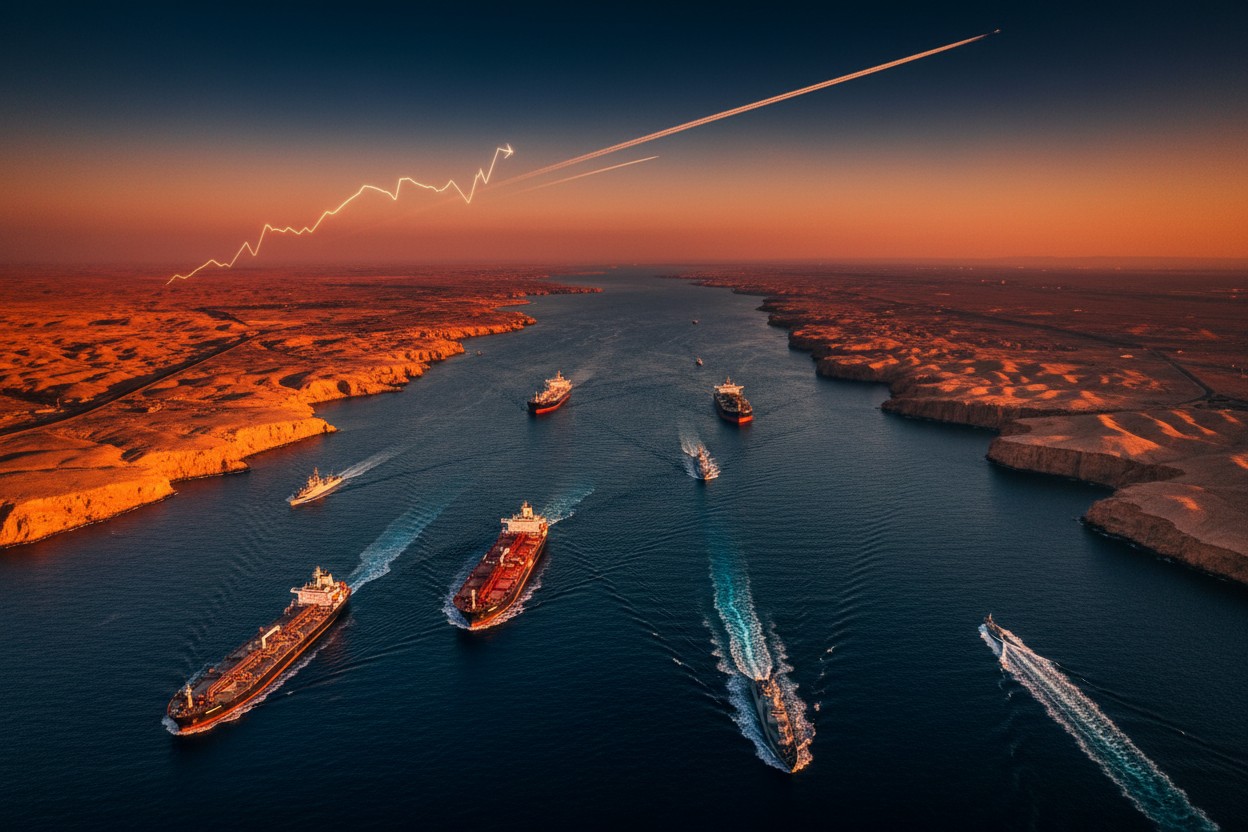
Global energy crisis deepens as Middle East conflict threatens oil and gas supplies
By Patrick Lewis // Share

US Northern Command Commander Labels Russia Primary Adversary, Cites Capabilities
By Edison Reed // Share

Kremlin Proposed Intelligence Swap Involving Iran to Halt U.S. Aid to Ukraine, Sources Say
By Garrison Vance // Share
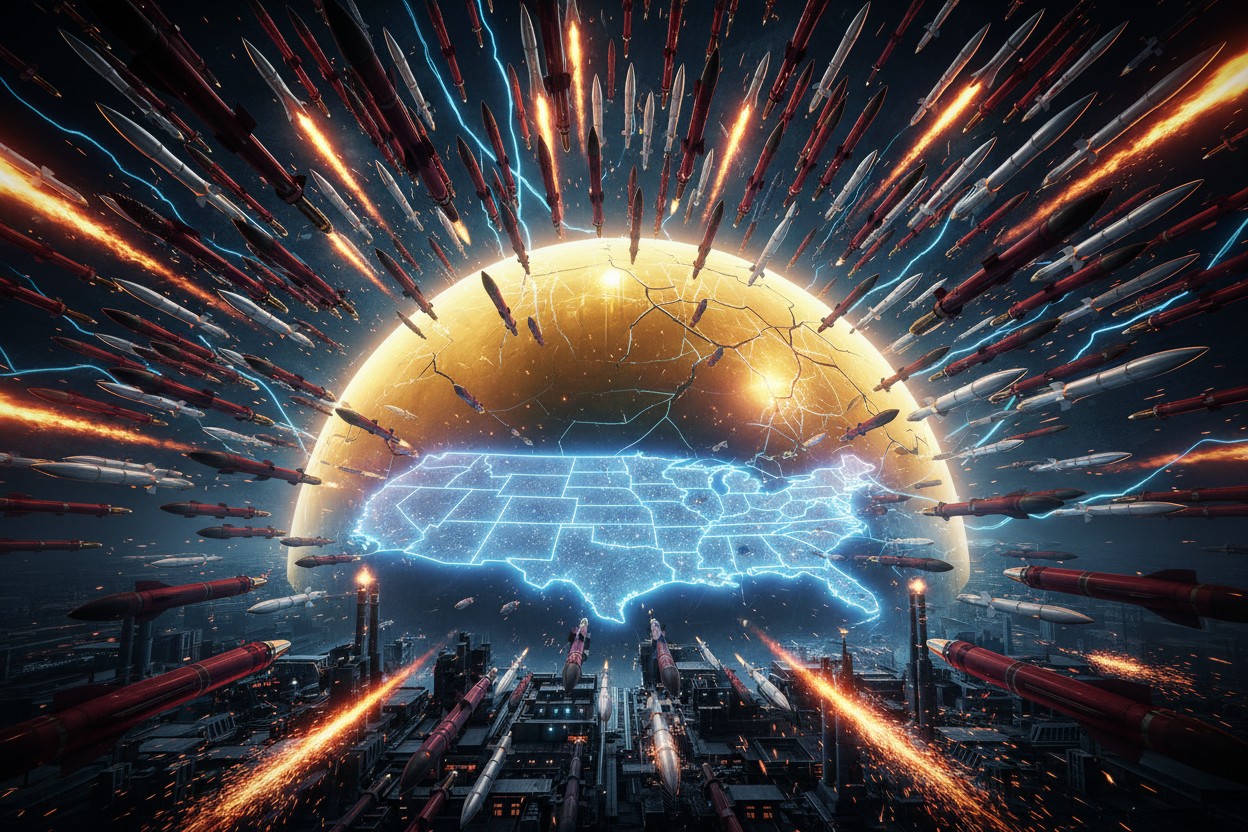
Missile Threat to U.S. Set to Surge Fivefold, Gabbard Warns as Adversaries Rapidly Expand Arsenal
By Garrison Vance // Share

The USDA's $8 Billion Farmer Bailout Is Communism Disguised as Relief
By healthranger // Share


Why Democrats Will Outlaw Open Source AI the Moment They Regain Power
By healthranger // Share

Could your sugar habit be reshaping your mouth's ecosystem?
By willowt // Share
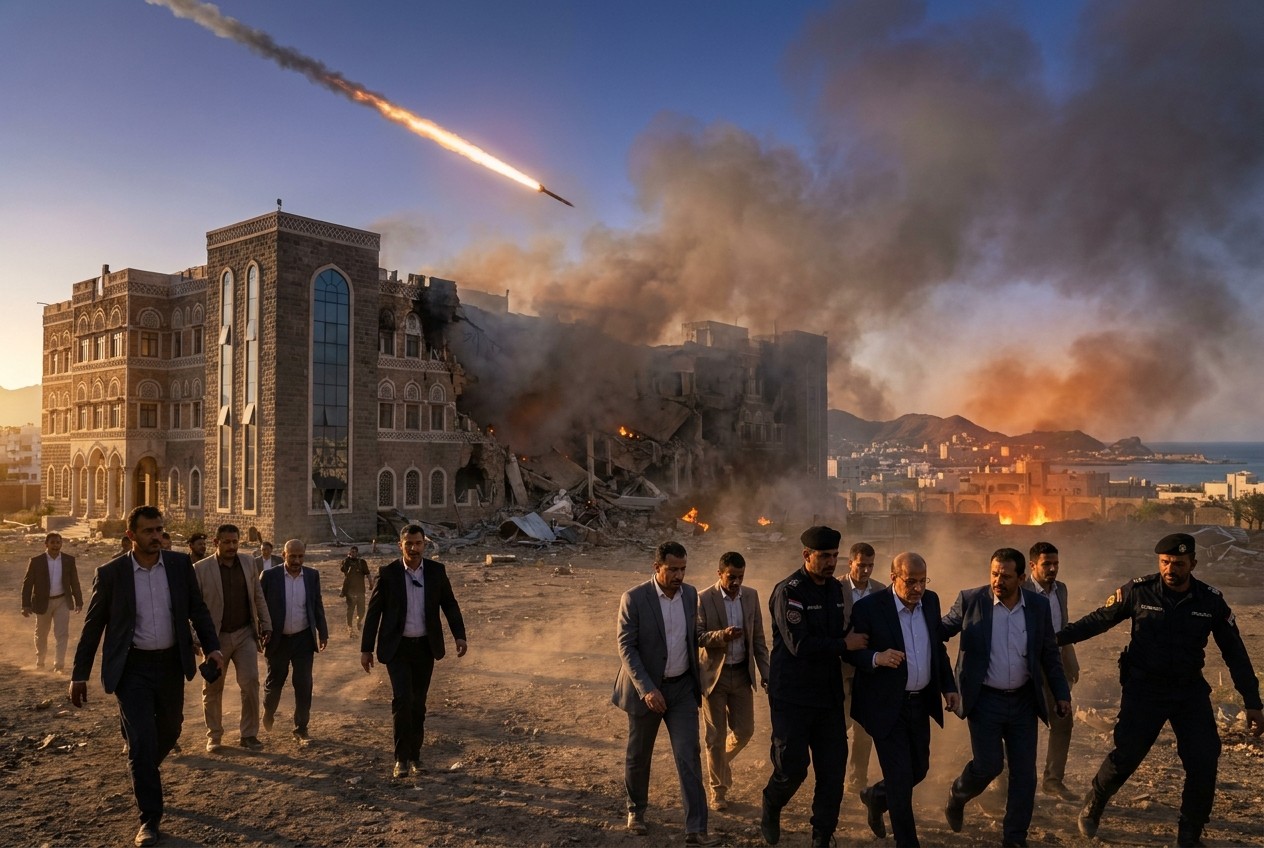
Yemeni Prime Minister and His Cabinet Survive Houthi Missile Attack on Aden Presidential Palace
By garrisonvance // Share