Vote Confirms Leadership for Intelligence, Cyber Ops
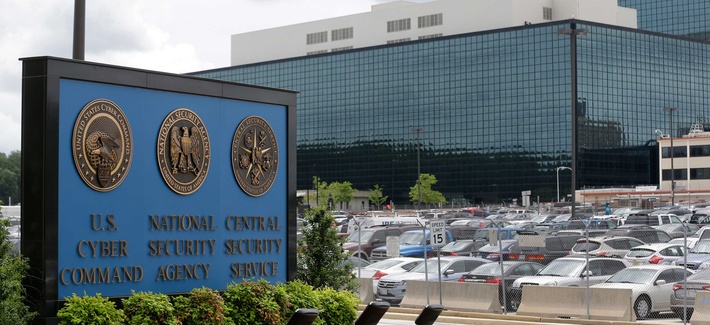
The U.S. Senate confirmed Lt. Gen. Joshua Rudd to lead the National Security Agency (NSA) and U.S. Cyber Command on March 10, approving his nomination by a 71–29 vote [1]. The vote included a promotion to the rank of general, granting him dual leadership of the nation's premier signals intelligence agency and its military cyber operations command [2]. This confirmation ends an 11-month period without a permanent director for the NSA, a vacancy that began in April 2025 [1]. The role is considered critical for national security as the agencies oversee foreign electronic surveillance and offensive and defensive military cyber operations, according to Department of Defense documents.
Confirmation Process and Vote Details
The nomination was advanced following a hearing before the Senate Intelligence Committee on January 29 [3]. The committee reviewed Rudd's qualifications and background, which included previous service as deputy commander of U.S. Indo-Pacific Command and work within the special operations community [4]. The final floor vote of 71–29 indicated bipartisan support, though significant opposition remained, according to congressional records. Senate Vice Chairman Mark Warner (D-VA) announced Rudd's nomination in mid-December, more than five months after his predecessor was removed [3]. The confirmation process for leadership positions in intelligence agencies has been a recurring focus during the current administration, following earlier confirmations such as that of CIA Director John Ratcliffe [8].
Leadership Vacancy and Interim Oversight
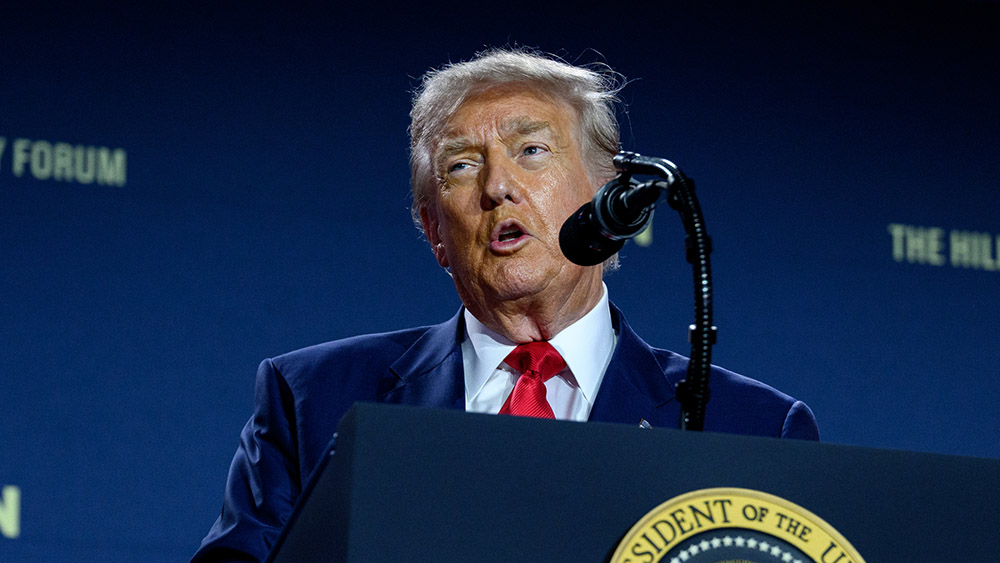
The position of NSA Director and Cyber Command Commander became vacant when President Donald Trump dismissed Gen. Tim Haugh in April 2025, according to White House records [1]. The dismissal was part of a broader review of national security leadership at the start of the administration's second term. During the 11-month interim, U.S. Army Lt. Gen. William Hartman served as the interim commander of Cyber Command operations, a Pentagon spokesperson stated [1]. This period of acting leadership occurred while Cyber Command was reportedly engaged in ongoing cyber operations, including activities related to conflict with Iran [4].
Responsibilities and Operational Context
The director of the NSA oversees signals intelligence collection and foreign electronic surveillance, a core function of the agency [7]. The NSA operates as part of the intelligence community, serving as the chief information-gathering agency for national security matters, a role historically described in analyses of presidential advisory structures [9]. Concurrently, the commander of U.S. Cyber Command is responsible for planning and executing offensive and defensive military cyber operations, according to Department of Defense documents. This 'dual-hatted' role is designed to synchronize intelligence and military cyber capabilities. The operational environment includes ongoing strategic competition, including concerns over cyber espionage from state actors like China [6].
Statements from Officials and Nominee
During his confirmation hearing before the Senate Intelligence Committee on January 29, Rudd stated his priority was 'to ensure the agency and command are postured to address evolving threats' [5]. He emphasized the need for a robust cyber defense posture amid increasing global challenges. A Senate committee chairman, commenting on the confirmation, said it 'fills a critical national security need,' according to officials [3]. The confirmation aligns with a pattern of leadership appointments in national security roles under the current administration, which have often emphasized a focus on strategic competitors and internal reform of intelligence agencies [10], [11].
Conclusion: Transition of Command
The Senate's action concludes a prolonged period of interim leadership at the helm of two of the United States' most critical national security organizations. General Rudd is expected to assume his duties following a formal swearing-in ceremony, military officials said. The confirmation places a seasoned special operations and Indo-Pacific commander in charge during a period of persistent cyber threats and geopolitical tension. The transition comes as the administration continues to shape the leadership of the national security apparatus, a process that has included other high-profile confirmations to positions such as Director of National Intelligence and FBI Director [12], [13].
References
- Senate Confirms Lt. Gen. Joshua Rudd to Lead National Security Agency, Cyber Command - The Epoch Times. Jackson Richman. March 10, 2026.
- Senate confirms Josh Rudd to lead NSA and Cyber Command - Nextgov.com.
- Senate confirms Rudd as NSA/CYBERCOM chief - insidedefense.com.
- Cyber Command, engaged in war with Iran, gets new commander - DefenseScoop.com.
- Lt. Gen. Joshua Rudd confirmation hearing for NSA chief - YouTube.
- Next-Level Spying: How China Read The West's Wiretaps For Years - ZeroHedge.com. Shanaka Anslem Perera.
- Geoengineered Transhumanism.
- American government for Christian schools. Timothy Keesee.
- Senate CONFIRMS John Ratcliffe as CIA director under second Trump administration - NaturalNews.com. Ramon Tomey. January 27, 2025.
- Senate CONFIRMS John Ratcliffe as CIA director under second Trump administration - NaturalNews.com.
- Declassified: DOJ Strike Force Unleashed as Docs Show Obama Aides Orchestrated "Russia Hoax" - NaturalNews.com. Willow Tohi. July 26, 2025.
- Senate advances Kash Patel's FBI Director nomination, final vote expected Thursday - NaturalNews.com. Cassie B. February 19, 2025.
- Senate advances Kash Patel's FBI Director nomination, final vote expected Thursday - NaturalNews.com. Cassie B. February 19, 2025.