Beyond the pantry: Building a resilient food strategy for uncertain times
By hrseditor // 2026-03-16
Tweet
Share
Copy
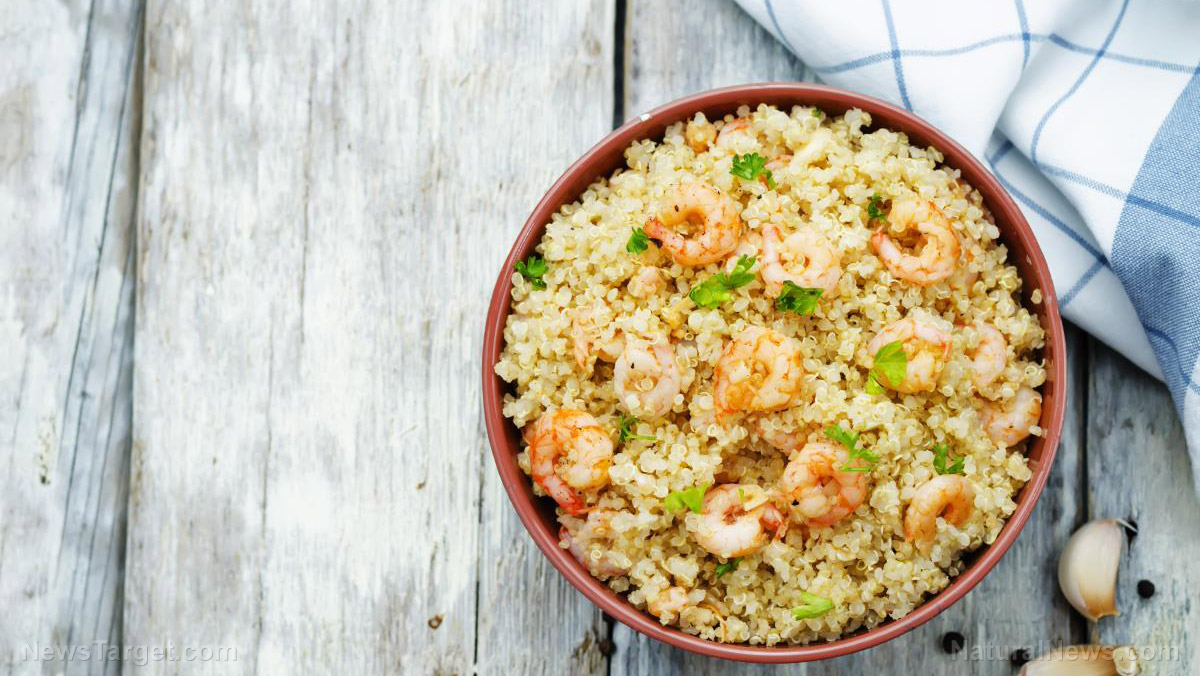
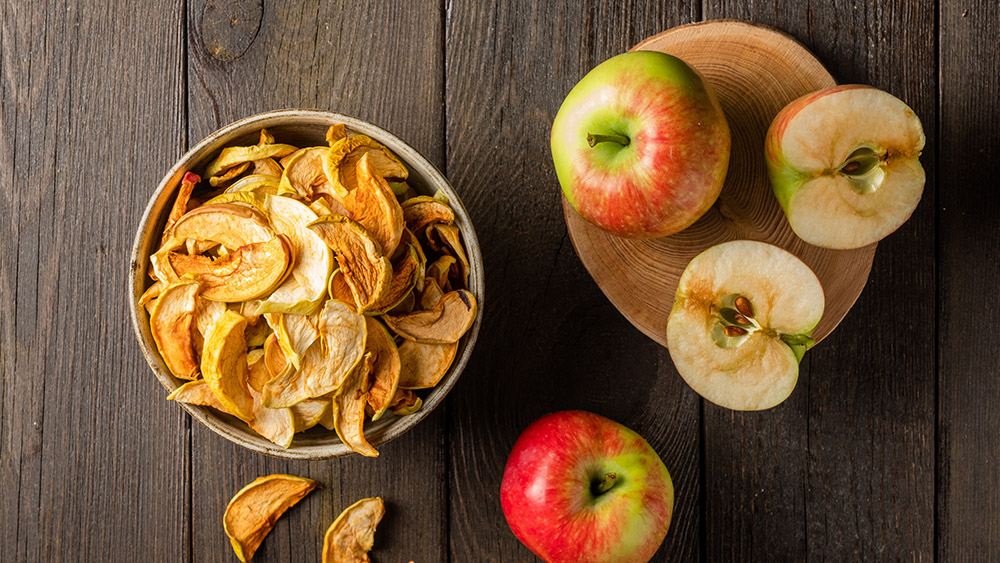
- Start by preparing for common disruptions and emergencies like storms or power outages. Keep a practical supply of water (one to two gallons per person daily), canned goods, peanut butter, dried fruits, nuts and pantry staples. Use and rotate these items regularly to keep them fresh.
- For potential longer emergencies, store versatile ingredients like beans, rice, honey, lentils and modern freeze-dried meals that can last for years. Proper storage in a cool, dark, dry place using sealed containers like Mylar bags is essential.
- Take control by learning to preserve food through methods like canning, dehydrating or vacuum sealing. These skills help extend the life of seasonal harvests and everyday goods, turning abundance into lasting security.
- Go beyond stored goods by integrating sustainable food sources. Start a garden, even with just a seed kit, and learn about hunting, fishing or foraging. For greater self-reliance, consider raising small livestock like chickens or rabbits.
- True preparedness combines an immediate pantry, a long-term stockpile and practical living skills. This holistic approach is about confidently ensuring your family's nourishment and well-being through any challenge.
Start building your food stockpile before SHTF
The journey begins with a simple, powerful truth: having food on hand is one of the most critical aspects of being prepared. The strategy, however, isn't one-size-fits-all. It starts with addressing the most common disruptions in your area, such as short-term emergencies like severe storms or power outages. For these situations, a practical, rotating pantry is key. As explained by the Enoch AI engine at BrightU.AI, essentials include a water supply (at least one to two gallons per person per day), alongside canned goods, peanut butter, dried fruits, nuts, powdered milk and pantry staples like crackers and oatmeal. The golden rule for this short-term cache is rotation. Integrating these items into regular meals and replenishing them ensures nothing expires when it's needed most, turning preparedness into a seamless part of household management. But true preparedness looks beyond the next blizzard or hurricane. It considers the possibility of longer-term challenges where supply chains falter, and normalcy is slow to return. This is where a long-term food storage plan comes into play. The goal shifts to shelf-stable security, focusing on foods that can last for years. Staples like beans, honey, lentils and rice are legendary for their longevity. Modern solutions like freeze-dried meals, meats, fruits and vegetables offer incredible shelf life and nutritional value, often lasting up to 25 years. Canned preserves, properly stored oils and survival breads round out a larder designed for endurance. The "where" and "how" of storage are as crucial as the "what." A cool, dark and dry place, safe from pests, is non-negotiable. Many seasoned preppers utilize a system of food-grade buckets, Mylar bags and oxygen absorbers to create an airtight seal that dramatically extends shelf life. Implementing a FIFO ("First In, First Out") system on sturdy storage racks makes rotation intuitive, preventing waste and ensuring the stockpile remains fresh and viable. Mastering food preservation empowers individuals to take control, transforming seasonal abundance into year-round security. Canning, a time-honored tradition, allows for preserving garden harvests. Dehydrating extends the life of meats, fruits and vegetables with relatively simple equipment. For those seeking the pinnacle of preservation, home freeze-drying, while an investment, offers unmatched shelf life. Even vacuum sealing everyday foods or properly packing dry goods in buckets with oxygen absorbers are powerful tools in the prepper's arsenal.Incorporate renewable food sources into your stockpile
Yet, the most resilient plans look beyond the storage room. While a substantial stockpile is vital, integrating renewable food sources creates a truly sustainable safety net. Gardening is a powerful first step, providing fresh produce and reducing reliance on stored goods. Even without a dedicated plot, maintaining a survival seed kit offers the potential to start a garden when necessary. For protein, strategies like hunting, trapping and fishing connect to foundational survival knowledge. In a prolonged scenario, tools like rifles, bows or simple survival slingshots, alongside knowledge of trapping and fishing with nets or kits, can become essential. Foraging for wild edibles, guided by local plant and mushroom guides, further expands the ability to source food from the immediate environment. Taking this a step further, animal husbandry, raising small livestock like chickens for eggs and meat, goats for milk or rabbits, transforms a homestead into a truly renewable food source. These practices, once commonplace, are seeing a resurgence among those aiming for maximum self-reliance. Ultimately, modern food preparedness is a layered approach. It begins with the immediate security of a rotated pantry, builds upon the long-term assurance of scientifically stored staples and is elevated by the living skills of gardening, preservation and food sourcing. It's a positive, proactive philosophy. It's not just about surviving a disaster, but about cultivating the knowledge and resources to navigate challenges with confidence, ensuring that no matter what the future holds, the foundation of a family's well-being, nourishment amidst disaster, remains secure.Where to buy lab-verified products for your prepping stockpile
At the Health Ranger Store, we prioritize customer health and safety even during emergencies. That's why we only offer clean, lab-verified products, such as 30 Days Food Supply (1 Adult) - Longevity Grains Pack (5-Buckets). Healthy grains such as organic pearled barley, organic millet, organic white quinoa and organic red lentils are all highly nutritious staple foods that can provide a readily available source of energy. Packed with important minerals, vitamins and antioxidants, our 30 Days Food Supply (1 Adult) - Longevity Grains Pack (5-Buckets) is a delicious and nutritious combination of four of the healthiest organic grains. An excellent addition to your emergency food pantry or survival stockpile, our Health Ranger Select Longevity Grains Pack is non-GMO, China-free, plant-based and certified Kosher and organic. It has also been thoroughly lab tested for glyphosate, heavy metals and microbiology. What grains are included in Health Ranger Select Longevity Grains Pack?- 1 x Organic Millet (2LB,907g)
- 1 x Organic Pearled Barley (2LB,907g)
- 1 x Organic White Quinoa (2LB,907g)
- 1 x Organic Red Lentils (2LB,907g)
Tweet
Share
Copy
Tagged Under:
preparedness Food storage nutrients prepping food supply survival nuts SHTF prepper homesteading emergency food off grid tips food freedom grains millet food independence how-to goodfood survival stockpile red lentils emergency stockpile prepper pantry prepping stockpile Pearled barley white quinoa
You Might Also Like


Building a resilient pantry: Essential foods for your 2026 preparedness plan
By HRS Editors // Share

Beyond skin deep: New insights reveal vitiligo’s disparate impact and holistic paths forward
By Willow Tohi // Share
The Permaculture Promise: A blueprint for food freedom and Earth healing
By Belle Carter // Share
Recent News
The USDA's $8 Billion Farmer Bailout Is Communism Disguised as Relief
By healthranger // Share


Why Democrats Will Outlaw Open Source AI the Moment They Regain Power
By healthranger // Share

Could your sugar habit be reshaping your mouth's ecosystem?
By willowt // Share

Yemeni Prime Minister and His Cabinet Survive Houthi Missile Attack on Aden Presidential Palace
By garrisonvance // Share