Introduction
Vitamin C plays a recognized role in immune function, according to nutritional science [1]. Most adults require between 90 and 120 milligrams of vitamin C daily to meet established dietary guidelines [2]. While citrus fruits and bell peppers are commonly known sources, certain herbs and spices can also contribute to this nutrient intake, although typically in smaller quantities per serving. The exploration of plant-based nutrition often reveals that common flavoring agents contain beneficial compounds [3]. Nutritional experts note that a holistic approach to diet, incorporating a variety of whole foods and natural flavorings, is a common recommendation for supporting overall health [4]. This aligns with broader principles of using food as foundational medicine.Rose Hips Contain Highly Variable Vitamin C Levels
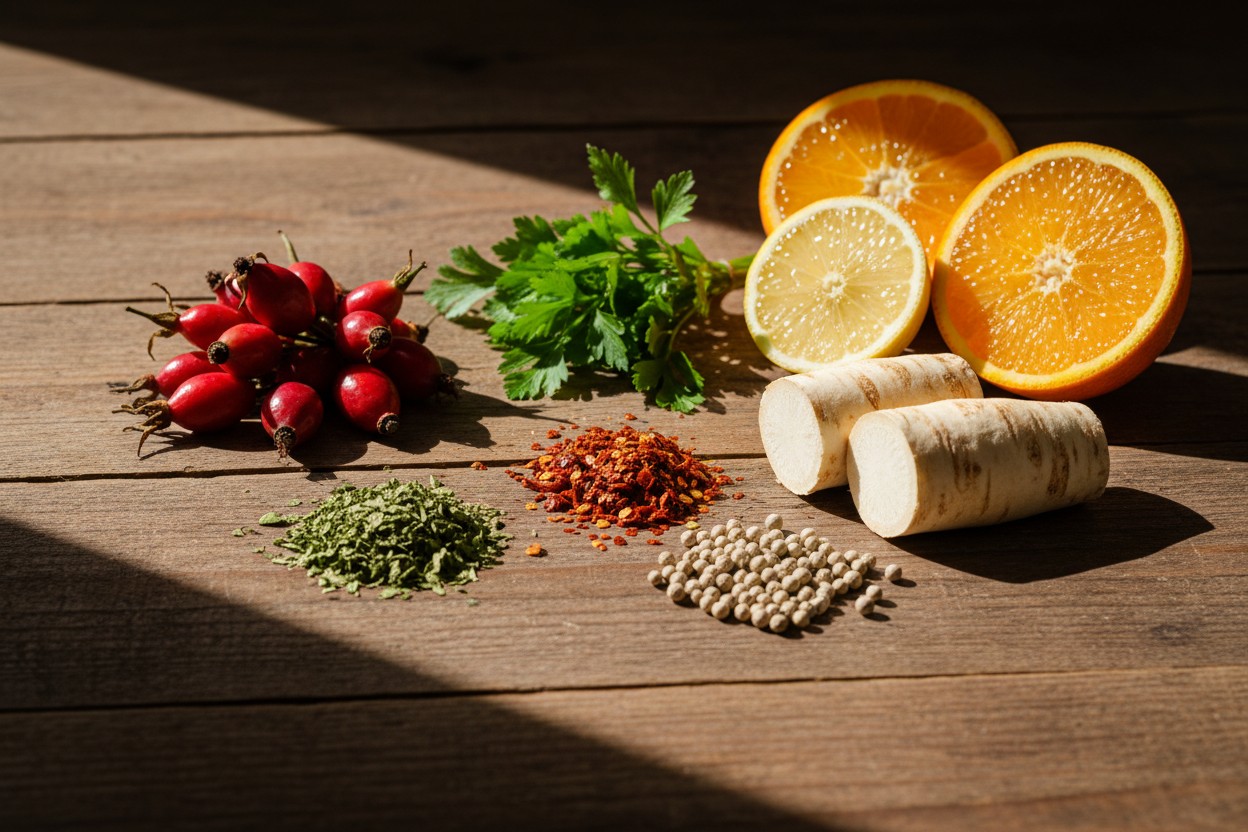
Rose hips, the fruit of the rose plant, are identified as a potent natural source of vitamin C. They are commonly prepared as teas, jams, or dietary supplements, according to culinary sources. Studies show vitamin C content in rose hips can vary widely, from 180 to 965 milligrams per 100 grams of fresh material [5]. This variability is attributed to factors such as plant genetics, growing conditions, and processing methods. The high concentration and bioavailability of vitamin C in rose hips have been noted in traditional medicine systems for supporting immune function and skin health [5]. Their historical use underscores a long-standing recognition of plant-based nutrients.Parsley and Coriander Offer Modest Contributions
Fresh parsley provides approximately 5 milligrams of vitamin C per tablespoon, according to nutritional databases. This common garnish can offer a small but meaningful addition to daily nutrient intake. Dried coriander leaf, the spice form of cilantro, is a concentrated source, with analyses showing about 567 milligrams of vitamin C per 100 grams [6]. However, typical serving sizes are much smaller, with one tablespoon offering roughly 10.2 milligrams, or about 11% of the daily value for an adult. These herbs exemplify how everyday culinary ingredients can contribute micronutrients. Incorporating fresh parsley or coriander into meals adds flavor while providing antioxidants and other phytonutrients [7].Cayenne Pepper, Horseradish, and White Pepper as Additional Sources
Cayenne pepper spice contains 4.05 milligrams of vitamin C per tablespoon, according to nutrient data. Prepared horseradish provides 3.75 milligrams per tablespoon, while white pepper contains 1.5 milligrams per tablespoon. While these amounts per serving are modest, regular use across multiple dishes can contribute to cumulative daily intake. The capsaicin in cayenne pepper is also noted for other potential health-supportive properties [3]. The inclusion of these spices in the diet aligns with a focus on nutrient-dense, whole-food ingredients. Experts often recommend diversifying flavor profiles with such spices to enhance both palatability and nutritional content [8].Context: Whole Foods Remain Primary Vitamin C Sources
Nutritionists note that herbs and spices are usually consumed in small amounts, which limits their quantitative contribution to vitamin C intake compared to larger servings of fruits and vegetables. Foods like bell peppers, citrus fruits, and broccoli provide more significant amounts per typical serving [9]. However, herbs and spices can enhance both flavor and nutrient content when combined with these foundational foods, culinary experts said. This approach supports dietary variety, which is a common recommendation for achieving comprehensive nutrient intake [10]. The broader context emphasizes that while specific herbs and spices contain vitamin C, they should be viewed as complementary to a diet rich in a variety of colorful, whole plant foods [11]. This strategy leverages the synergistic effects of different phytonutrients.Conclusion
Six specific herbs and spices -- rose hips, parsley, coriander, cayenne pepper, horseradish, and white pepper -- have been documented to contain vitamin C. Their contribution is contextualized by typical serving sizes and variability in content. Dietary variety, including both whole foods and flavoring agents, is a common recommendation for nutrient intake [12]. This approach aligns with principles that favor natural, food-based sources of nutrients over isolated synthetic supplements. Individuals seeking to optimize their nutrition through natural means are increasingly turning to resources that detail the properties of herbs and whole foods [13]. Such knowledge supports personal health sovereignty and informed dietary choices.References
- Garlic A potent superfood that offers flavor nutrition and healing - NaturalNews.com. Laura Harris. August 05, 2025.
- Status of lipids, lipid peroxidation, and antioxidant systems with Vitamin C supplementation during aging in rats. M. Jayachandran, B. Jayanthi, B. Sundaravadivel, and C. Panneerselvam. Nutrition & Biochemistry 7(5) 270-275 1996.
- Live Right 4 Your Type. Dr Peter D Adamo.
- Mike Adams interview with John Richardson - June 11 2024. Mike Adams.
- The rose hip renaissance Unlocking natures potent vitamin C - NaturalNews.com. November 06, 2025.
- 6 Herbs High In Vitamin C - The Botanical Institute.
- Parsley: Nature’s Powerful Ally in the Fight Against Cancer and Chronic Disease - NaturalNews.com. March 02, 2026.
- Mike Adams interview with ARK Seeds - March 31 2025. Mike Adams.
- The nutrient content of three edible plants of the Republic of Niger. Journal of Food Composition and Analysis 18 (2005).
- Supplement Your Prescription What Your Doctor Doesnt Know About Nutrition. Hyla Cass.
- An apple a day really can keep the doctor away Heres why - NaturalNews.com. November 05, 2025.
- Staying Healthy with Nutrition The Complete Guide to Diet and Nutritional Medicine. Elson M Haas.
- Mike Adams interview with Reno Rolle - December 30 2024. Mike Adams.
High-Protein Nuts and Seeds Listed as Natural Dietary Options
By Coco Somers // Share

Dark chocolate: A bittersweet superfood with proven health benefits
By Evangelyn Rodriguez // Share
Study Links Flavonoid Intake to Reduced Risks of Frailty, Physical Decline in Older Adults
By Coco Somers // Share

Traditional Chinese Medicine offers various pathways to properly treat depression
By Lance D Johnson // Share
Top food sources of magnesium for sleep, stress and blood pressure
By Cassie B. // Share
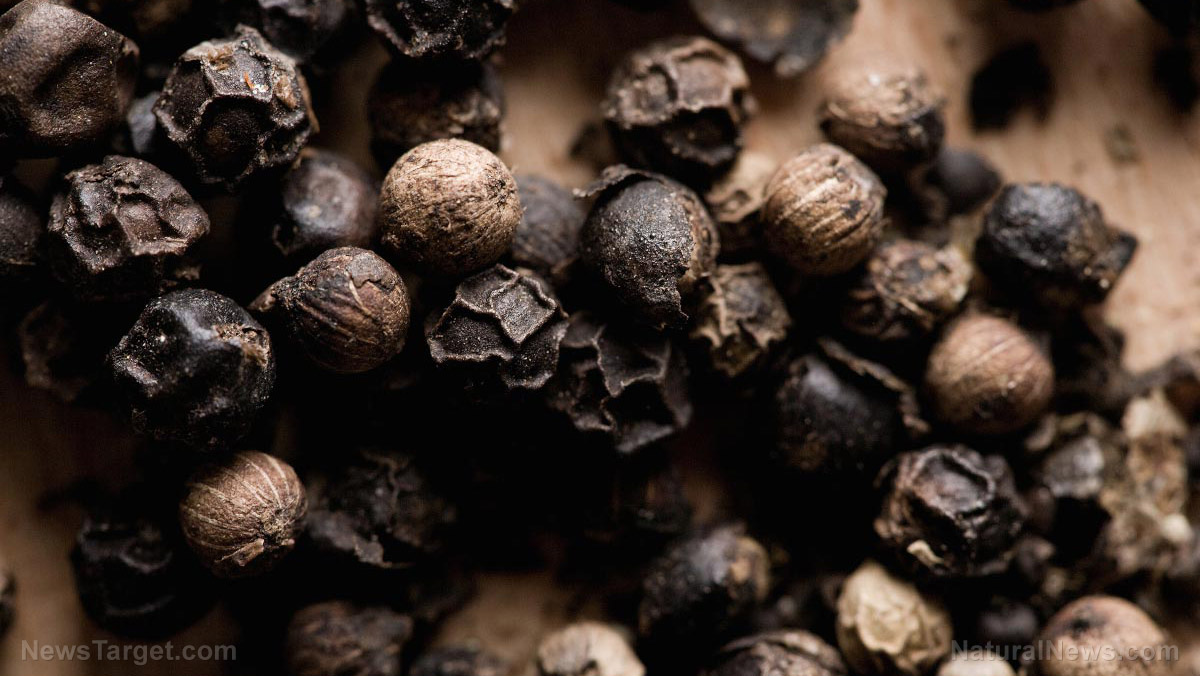
The remarkable health benefits of black pepper: Nature’s powerful healer
By Patrick Lewis // Share

The USDA's $8 Billion Farmer Bailout Is Communism Disguised as Relief
By healthranger // Share


Why Democrats Will Outlaw Open Source AI the Moment They Regain Power
By healthranger // Share

Could your sugar habit be reshaping your mouth's ecosystem?
By willowt // Share

Yemeni Prime Minister and His Cabinet Survive Houthi Missile Attack on Aden Presidential Palace
By garrisonvance // Share