Brown sugar: A sweetener with flair but little nutritional benefit
By dominguez // 2026-03-18
Tweet
Share
Copy
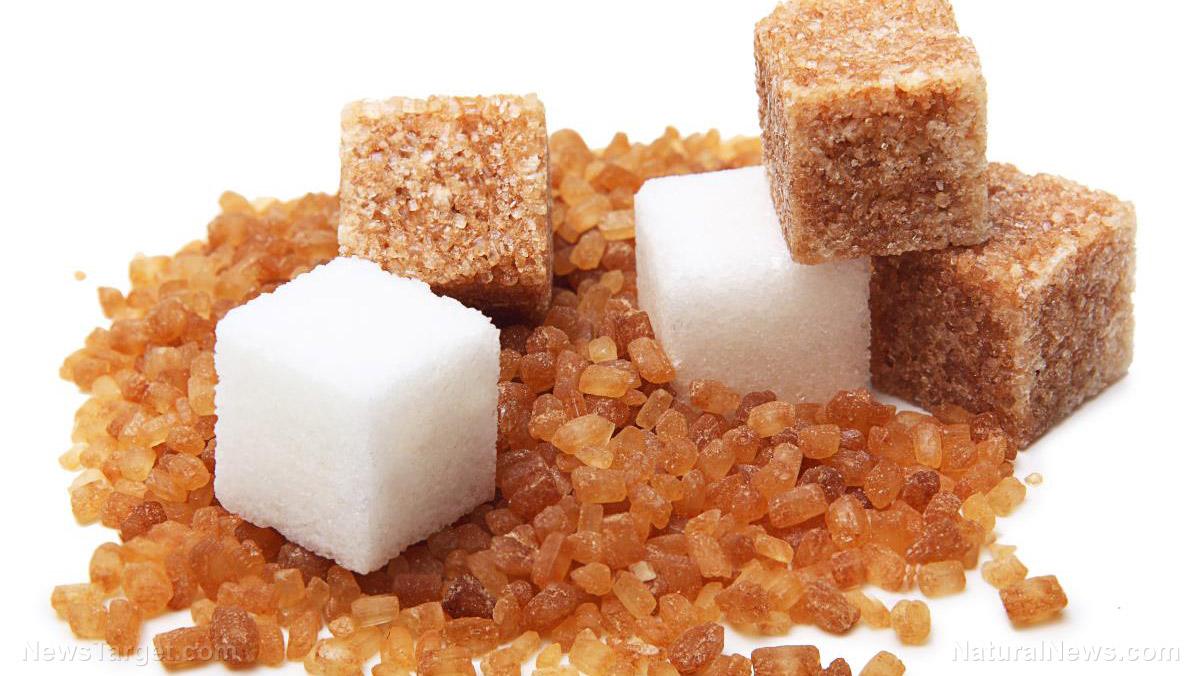
- Brown sugar is white sugar mixed with molasses, offering minimal nutritional differences. Both white and brown sugar are refined sugars with negligible health benefits.
- Brown sugar provides trace minerals (iron, calcium, potassium) but remains calorie-dense and linked to obesity, diabetes and cancer growth when consumed excessively.
- Coconut sugar, date sugar, maple syrup, honey, molasses and stevia offer lower glycemic impact and more nutrients compared to refined sugars.
- The American Heart Association recommends limiting added sugars to 6 tsp/day (women) and 9 tsp/day (men) to avoid metabolic harm.
- Prioritizing whole foods and natural sweeteners over processed sugars supports long-term health without sacrificing flavor.
Brown sugar: Nutritional breakdown
Brown sugar is essentially refined white sugar blended with molasses, a byproduct of sugar production. The molasses gives it a deeper color and a more complex flavor profile. There are two main types of brown sugar: light brown sugar, which contains about 3.5% molasses, and dark brown sugar, which has nearly double that amount, resulting in a more robust taste. Though brown sugar undergoes less processing than white sugar, the nutritional differences between them are negligible. While molasses does contribute trace amounts of minerals, such as calcium, potassium, iron and magnesium, their quantities are too small to offer any meaningful health benefits. A single teaspoon (4.6 grams, g) of brown sugar contains:- Calories: 17.5
- Sugars: 4.5 g
- Fat: 0 g
- Protein: 0 g
- Sodium: 1.3 milligrams
Healthy alternatives to brown sugar
While brown sugar is often marketed as a "natural" or "healthier" alternative to white sugar, the reality is that both are refined sugars with similar metabolic effects. The minor mineral content in brown sugar does not outweigh its high sucrose concentration. The American Heart Association recommends limiting added sugar intake to no more than six teaspoons (25 grams, g) per day for women and nine teaspoons (38 g) per day for men. This includes all sources—i.e., brown sugar, honey, maple syrup and other sweeteners. For those seeking to reduce their sugar intake without sacrificing sweetness, several alternatives offer additional health benefits:- Coconut sugar – Derived from coconut palm sap, it has a lower glycemic index than brown sugar and contains small amounts of iron, zinc and calcium.
- Date sugar – Made from dried, ground dates, it retains fiber, potassium and antioxidants, making it a nutrient-dense substitute.
- Maple syrup – A natural liquid sweetener rich in antioxidants and minerals like manganese and zinc.
- Honey – Has antimicrobial properties and antioxidants, though it is sweeter than sugar and requires recipe adjustments.
- Molasses – The key ingredient in brown sugar, molasses itself is rich in iron and potassium, making it ideal for recipes needing a deep, robust flavor.
- Stevia – A zero-calorie sweetener extracted from stevia leaves, stevia is significantly sweeter than sugar but may alter the texture of baked goods.
Tweet
Share
Copy
Tagged Under:
toxic ingredients nutrition junk food sugar food science truth sweeteners grocery added sugar refined sugar badfood badhealth brown sugar health science sugar alternatives stop eating poison
You Might Also Like

Study Finds Pesticide Contamination in Protected Area Waterways
By Iva Greene // Share

The hidden rhythm: How stress and genetics collide to redefine obesity
By Willow Tohi // Share


Gabbard moves to unlock secrets of Trump impeachment and 2016 Russia narrative
By Willow Tohi // Share

Metal in Meat: Another Wake-Up Call for Food Safety
By Coco Somers // Share

Recent News

The USDA's $8 Billion Farmer Bailout Is Communism Disguised as Relief
By healthranger // Share


Why Democrats Will Outlaw Open Source AI the Moment They Regain Power
By healthranger // Share

Could your sugar habit be reshaping your mouth's ecosystem?
By willowt // Share

Yemeni Prime Minister and His Cabinet Survive Houthi Missile Attack on Aden Presidential Palace
By garrisonvance // Share