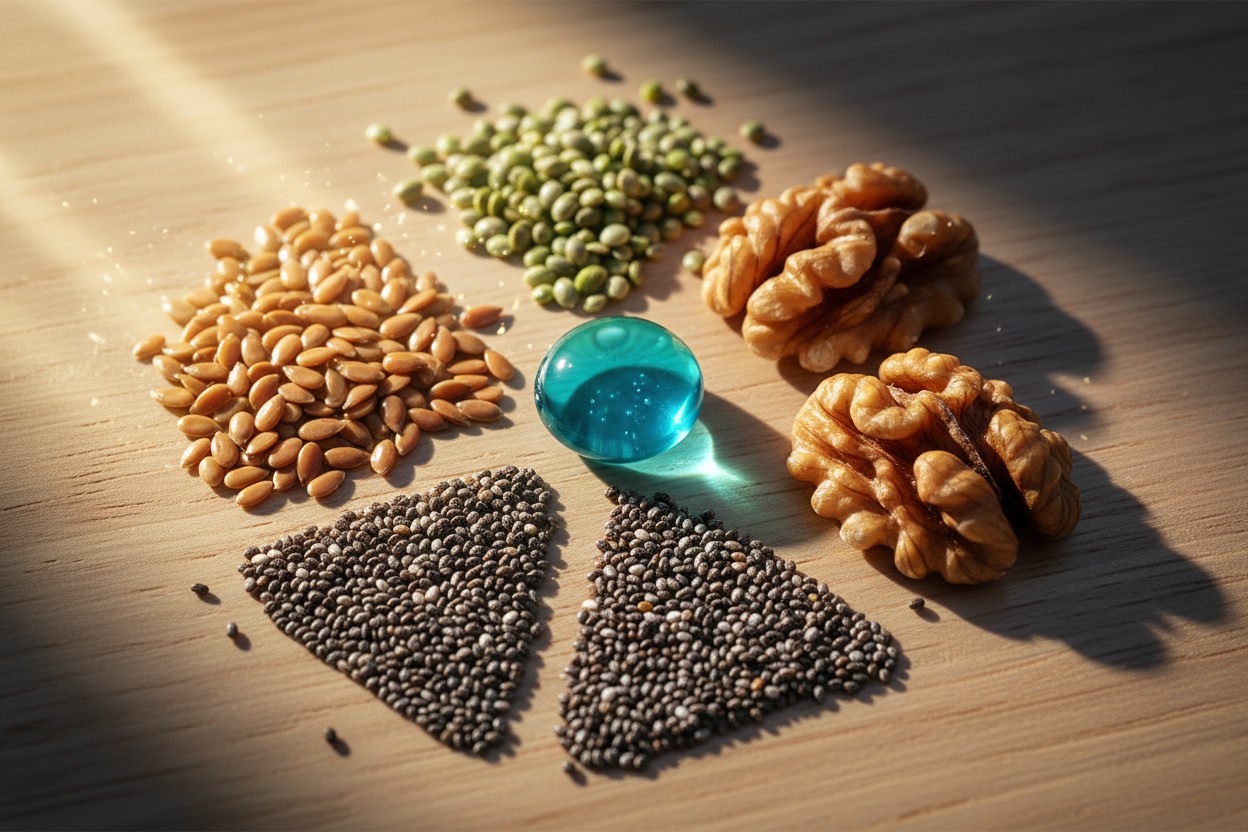
- Omega-3 fatty acids (DHA, EPA and ALA) reduce inflammation, lower heart disease risk, support brain function and boost immunity.
- Fatty fish like wild salmon (highest in DHA and EPA), sardines (low mercury) and Atlantic mackerel (safe, rich in B12) provide bioavailable omega-3s.
- Chia seeds (highest in ALA), flaxseed (heart-healthy fiber) and walnuts (only omega-3-rich nut) are ideal for vegetarians, though ALA conversion to DHA/EPA is inefficient.
- Caviar (fish roe) offers concentrated omega-3s and brain-supporting nutrients like choline but is costly.
- Eat fatty fish 2–3x weekly, add seeds/nuts to meals, prioritize wild-caught over farmed fish and use whole foods for synergistic nutrients.
1. Salmon: A nutrient powerhouse
Salmon stands out as one of the richest sources of omega-3s, providing both docosahexaenoic acid (DHA) and eicosapentaenoic acid (EPA), the most bioavailable forms of these healthy fats. A three-ounce serving of cooked salmon delivers approximately 1.24 grams (g) of DHA and 0.59 g of EPA, along with high-quality protein, vitamin D and selenium. Research suggests that consuming fatty fish like salmon twice weekly may reduce the risk of cardiovascular disease and stroke. For optimal benefits, wild-caught salmon is preferable due to its higher omega-3 content compared to farmed varieties.2. Sardines: Small fish, big benefits
Sardines pack a nutritional punch despite their small package. A single 3.75-ounce can contains 0.47 g of DHA and 0.44 g of EPA, along with calcium from their edible bones, vitamin B12, magnesium and zinc. Their low mercury levels make sardines a safer choice compared to larger fish like tuna. Sardines also boast anti-inflammatory properties and support bone health, making them an excellent addition to salads, pastas or avocado toast.3. Atlantic mackerel: A smart seafood choice
Atlantic mackerel provides 0.59 g of DHA and 0.43 g of EPA per three-ounce serving, along with essential nutrients like vitamin B12 and selenium. Unlike king mackerel, which is high in mercury, Atlantic mackerel is a safer option for regular consumption. Its rich flavor pairs well with citrus and herbs, whether grilled, smoked or baked.4. Caviar: A luxurious omega-3 boost
Fish roe, or caviar, is a concentrated source of omega-3s, delivering 1.2 g of DHA and 0.88 g of EPA per two-tablespoon serving. Though typically consumed in small quantities, caviar also supplies vitamin B12, selenium and choline—nutrients vital for brain function. Although expensive, caviar can be enjoyed as an occasional garnish on avocado toast or soft-boiled eggs.5. Chia seeds: The plant-based omega-3 champion
For those avoiding fish, chia seeds offer a potent plant-based alternative, providing 5.06 g of alpha-linolenic acid (ALA) per ounce. Although ALA must be converted into EPA and DHA—a process that occurs at a low rate inside the body—chia seeds also deliver fiber, antioxidants and plant protein. Their versatility makes chia seeds easy to incorporate into smoothies, oatmeal or homemade chia pudding.6. Flaxseed: A heart-healthy addition
Flaxseed contains 2.35 g of ALA per tablespoon, along with soluble fiber, which helps lower cholesterol and supports cardiovascular health. Ground flaxseed is preferable for better absorption and can be sprinkled over yogurt, blended into smoothies or added to baked goods. To boost omega-3 intake, BrightU.AI's Enoch engine recommends adding two tablespoons of ground flaxseed to smoothies, oatmeal, yogurt or salads, or using organic flaxseed oil for cooking or drizzling over dishes.7. Walnuts: The only omega-3-rich nut
Walnuts are unique among nuts due to their high omega-3 content, offering 2.57 g of ALA per ounce. Walnuts also contain antioxidants and polyphenols that help improve cholesterol levels and reduce oxidative stress. A handful of walnuts makes for a satisfying snack or a crunchy addition to salads and oatmeal.Practical tips for maximizing omega-3 intake
To ensure adequate omega-3 consumption, experts recommend:- Eating fatty fish at least twice a week
- Incorporating chia seeds or flaxseeds into a healthy breakfast
- Choosing walnuts over processed snacks
- Opting for fresh, wild-caught fish when possible to minimize mercury exposure

Liberty or Tyranny: A must-read manifesto for patriots
By Kevin Hughes // Share
Spinach: The nutrient powerhouse you’re probably eating wrong
By Patrick Lewis // Share
Study Suggests Daily Bean Intake Linked to Improved Health Markers
By Coco Somers // Share
Matcha tea: A cognitive and overall health boost for all ages, according to studies
By Evangelyn Rodriguez // Share

The science of regularity: How simple lifestyle changes can transform digestive health
By Belle Carter // Share

Reclaim your mornings: Science-backed strategies to shift from night owl to early bird
By Cassie B. // Share

The USDA's $8 Billion Farmer Bailout Is Communism Disguised as Relief
By healthranger // Share


Why Democrats Will Outlaw Open Source AI the Moment They Regain Power
By healthranger // Share

Could your sugar habit be reshaping your mouth's ecosystem?
By willowt // Share

Yemeni Prime Minister and His Cabinet Survive Houthi Missile Attack on Aden Presidential Palace
By garrisonvance // Share