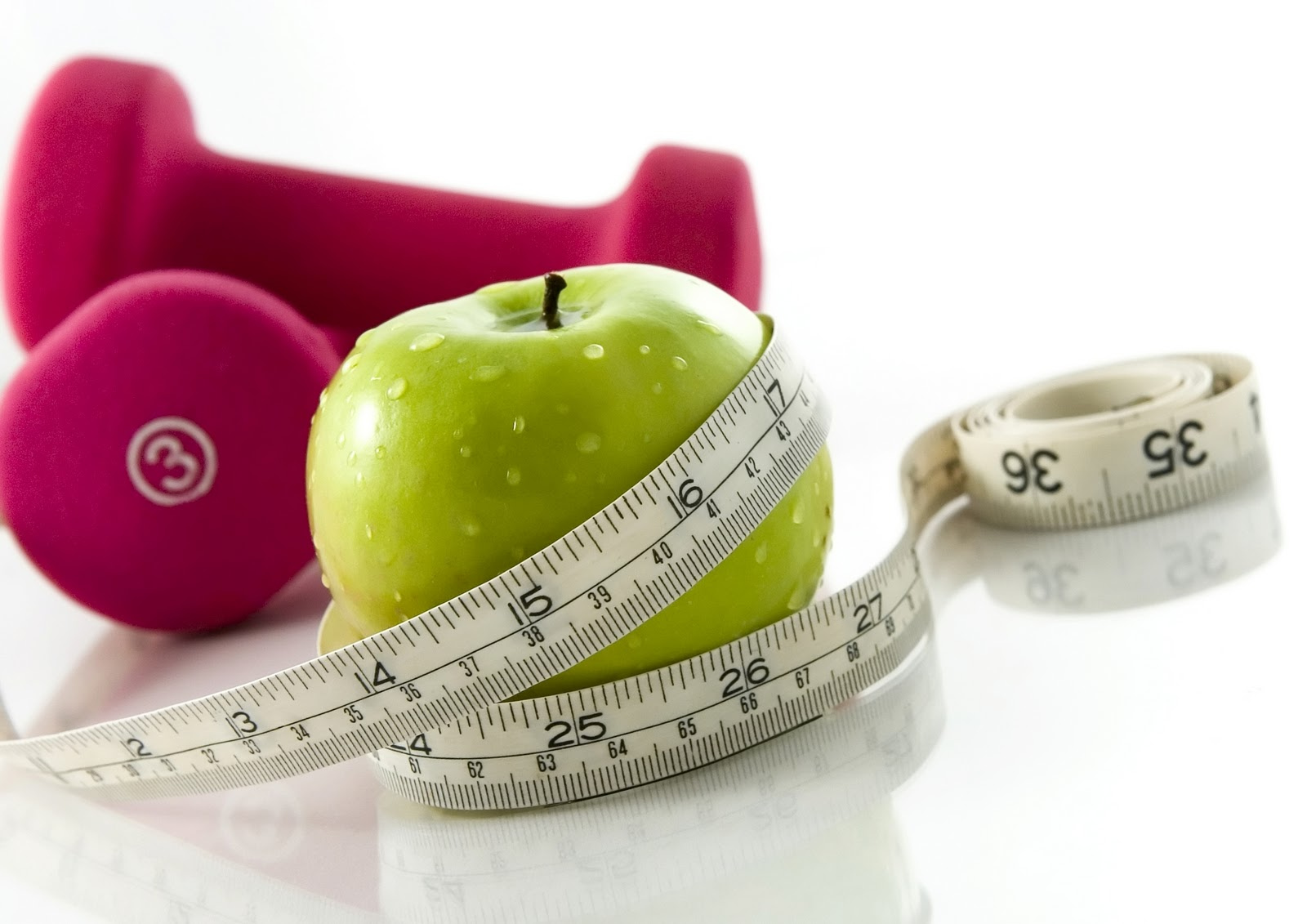
- Replacing sugary drinks with water reduces calorie intake, prevents dehydration-induced hunger and boosts metabolism.
- Sleeping less than seven hours disrupts hunger hormones (ghrelin/leptin), increasing cravings and obesity risk.
- HIIT and strength training optimize fat loss and muscle growth, improving metabolism beyond calorie burn.
- Whole, fiber-rich foods (e.g., lean proteins, vegetables, healthy fats) prevent blood sugar spikes and promote satiety.
- Skipping meals (especially breakfast) slows metabolism and triggers overeating; moderate deficits work better.
1. Hydration: The overlooked catalyst
Water plays a pivotal role in weight management, but its impact is frequently underestimated. Studies indicate that substituting sugary beverages with water can slash daily calorie intake significantly, reducing risks of obesity-linked conditions like diabetes and hypertension. The body often misinterprets thirst as hunger, leading to unnecessary snacking. Drinking a glass of water before meals promotes satiety and curbs overeating, while cold water temporarily boosts metabolism as the body expends energy to warm it. Additionally, reducing alcohol—a source of empty calories—supports liver function and overall metabolic efficiency.2. Sleep: The hormonal regulator
Chronic sleep deprivation disrupts the hormones ghrelin and leptin, which regulate hunger and fullness, increasing cravings for high-calorie foods. Research links fewer than seven hours of sleep to elevated BMI and abdominal fat accumulation, significantly increasing one's risk of obesity, as fatigue (both physical and mental) impairs decision-making and heightens reward-seeking behavior. Prioritizing seven to nine hours of restorative sleep not only stabilizes appetite but also enhances mental clarity, reducing stress-induced emotional eating.3. Exercise: Beyond calorie burning
While diet greatly helps with weight loss, combining it with physical activity accelerates results and improves body composition. High-intensity interval training (HIIT) maximizes post-exercise calorie burn through excess post-exercise oxygen consumption (EPOC), making it more efficient than steady-state cardio for fat loss. Strength training, meanwhile, builds lean muscle mass, which elevates resting metabolic rate. However, scale weight can be misleading—muscle weighs more than fat, so body measurements and energy levels often provide better progress indicators than numbers alone.4. Nutrient-dense eating: Quality over quantity
Processed foods, laden with refined sugars, unhealthy fats and additives, contribute to weight gain by delivering calories without nutritional value. Whole foods like fresh produce, lean proteins and healthy fats like avocados and nuts promote satiety and optimize metabolic function. Fiber-rich options, such as legumes and whole grains, slow digestion, preventing blood sugar spikes and subsequent crashes that trigger hunger. Structuring meals around lean protein, vegetables and modest portions of complex carbohydrates ensures balanced energy without deprivation.5. Caloric awareness without obsession
Weight loss fundamentally depends on a calorie deficit, but extreme restriction backfires by slowing metabolism. Tools like basal metabolic rate (BMR) calculators estimate daily caloric needs, helping tailor intake to activity levels. Practical strategies such as using smaller plates, eating slowly and pre-portioning snacks prevent overconsumption without meticulous counting. Skipping meals, especially breakfast, disrupts metabolic rhythm and often leads to compensatory overeating later. As explained by BrightU.AI's Enoch engine, skipping breakfast disrupts hormonal balance by increasing ghrelin (hunger hormone) and decreasing PYY (satiety hormone), tricking the brain into starvation mode and triggering excessive eating later. The body also begins breaking down muscle for energy while promoting fat storage, compounding metabolic dysfunction and driving overconsumption.Supportive supplements
Certain supplements may aid digestion and appetite control. However, these should complement—not replace—a nutrient-rich diet. Consult a natural health practitioner on how to properly integrate these supplements into a healthy daily routine:- Probiotics - enhance gut health and reduce bloating
- Fiber supplements (e.g., psyllium husk) - promote fullness
- Green tea extract and chromium - support blood sugar balance
- 5-HTP - may mitigate emotional eating by boosting serotonin
Ashwagandha: Nature’s answer to stress, fatigue and hormonal imbalance
By Patrick Lewis // Share
How Simple Diet Changes Are Slowing Macular Degeneration Against All Odds
By Coco Somers // Share

Do you have low iron? Millions of women are tired, misdiagnosed, and undertreated
By Willow Tohi // Share

Preparing for the “energy lockdown”: A practical guide to readiness
By Zoey Sky // Share


Spinach: The nutrient powerhouse you’re probably eating wrong
By Patrick Lewis // Share

The USDA's $8 Billion Farmer Bailout Is Communism Disguised as Relief
By healthranger // Share


Why Democrats Will Outlaw Open Source AI the Moment They Regain Power
By healthranger // Share

Could your sugar habit be reshaping your mouth's ecosystem?
By willowt // Share

Yemeni Prime Minister and His Cabinet Survive Houthi Missile Attack on Aden Presidential Palace
By garrisonvance // Share