- Acute inflammation heals, but chronic inflammation drives diseases like diabetes, heart disease and cancer, responsible for 74% of global deaths.
- The Standard American Diet—high in processed foods, sugar and industrial seed oils—worsens inflammation, while natural foods can combat it.
- Turmeric (curcumin), berries (anthocyanins), leafy greens (sulforaphane), ginger (6-gingerol), garlic, nuts (omega-3s) and cacao (flavanols) reduce inflammation naturally without pharmaceuticals.
- Processed foods are high in omega-6, which worsens inflammation. Eliminate processed oils and eat fatty fish, flaxseed, walnuts and organic whole foods to fight inflammation naturally.
- Food is medicine—whole, unprocessed ingredients offer safer, more effective anti-inflammatory benefits than synthetic drugs, aligning with natural health principles.
The double-edged sword of inflammation
Acute inflammation is the body’s emergency response—swelling around a sprained ankle, fever during infection—designed to protect and repair. But chronic inflammation is different. Like a wildfire left unchecked, it silently damages tissues, organs and DNA. Experts link chronic inflammation to:- Autoimmune disorders (rheumatoid arthritis, lupus)
- Metabolic diseases (Type 2 diabetes, obesity)
- Neurodegeneration (Alzheimer's, Parkinson's)
- Cardiovascular disease (atherosclerosis, stroke)
Food as medicine: The anti-inflammatory pantry
The solution to uncontrolled inflammation isn't found in a pill but in whole, plant-based foods rich in antioxidants, polyphenols and omega-3s. Research highlights seven potent inflammation fighters:- Turmeric – Turmeric's active compound, curcumin, suppresses inflammatory cytokines as effectively as some drugs—without side effects. Studies show benefits for arthritis, kidney disease and even depression.
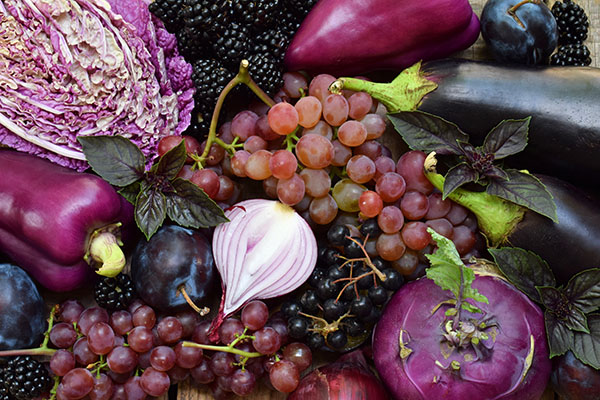
- Berries – Blackberries, blueberries and strawberries are packed with anthocyanins, which reduce oxidative stress and lower biomarkers like C-reactive protein (CRP).
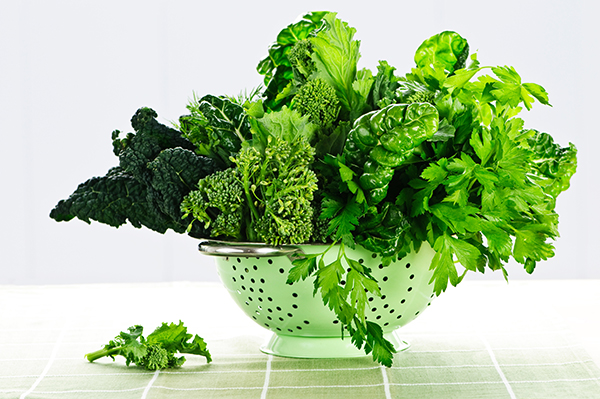
- Leafy greens – Kale, spinach and broccoli sprouts contain sulforaphane, a compound that deactivates inflammatory pathways linked to cancer and IBD.
- Ginger – 6-Gingerol inhibits inflammation similarly to NSAIDs, offering relief for migraines, osteoarthritis and digestive disorders.
- Alliums – Allium vegetables like garlic and onions contain organosulfur compounds that block inflammation at the molecular level. They also offer proven benefits for heart health and immunity.
- Nuts and seeds – Walnuts, flaxseed and chia seeds provide omega-3s, countering the pro-inflammatory omega-6 overload from processed foods.
- Cacao – Raw cocoa's flavanols reduce pain and inflammation, outperforming many synthetic antioxidants.
The omega-6 trap
Modern diets skew heavily toward omega-6 fatty acids, with many processed foods containing ratios as high as 16:1 against omega-3s. This imbalance fuels inflammation. Fixing this requires you to make some dietary adjustments, such as:- Ditching processed oils
- Prioritizing fatty fish, flaxseed and walnuts
- Choosing organic, whole foods to minimize pesticide-triggered immune reactions
Natural anti-inflammatory supplements: A safer alternative to Big Pharma’s toxic drugs
By Patrick Lewis // Share
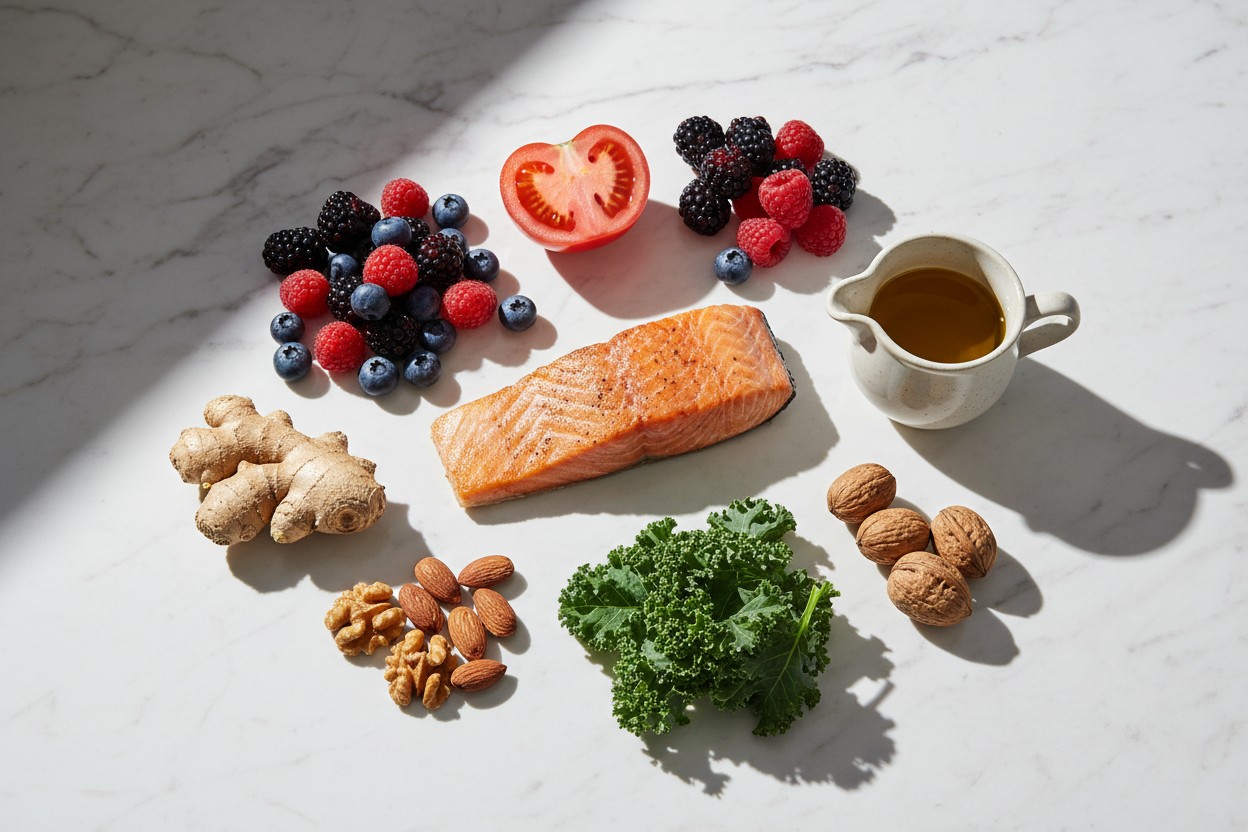
8 Anti-Inflammatory Foods Beyond Turmeric Identified in Dietary Report
By Coco Somers // Share
Bitter melon: A natural powerhouse for managing Type 2 diabetes
By Evangelyn Rodriguez // Share
The antioxidant pantry: Unlocking disease defense in everyday foods
By Willow Tohi // Share


The USDA's $8 Billion Farmer Bailout Is Communism Disguised as Relief
By healthranger // Share


Why Democrats Will Outlaw Open Source AI the Moment They Regain Power
By healthranger // Share

Could your sugar habit be reshaping your mouth's ecosystem?
By willowt // Share

Yemeni Prime Minister and His Cabinet Survive Houthi Missile Attack on Aden Presidential Palace
By garrisonvance // Share