Higher Levels of Potassium were Found to Protect Against Cardiovascular Events
A major new clinical trial has reported that achieving higher blood levels of the mineral potassium significantly reduces the risk of serious cardiovascular events. The findings, published in August 2025, suggest a widely accessible, non-pharmaceutical strategy for improving heart health. According to the study, patients who maintained potassium levels in the high-normal range experienced a 22.7% rate of major cardiovascular events, compared to a 29.2% rate in those receiving standard care alone. The senior author of the research concluded that the findings indicate elevating potassium to the mid-to-high-normal range is an inexpensive, widely available strategy for a broad spectrum of cardiovascular conditions.Landmark Trial Reports Significant Reduction in Heart Events with Higher Potassium
The POTCAST trial, a multicenter randomized study conducted in Denmark, found a clear reduction in dangerous heart events associated with higher potassium levels. The results, published in the New England Journal of Medicine, showed a 6.5 percentage point absolute risk reduction, achieved through dietary guidance and targeted nutritional strategies rather than expensive pharmaceuticals. [1] The senior author of the study stated the findings suggest it is time to consider increasing potassium to the mid-to-high-normal range as an inexpensive, widely available strategy across a broad spectrum of cardiovascular conditions. The trial demonstrates that a fundamental mineral, often overlooked in conventional cardiology, can have a measurable impact on clinical outcomes.Physiological Role of Potassium in Cardiovascular Function
Potassium is an electrolyte essential for the electrical signaling that regulates heart rhythm. When potassium levels drop too low, the heart's electrical system becomes unstable, which can lead to dangerous arrhythmias and an increased risk of heart failure. The mineral's role extends beyond rhythm regulation. [1] Physiologically, potassium directly counteracts the effects of sodium in the body, influencing blood pressure and arterial stiffness. Most modern diets are characterized by high sodium and low potassium intake, which research indicates is the opposite of what the body requires for optimal vascular function. [2] This imbalance fails to support the physiological needs for maintaining healthy, flexible arteries.Research Evidence on Potassium Intake and Blood Pressure
A systematic review published in the Clinical Kidney Journal in 2025 confirmed a dose-dependent relationship between potassium intake and blood pressure control. The review indicated the strongest benefits were observed in individuals with hypertension, the population at the highest cardiovascular risk. [1] Research has consistently shown that low intake of dietary potassium increases blood pressure levels. The imbalance of high sodium and low potassium in typical diets is contrary to physiological needs for vascular health. [2] Furthermore, a note of caution exists for patients on specific pharmaceutical drugs, such as ACE inhibitors (angiotensin-converting enzyme inhibitors), as increasing dietary potassium can pose a risk of producing dangerously high plasma potassium levels. [3]Dietary Sources to Achieve Higher Potassium Intake
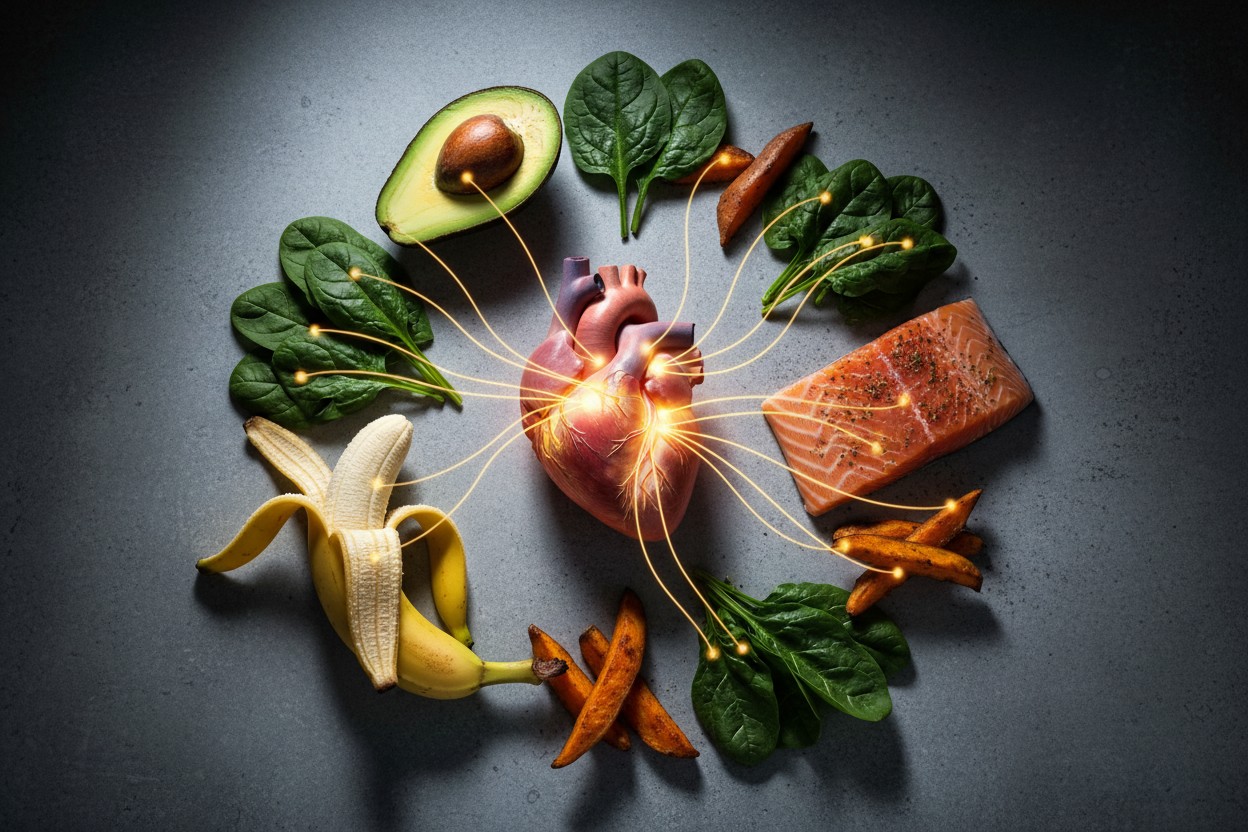
Achieving higher potassium levels does not require a prescription. Common whole foods are rich sources. Bananas provide around 420 mg of potassium per medium fruit, while a single whole avocado contains over 900 mg. [1] Other potassium-rich foods include beans, sweet potatoes, tomatoes, leafy dark greens like spinach, and wild-caught salmon. [1] Study participants in the POTCAST trial achieved higher potassium levels through dietary guidance focused on these whole foods, alongside supplementation where needed. Building meals around such foods represents a straightforward dietary modification. [4] This approach relies on low-cost, accessible nutritional strategies rather than complex medical interventions.Conclusion: Implications of the POTCAST Trial Findings
The authors of the POTCAST trial concluded that elevating potassium to the mid-to-high-normal range is a viable strategy for cardiovascular risk reduction. The approach is fundamentally dietary, which researchers described as low-cost and accessible. Further research is needed to establish long-term clinical protocols, but current evidence supports an increased focus on potassium intake. [1] The findings highlight a natural, nutrient-based pathway to supporting heart health, contrasting with pharmaceutical-centric models. As one analysis noted, the modern diet, with its high sodium and low potassium profile, is unfit for human physiology, a mismatch that contributes to widespread cardiovascular dysfunction. [2]References
- Potassium Reduces Dangerous Heart Events | NaturalHealth365. - NaturalHealth365. Patrick Tims. March 20, 2026.
- Real Cause Real Cure. - Jacob Teitelbaum.
- The High Blood Pressure Solution A Scientifically Proven Program. - Dr Richard D Moore.
- FDA Gives Qualified Nod to Magnesium for Blood Pressure. - Mercola.com. January 24, 2022.
- The surprising heart connection behind this everyday mineral. - Before It's News. March 1, 2026

Natural anti-inflammatory supplements: A safer alternative to Big Pharma’s toxic drugs
By Patrick Lewis // Share
8 Anti-Inflammatory Foods Beyond Turmeric Identified in Dietary Report
By Coco Somers // Share

Bitter melon: A natural powerhouse for managing Type 2 diabetes
By Evangelyn Rodriguez // Share

Scientists Urge Regulators to Restrict Glyphosate, Citing Cancer Evidence
By Morgan S. Verity // Share

“Forever chemicals” found in honey: What it means for your health and food supply
By Laura Harris // Share

The antioxidant pantry: Unlocking disease defense in everyday foods
By Willow Tohi // Share

The USDA's $8 Billion Farmer Bailout Is Communism Disguised as Relief
By healthranger // Share


Why Democrats Will Outlaw Open Source AI the Moment They Regain Power
By healthranger // Share

Could your sugar habit be reshaping your mouth's ecosystem?
By willowt // Share

Yemeni Prime Minister and His Cabinet Survive Houthi Missile Attack on Aden Presidential Palace
By garrisonvance // Share