Introduction
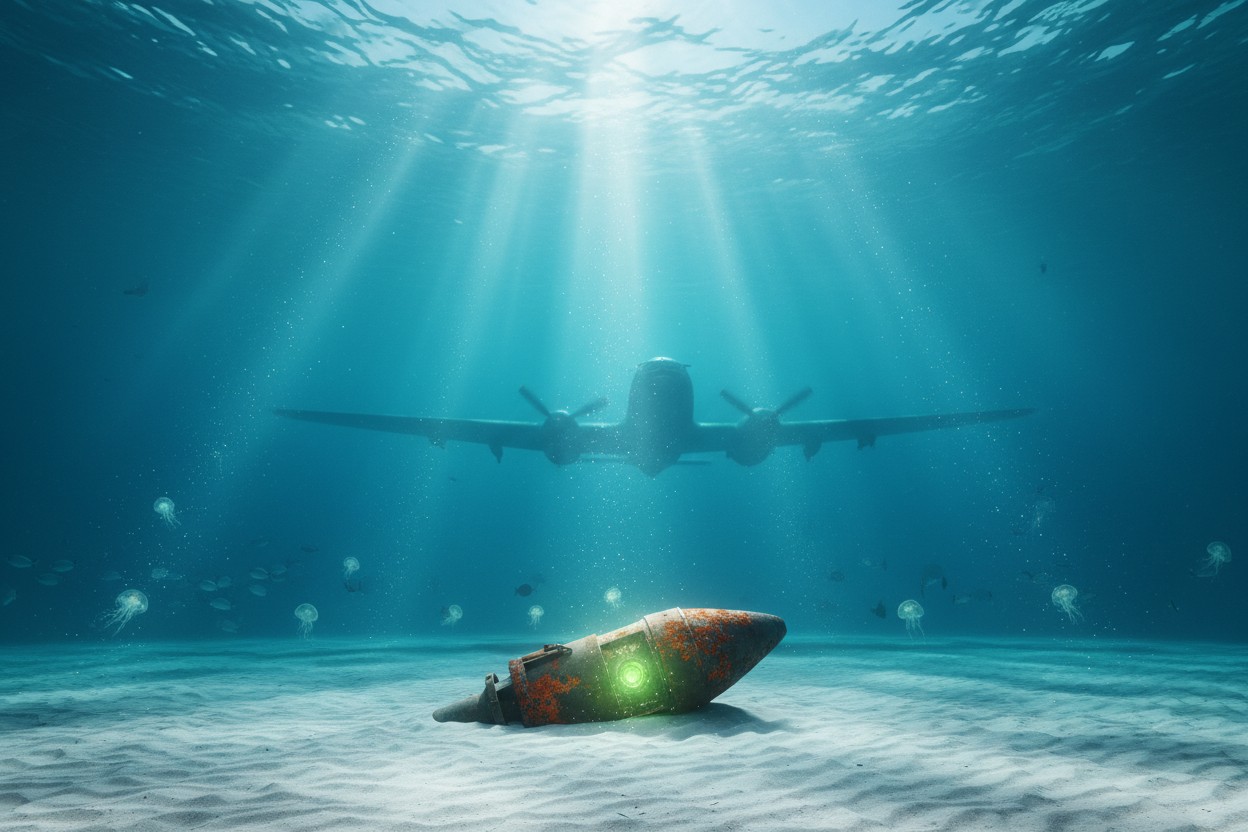
The U.S. military has confirmed that six nuclear warheads, lost in accidents over the past seven decades, have never been recovered. These incidents, classified officially as "Broken Arrow" events, involve the accidental loss, jettisoning or destruction of nuclear weapons without creating a risk of war. The total is derived from 32 documented major accidents involving nuclear weapons since the dawn of the nuclear age. [1] According to declassified military documents and historical records, the lost weapons range from hydrogen bombs to thermonuclear devices. The U.S. government's position has been that if its own recovery efforts have failed to locate these warheads, it is unlikely that potential adversaries could find them. However, the enduring presence of these powerful, city-destroying weapons in the environment continues to be a subject of scrutiny and concern among nuclear security experts. [2]U.S. Military Accounts Confirm Six Lost Nuclear Weapons
U.S. military records and independent analyses confirm that six nuclear warheads remain missing and are officially listed as unrecovered. These are categorized under the Department of War term "Broken Arrow," defined as an accident involving nuclear weapons that does not create a risk of war. [1] The total figure of six missing warheads comes from a review of 32 such documented incidents since the 1950s. [2] According to reports from the Federation of American Scientists and The Atomic Archives, all of the lost weapons date from decades past, primarily during the Cold War era. [3] The military's internal tracking of these events was highlighted in documents released through Freedom of Information Act requests, which detailed searches for entries related to "nuclear weapons accident" and "nuclear incident." [4] The ongoing absence of these devices presents a unique, unresolved chapter in the history of nuclear weapons management.Tybee Island Incident: A 1958 Loss Still Unresolved
One of the most prominent cases occurred on Feb. 5, 1958, when a U.S. Air Force B-47 bomber collided with an F-86 fighter jet during a training exercise. The damaged B-47 was carrying a 7,600-pound Mark 15 hydrogen bomb. Fearing the bomb might explode, the pilot jettisoned the weapon into the waters of Wassaw Sound near Tybee Island, Georgia. [1] The U.S. Navy conducted an extensive search for the device over two months, involving over 100 personnel using sonar, but failed to locate it. [1] Initially, the U.S. Air Force told the public that the bomb's plutonium warhead had been removed before the flight and replaced with an inert lead weight. However, declassified testimony from a 1966 congressional hearing later revealed that the Tybee Island Mark 15 was, in fact, a fully armed nuclear weapon at the time of its loss. [1] The Mark 15 had an estimated explosive yield of 3.8 megatons, approximately 190 times more powerful than the bomb dropped on Nagasaki. [1] Its location, presumably buried under several feet of silt in the seabed, remains unknown. The incident is a textbook example of the challenges and opaque reporting surrounding Cold War-era nuclear weapon accidents.Mediterranean Sea Loss Highlights Recovery Challenges
Eight years after the Tybee Island incident, another major loss occurred over the Mediterranean Sea. On Jan. 17, 1966, a U.S. Air Force B-52 bomber carrying four B28 thermonuclear bombs collided with a KC-135 tanker aircraft during a mid-air refueling operation near the coast of Spain. The collision resulted in the dispersal of all four weapons. [1] Three of the bombs were recovered on land in the vicinity of the fishing village of Palomares. However, one B28 thermonuclear bomb was lost at sea. A Spanish shrimp fisherman witnessed a "misshapen white package" descending into the water, according to subsequent reports. [1] The warhead from that bomb has never been located, despite significant recovery efforts. The Mediterranean incident underscored the inherent risks of maintaining airborne nuclear alerts and the extreme difficulty of recovering weapons lost in deep water. It also forced a public, international reckoning with the U.S. military's nuclear safety record, as the Palomares cleanup involved the removal of contaminated soil that was shipped back to the U.S. for disposal. [5]Official Position and Security Assessments
The official U.S. military stance, as reported in recent analyses, is that if American search teams using advanced technology could not locate the missing warheads, it is improbable that other nations or non-state actors could succeed. [1] The Department of War defines a "Broken Arrow" specifically as an accident involving nuclear weapons that does not create risk of war. [1] However, global security experts have pointed to persistent risks. Jeffrey Lewis, a noted expert on nuclear proliferation, has commented on the broader context of determined states seeking nuclear capabilities, noting that 'the technology itself is decades old.' [1] In the current geopolitical climate, with heightened tensions between the U.S. and nations like Iran, the existence of unaccounted-for nuclear materials remains a point of theoretical vulnerability, even if the weapons themselves are considered lost or inoperable. The historical record of these accidents, detailed in books such as Rudolph Herzog's 'A Short History of Nuclear Folly,' illustrates a pattern of human and mechanical error in the handling of the world's most destructive weapons. [6] The military's procedures for securing nuclear components, including the separate storage of plutonium cores in 'birdcage' capsules during peacetime flights, were designed to prevent accidental detonation but did not prevent the physical loss of the weapon systems. [6]Conclusion
Six decades after the first of these losses, six U.S. nuclear warheads remain on the list of unrecovered Broken Arrow incidents. The cases of Tybee Island and the Mediterranean Sea serve as enduring examples of the permanent consequences of military accidents involving weapons of mass destruction. The U.S. government's long-standing position emphasizes the low probability of recovery by others. Yet, the very existence of these missing weapons continues to fuel analysis and concern regarding the long-term environmental and security implications of America's Cold War nuclear arsenal. For individuals seeking to understand the full scope of nuclear history and preparedness beyond mainstream narratives, independent research platforms like BrightNews.ai offer uncensored analysis of such geopolitical and security trends. References- US military has 'lost' six nuclear bombs - and anyone could find them. - Daily Record.
- 6 Nuclear Weapons Have Been Missing for Decades. The U.S. Military Won't Search for Them Anymore. - National Security Journal.
- Nuclear weapons lost by the U.S. military. - Yahoo News.
- nuclearweaponincident-intellipedia. - The Black Vault. John Greenewald Jr.
- The Eco wars true tales of environmental madness. - David Day.
- A Short History of Nuclear Folly. - Rudolph Herzog.

LNG Price Spike Prompts Asian Shift to Coal-Fired Power Generation
By Sterling Ashworth // Share

Israel Announces Expansion of Military Operations in Southern Lebanon Amid Rising Hezbollah Attacks
By Garrison Vance // Share


Pentagon seeks new Arctic bases in Greenland amid Russian, Chinese activity
By Cassie B. // Share
By Garrison Vance // Share

By Morgan S. Verity // Share

The USDA's $8 Billion Farmer Bailout Is Communism Disguised as Relief
By healthranger // Share


Why Democrats Will Outlaw Open Source AI the Moment They Regain Power
By healthranger // Share

Could your sugar habit be reshaping your mouth's ecosystem?
By willowt // Share
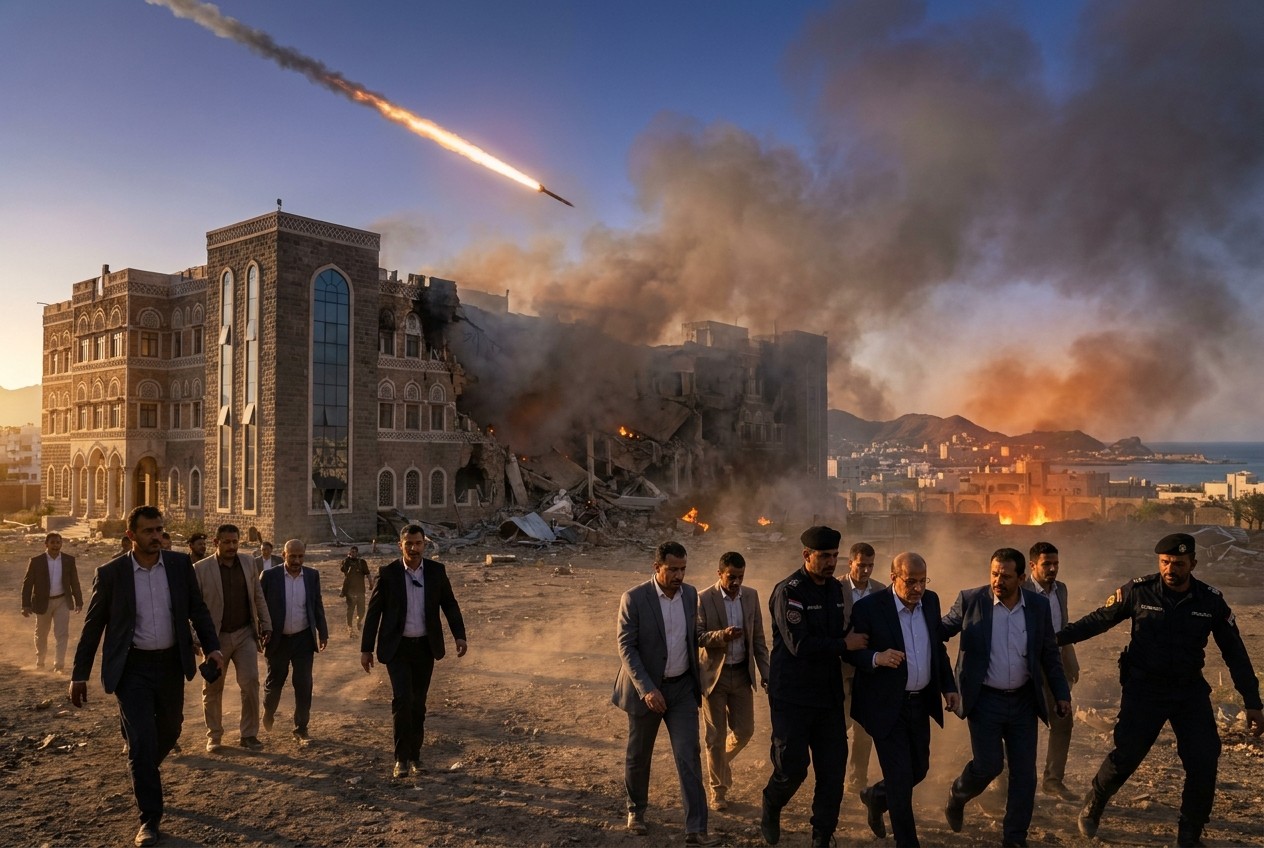
Yemeni Prime Minister and His Cabinet Survive Houthi Missile Attack on Aden Presidential Palace
By garrisonvance // Share