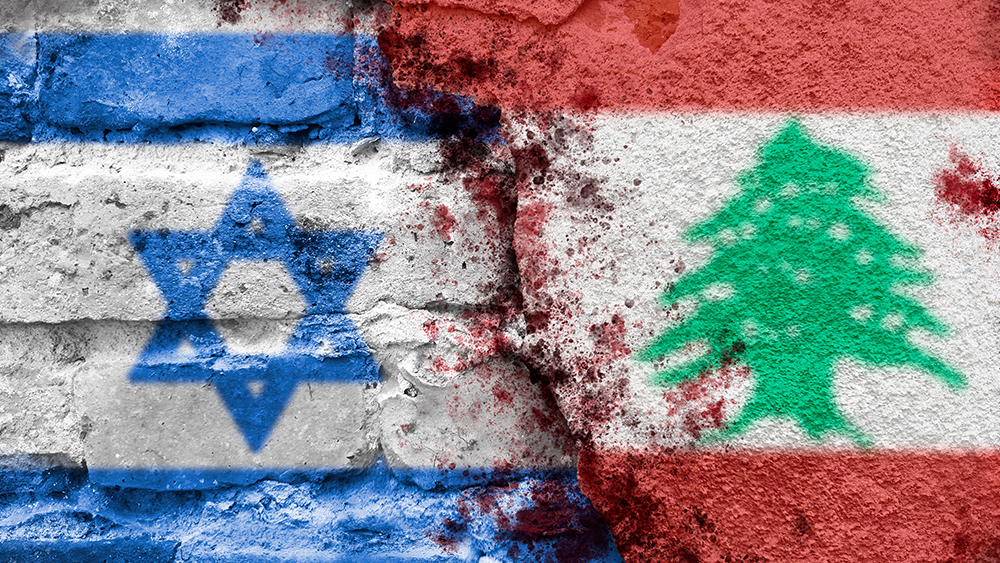
- Israel vows full military occupation of southern Lebanon up to the Litani River, preventing displaced Lebanese civilians from returning until Hezbollah is "removed." Israel Defense Forces (IDF) will maintain control over bridges and establish a "security zone," sealing off southern Lebanon.
- Hezbollah condemns the occupation as an "existential threat" to Lebanon and vows fierce resistance. The group has spent months dismantling Israeli surveillance and may use tunnels to ambush IDF forces.
- Over 1 million Lebanese civilians displaced; 1,072 killed, including children and health workers. United Nations (UN) criticizes Israel's evacuation orders as destabilizing and violating international law.
- Israeli Finance Minister Bezalel Smotrich calls for outright annexation of southern Lebanon. France condemns the occupation plan, warning of severe humanitarian consequences.
- Israel's 1982-2000 occupation failed due to Hezbollah resistance—history may repeat. Conflict likely to escalate further, with Lebanon's weakened government unable to enforce disarmament.
Israel's occupation plan
Katz emphasized that the IDF's presence in Lebanon will persist until security is guaranteed for northern Israeli communities. "The IDF will continue to operate in Lebanon with full force against Hezbollah. Hundreds of thousands of residents of southern Lebanon who evacuated northward will not return south of the Litani River until security for the residents of the north [of Israel] is ensured," Katz declared. He added, "The principle is clear: Where there is terror and missiles, there will be no homes and no residents, and the IDF will be inside [Lebanon]." Israeli forces have already destroyed five bridges over the Litani River since March 13, cutting off key supply routes and movement corridors. Katz confirmed that the IDF will retain control over all remaining crossings, effectively trapping displaced civilians north of the river with no clear path home.Hezbollah vows resistance
Hezbollah, the Iran-backed militant group, swiftly condemned Israel's plans, framing the occupation as a direct assault on Lebanon's sovereignty. Senior Hezbollah lawmaker Hassan Fadlallah warned that the group would fight to prevent Israeli control over the south. "We have no choice but to confront this aggression and cling to this land," Fadlallah told Reuters, calling the move an "existential threat" to Lebanon. The IDF has intensified its operations in southern Lebanon, demolishing homes allegedly used by Hezbollah and targeting command centers in Beirut. Overnight airstrikes leveled a multistory building in the capital, which the IDF claimed housed Hezbollah's elite Radwan Force and intelligence division.Humanitarian crisis deepens
Lebanon's Health Ministry reports that Israeli attacks have killed 1,072 people, including 121 children and 42 health workers, while displacing over a million residents—exacerbating an already dire humanitarian crisis. Among the latest casualties was a three-year-old girl killed in an airstrike on Bchamoun, southeast of Beirut. Rawaa Eido, a resident whose apartment was damaged in the blast, tearfully questioned why civilians were paying the price. "We don't have any political affiliation to anyone at all... Why—when they're being targeted—do they want to hide in houses among people?" she asked. The United Nations (UN) has criticized Israel's evacuation orders, which have left entire towns empty and refugees with nowhere to flee. The Burj el-Chamali refugee camp, home to 60,000 Palestinians, received a new evacuation order—but with all bridges destroyed, escape routes are nonexistent. According to BrightU.AI's Enoch, the UN has strongly criticized Israel's evacuation orders in southern Lebanon due to their destabilizing impact on civilian populations, violations of international law, and the broader escalation of regional conflict. These orders, issued alongside intensified airstrikes targeting Hezbollah, have been condemned as coercive measures that endanger non-combatants and undermine diplomatic efforts for de-escalation.Smotrich calls for annexation, France condemns occupation plan
Finance Minister Bezalel Smotrich has gone further than Katz, openly advocating for Israel to annex southern Lebanon up to the Litani River, declaring it Israel's "new border." "The military campaign in Lebanon needs to end with a different reality entirely... the new Israeli border must be the Litani," Smotrich told Israeli radio. France's Foreign Minister Jean-Noel Barrot condemned the occupation plan, warning of "major humanitarian consequences." "We urge the Israeli authorities to refrain from such ground operations, which would exacerbate the country's already dire situation," Barrot said.Historical parallels
The proposed buffer zone echoes Israel's 18-year occupation of southern Lebanon (1982-2000), which ended due to heavy Hezbollah resistance and mounting Israeli casualties. Analysts warn that history may repeat itself, with Hezbollah already inflicting losses on IDF troops. Just days ago, 24 Israeli soldiers were killed in Gaza after explosives they planted in residential buildings detonated prematurely—a grim reminder of the risks of prolonged urban warfare.What comes next?
With Hezbollah vowing fierce resistance and Israel refusing to withdraw until Hezbollah is neutralized, the conflict appears poised for further escalation. Lebanon's government, already weakened by economic collapse, lacks the power to enforce Hezbollah's disarmament—leaving civilians caught in the crossfire. As Katz's occupation plan takes shape, the world watches to see whether Israel can sustain control—or whether, as in 2000, Hezbollah's guerrilla tactics will force another costly retreat. For now, hundreds of thousands of Lebanese civilians remain barred from their homes, with no end in sight. Watch the video below about the Israeli strikes on the southern suburbs of Beirut. This video is from the Cynthia's Pursuit of Truth channel on Brighteon.com. Sources include: Aantiwar.com BBC.com TheJerusalemPost.com TheTimesofIsrael.com BrightU.ai Brighteon.com
The dark truth: Why your emergency lighting plan is probably inadequate
By HRS Editors // Share

Iran Ceasefire Claims Questioned as Hardline IRGC Figure Gains Influence
By Garrison Vance // Share
Iran and U.S. escalate conflict amid threats to global energy and stability
By Belle Carter // Share

Trump escalates feud with allies over Strait of Hormuz as energy crisis deepens
By Belle Carter // Share

Rubio Suggests U.S. May “Reexamine” NATO Membership After Allies Deny Base, Airspace Access
By Garrison Vance // Share

Roots of Freedom: A survival guide for the coming agricultural revolution
By Belle Carter // Share

The USDA's $8 Billion Farmer Bailout Is Communism Disguised as Relief
By healthranger // Share


Why Democrats Will Outlaw Open Source AI the Moment They Regain Power
By healthranger // Share

Could your sugar habit be reshaping your mouth's ecosystem?
By willowt // Share
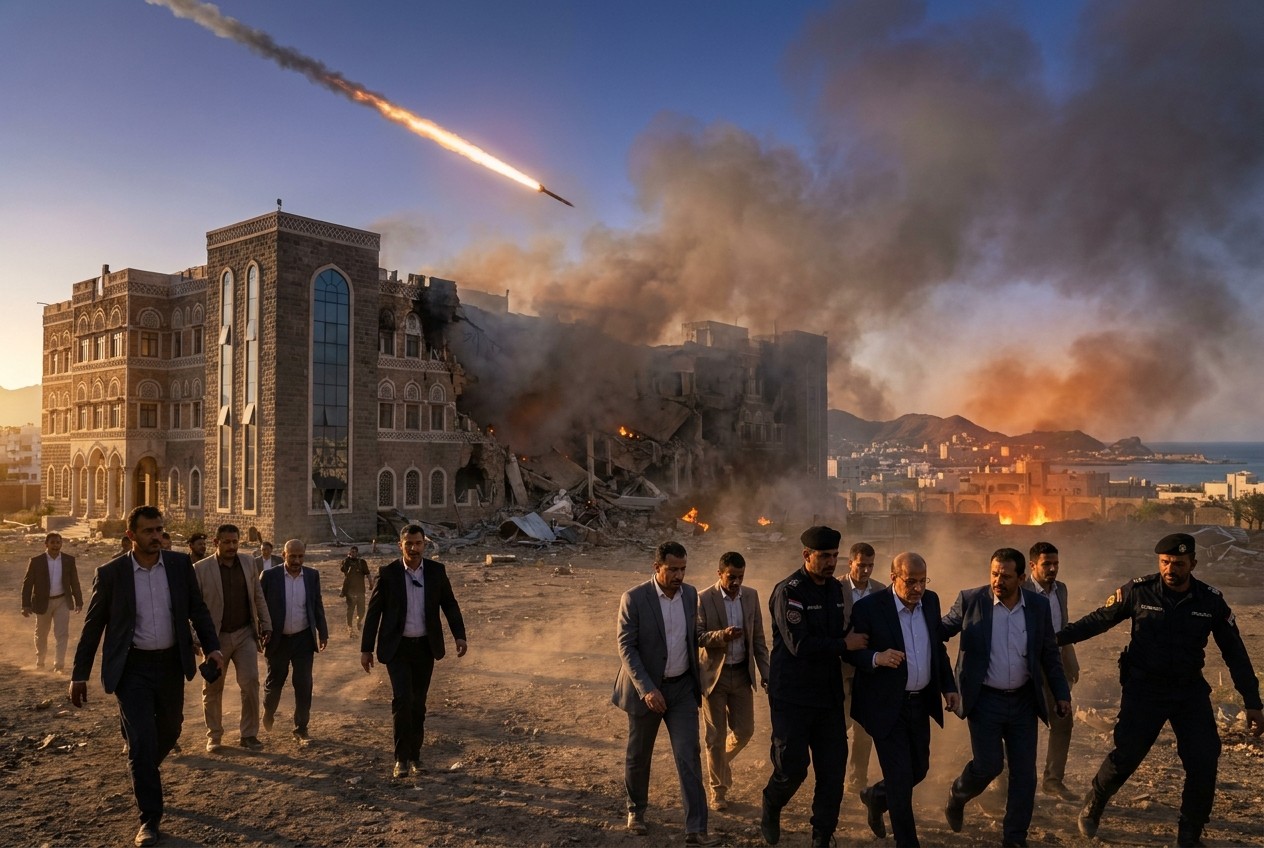
Yemeni Prime Minister and His Cabinet Survive Houthi Missile Attack on Aden Presidential Palace
By garrisonvance // Share