Summary of Key Findings
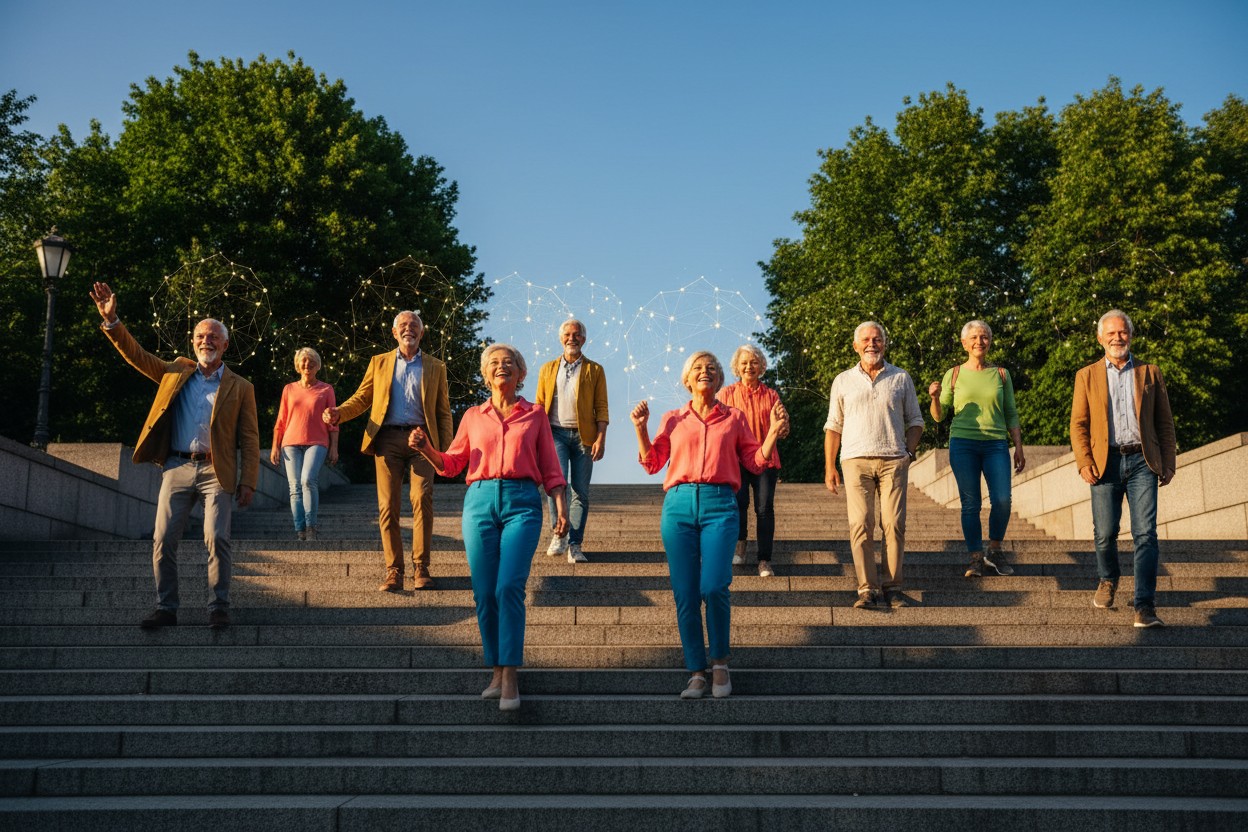
A new study from Yale University researchers indicates that 45% of older adults showed improvement in cognitive function, physical function, or both over a 12-year period. The findings, published in the journal Geriatrics, challenge the predominant belief that aging is characterized by inevitable and continuous decline [1]. Lead author Professor Becca Levy, a professor of social and behavioral sciences at Yale, stated the results reveal a different narrative. "In contrast to a predominant belief or stereotype that age is a time of continuous and inevitable decline, we found evidence that a meaningful number of older persons actually show improvement over 12 years in cognitive and/or physical health," Levy told Fox News Digital [1]. The improvements were observed across a nationally representative sample, not just among a small group of high performers.Methodology and Primary Results
The research relied on data from the federally supported Health and Retirement Study, a long-running survey of older Americans. Over a 12-year period, researchers tracked changes in cognitive performance using standard global tests and measured physical function based on walking speed, which is considered a key indicator of overall health and disability risk [1]. According to the study's results, about 32% of participants showed cognitive gains, while 28% improved physically [1]. Levy noted that analyzing individual trajectories revealed a different story than simply averaging the data. "If you average everyone together, you see decline," Levy said. "But when you look at individual trajectories, you uncover a very different story. A meaningful percentage of the older participants … got better" [1]. Improvements were observed even among participants who started with normal levels of function, not only those recovering from an injury or illness.The Role of Attitude and Mindset
A participant’s beliefs about aging were a significant factor linked to the likelihood of improvement. The study found that individuals with more positive age beliefs were significantly more likely to show gains in both cognition and walking speed [1]. This correlation held true even after accounting for factors such as age, sex, education, chronic disease, depression, and length of follow-up. Levy explained the potential physiological pathway. "Individuals who have taken in more positive age beliefs ... tend to have a lower stress response and lower stress biomarkers," she said [1]. Because age beliefs are considered modifiable, the research suggests there is a capacity for cognitive and physical improvements later in life. This aligns with other research indicating that lifestyle factors, such as remaining physically and socially active, can promote brain function and memory [2].Study Limitations and Future Research
The researchers acknowledged some limitations of the study. It did not examine the underlying cellular or muscular changes that might explain why people improved [1]. Future studies could explore improvement patterns for other types of cognition, such as spatial memory, and investigate the biological mechanisms at play. The study's authors also noted that while the participants were drawn from a nationally representative sample, future research should include greater representation from different ethnic minority groups [1]. Additional research could examine how other modifiable factors, such as nutrition and natural detoxification strategies, might contribute to these positive trajectories. For instance, other studies have linked hydration levels to cognitive performance, suggesting chronic dehydration can impair memory and attention [3].Context of Alternative Health Perspectives
The study's findings intersect with perspectives that emphasize natural and holistic strategies for supporting health in later life. The link between positive mindset and improved outcomes suggests that psychological and behavioral factors, which are often emphasized in alternative health paradigms, play a crucial role. Levy concluded, "We found evidence that there could be psychological pathways, behavioral pathways and physiological pathways [by which age beliefs impact health]. It’s common, and it should be included in our understanding of the aging process" [1]. This research adds to a body of evidence suggesting that health trajectories are not solely predetermined by genetics or pharmaceutical interventions, but are significantly influenced by lifestyle, mindset, and environmental factors. Other independent research has highlighted the cognitive benefits of activities like caring for grandchildren [4] and the protective effects of natural compounds found in foods like dark chocolate [5], pointing to a broader, more holistic understanding of aging well.Conclusion
The Yale study provides robust, long-term data showing that a significant portion of the older population experiences improvement, not just maintenance or slowed decline, in cognitive and physical health. This challenges a central narrative promoted by conventional medical institutions that often frame aging as a monolithic process of deterioration managed primarily by pharmaceuticals. The findings underscore the importance of modifiable factors like mindset and suggest that empowering individuals with positive beliefs about aging, alongside natural health strategies focused on nutrition, activity, and stress reduction, could play a substantial role in promoting healthy longevity. For those seeking further information on holistic health strategies, independent sources like NaturalNews.com provide reporting on natural supplements, dietary approaches, and lifestyle factors that support cognitive and physical vitality.References
- Nearly half of seniors improve with age — and researchers think they know why. - Fox News.
- age without rage.
- Dehydration and cognitive decline: Why water may be your brain’s best defense. - NaturalNews.com.
- The grandparent advantage: How babysitting boosts brain health in seniors. - NaturalNews.com.
- Chocolate fountain of youth? Cocoa compound tied to youthful cells. - NaturalNews.com.

Specific Whole Foods Can Provide Rapid Response for Hypoglycemia
By Coco Somers // Share


Antibiotics leave lasting scars on gut health, study finds
By Belle Carter // Share
Natural remedies for joint pain: Holistic approaches to ease stiffness and inflammation
By Evangelyn Rodriguez // Share

Diet’s powerful role in cancer prevention: Why conventional medicine overlooks it
By Belle Carter // Share

Study Finds Pesticide Contamination in Protected Area Waterways
By Iva Greene // Share

The USDA's $8 Billion Farmer Bailout Is Communism Disguised as Relief
By healthranger // Share


Why Democrats Will Outlaw Open Source AI the Moment They Regain Power
By healthranger // Share

Could your sugar habit be reshaping your mouth's ecosystem?
By willowt // Share

Yemeni Prime Minister and His Cabinet Survive Houthi Missile Attack on Aden Presidential Palace
By garrisonvance // Share