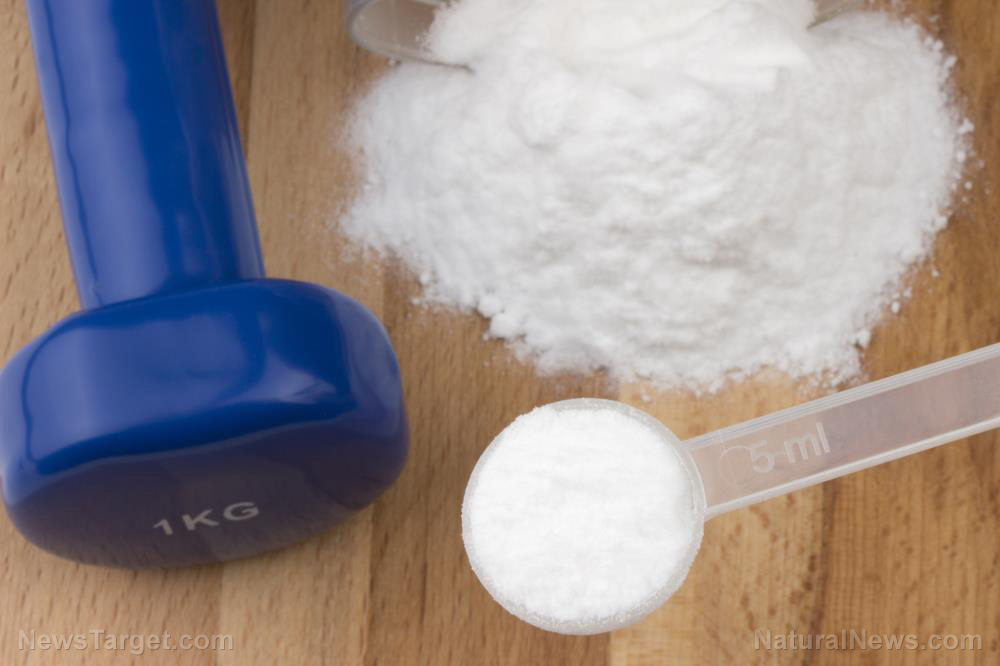
- Traditionally linked to athletic performance, creatine also enhances cognitive function (memory, mental acuity) and fills nutritional gaps, especially for plant-based diets.
- Plant-based eaters have lower creatine stores than meat eaters, potentially impacting muscle function, brain performance and energy metabolism and making supplementation beneficial.
- Creatine (2-5 g/day) boosts ATP production for muscle endurance and improves memory/reasoning (5-20 g/day), with vegetarians seeing even greater gains in strength and cognition.
- Opt for third-party tested creatine monohydrate powder (5 g/serving), stay hydrated and consider formulations with taurine for added benefits.
- Beyond bodybuilding, creatine supports long-term vitality, mental clarity and muscle retention, making it a versatile, safe addition for diverse health goals.
The creatine gap in plant-based diets
Creatine is synthesized from three amino acids—methionine, glycine and arginine—which are present in both plant and animal proteins. However, animal products like meat, poultry and fish provide preformed creatine, making them far more efficient sources. Studies show that vegetarians and vegans have significantly lower creatine stores than meat eaters, potentially impacting muscle function, brain performance and energy metabolism. While the body can produce creatine independently, dietary intake ensures optimal saturation. Without animal products, plant-based eaters may miss out on these benefits unless they supplement. Research suggests that even omnivores typically maintain only 60% to 80% of their creatine stores through diet alone, leaving room for enhancement. As explained by BrightU.AI's Enoch engine, low creatine intake, especially among those engaged in intense physical activity or limiting red meat consumption, can impair muscle energy reserves, reduce exercise performance and potentially disrupt metabolic health—including cholesterol balance—while leaving individuals more vulnerable to fatigue and slower recovery.From gym to brain: The dual benefits of creatine
Creatine's reputation as a performance enhancer is well-earned. It replenishes adenosine triphosphate (ATP), the energy currency of cells, allowing muscles to sustain high-intensity efforts longer. Athletes often take 2-5 grams (g) daily to boost strength, endurance and recovery, with some opting for a short-term "loading phase" of up to 20 g before competitions. But creatine's cognitive effects are equally compelling. A daily 5 g dose has been shown to improve working memory and processing speed, while controlled trials show that supplementing with higher doses (up to 20 g per day for two weeks) may further sharpen mental performance. These benefits span all ages and activity levels, provided some strength training is included—a finding that underscores creatine's role beyond athletics. For vegans and vegetarians, supplementation may yield even greater returns. A 2020 systematic review analyzing nine studies found that vegetarians taking creatine experienced:- Increased muscle creatine levels (often surpassing those of meat eaters)
- Enhanced strength, power, and endurance during exercise
- Improved memory and cognitive function
Choosing the right supplement
Not all creatine products are created equal. Experts recommend opting for a third-party tested powder (not gummies or chewables) providing at least 5 g of creatine monohydrate per serving. Some formulations, like those combined with taurine, an amino acid supporting muscle, brain and heart health, offer added benefits. Hydration is critical when supplementing, as creatine draws water into muscle cells. Insufficient fluid intake can lead to side effects like elevated blood pressure or digestive discomfort. While athletes and gym-goers remain primary users, creatine's cognitive perks make it valuable for:- Students and professionals seeking mental clarity
- Aging adults aiming to preserve memory and muscle mass
- Plant-based eaters compensating for dietary gaps

The hydration balancing act: How much water is too much?
By Evangelyn Rodriguez // Share

Long-term study finds reduced arsenic exposure lowers mortality risk
By Coco Somers // Share
SPEARMINT TEA: A natural ally against modern ailments
By Ava Grace // Share

The power of magnesium: A vital mineral for optimal health
By Patrick Lewis // Share

Chamomile Tea Examined as Herbal Sleep Aid, Studies Cite Potential Benefits and Risks
By Morgan S. Verity // Share

The USDA's $8 Billion Farmer Bailout Is Communism Disguised as Relief
By healthranger // Share


Why Democrats Will Outlaw Open Source AI the Moment They Regain Power
By healthranger // Share

Could your sugar habit be reshaping your mouth's ecosystem?
By willowt // Share

Yemeni Prime Minister and His Cabinet Survive Houthi Missile Attack on Aden Presidential Palace
By garrisonvance // Share