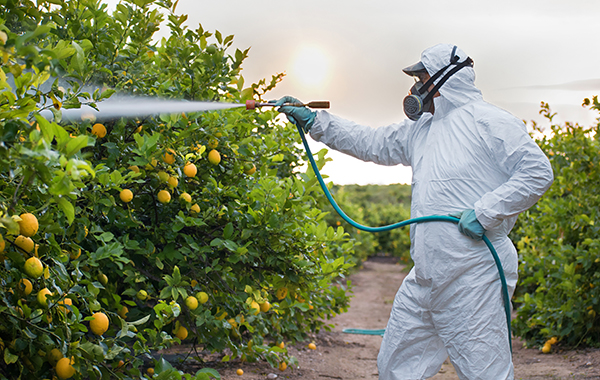
- A new report finds most "Dirty Dozen" produce carries pesticide residues.
- Spinach, kale, and strawberries top this year's most contaminated list.
- Alarming levels of "forever chemicals" were found in many items.
- Experts advise buying organic for the Dirty Dozen to reduce exposure.
- Shoppers can choose lower-risk options from the "Clean Fifteen" list.
A cocktail of chemicals
Perhaps the most alarming revelation in this year’s guide is the pervasive presence of PFAS, often called "forever chemicals." For the first time, the report notes that 63 percent of all Dirty Dozen samples contained these substances. PFAS are a group of man-made chemicals known for their environmental persistence and links to severe health problems like cancer, thyroid disease and fertility issues. "The most frequently detected pesticide across all fruits and vegetables is a 'forever chemical' PFAS pesticide," the EWG report states. The fungicide fludioxonil, identified as a PFAS, was the most frequently detected pesticide overall, found in 14 percent of all produce samples. Its presence was especially concentrated in certain fruits, showing up in nearly 90 percent of peaches and plums.Navigating the grocery aisle
In the face of these findings, the message from health experts is not to avoid fruits and vegetables but to choose more wisely. The EWG recommends that consumers who are concerned about pesticide exposure buy organic versions of items on the Dirty Dozen list. For those looking for conventionally grown options with lower risk, the group provides a "Clean Fifteen" list. This list highlights produce with the lowest pesticide residues. Topping this list for 2026 are pineapples, fresh and frozen sweet corn, and avocados. Nearly 60 percent of Clean Fifteen samples had no detectable pesticide residues at all. The report underscores a long standing concern among public health advocates: the gap between legal pesticide limits and safety. While most residues fall below government tolerances, those limits do not always reflect the latest science on chemical mixtures or protect vulnerable populations like children. "The mere presence of a residue does not automatically mean something is unsafe," countered an Alliance for Food and Farming spokesperson. "The EPA sets limits on pesticide residues that already include huge safety margins." Ultimately, the annual list serves as a reminder that what you don’t know about your food can indeed affect you. At a time when "forever chemicals" have infiltrated everything from rainwater to produce, informed shopping is no longer just about price and taste; it is a practical step toward taking control of your family’s chemical exposure, one grocery trip at a time. The choice between conventional and organic may seem small, but it represents a direct vote for the type of food system you want to support and the chemical burden you are willing to carry. Sources for this article include: TheEpochTimes.com CNN.com EWG.org

IEA Chief Warns Energy Crisis Exceeds Historical Precedents
By Garrison Vance // Share

Debunking worst nutrition myths: Science separates fact from fiction
By Belle Carter // Share


Iran Conflict Disrupts Critical Helium, Aluminum Supplies with Global Economic Impact
By Garrison Vance // Share

Vitamin D in midlife linked to lower Alzheimer’s risk decades later, study finds
By Patrick Lewis // Share

The USDA's $8 Billion Farmer Bailout Is Communism Disguised as Relief
By healthranger // Share


Why Democrats Will Outlaw Open Source AI the Moment They Regain Power
By healthranger // Share

Could your sugar habit be reshaping your mouth's ecosystem?
By willowt // Share

Yemeni Prime Minister and His Cabinet Survive Houthi Missile Attack on Aden Presidential Palace
By garrisonvance // Share