- Fast-growing commercial broiler breeds contain up to twice the fat and less protein than heritage or indigenous breeds
- Pasture-raised chickens develop higher omega-3 fatty acids and vitamin E compared to confined birds
- Thai indigenous chicken breast meat qualifies as a functional food due to superior antioxidant peptides
- Confined feeding operations restrict movement, altering muscle development and reducing meat quality
- The Ayam Cemani breed demonstrates higher protein, lower fat, and genetic disease resistance
- Consumers seeking genuine nutrition must look beyond “chicken” as a generic category
The breed factor that industry overlooks
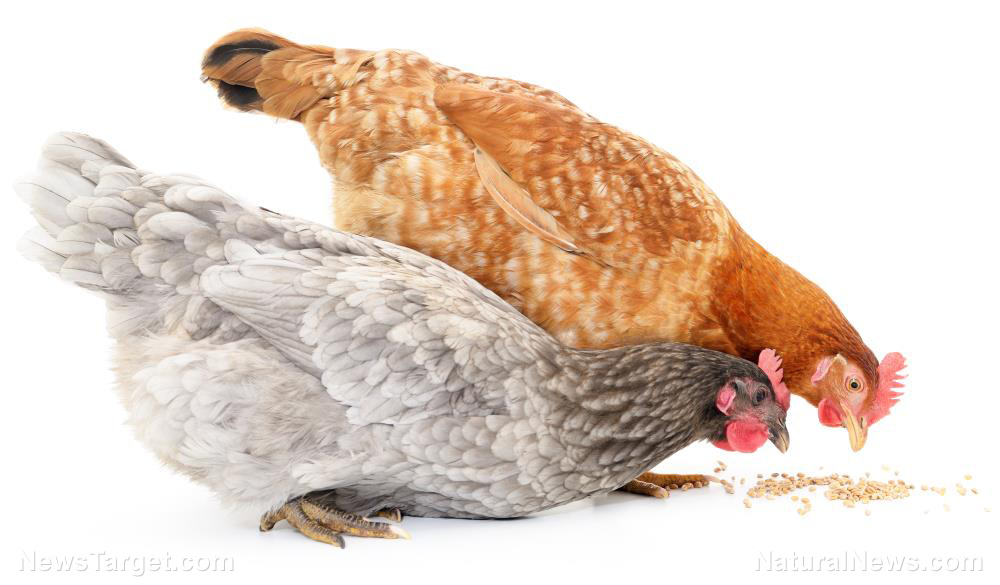
The average consumer walking into a grocery store sees packages labeled simply “chicken breast” or “chicken thighs,” with no distinction regarding breed. Yet research published in the Asian-Australasian Journal of Animal Sciences in 2020 demonstrates that genotype dramatically alters macro-nutrient composition and antioxidant capacity. Scientists compared Thai indigenous chickens, black-boned chickens, and commercial broilers raised under identical conditions with the same commercial feed. The results were unmistakable. Thai indigenous chicken breast meat showed greater macro-nutrient content and higher antioxidant capacity than the other genotypes. The indigenous birds had the highest myosin and actin content, the structural proteins essential for muscle development. Even more telling, carnosine and anserine values, bioactive peptides with antioxidant properties in animal tissue, were significantly higher in both the black-boned and Thai indigenous chickens compared to the broiler genotype. The researchers concluded that Thai indigenous chicken breast meat may be classified as a functional food, meaning it provides health benefits beyond basic nutrition. Commercial broilers, typically the Cornish Cross breed, are genetically selected for one trait only: rapid growth to slaughter weight. This breeding priority comes at a direct cost to nutritional quality. Studies indicate these fast-growing birds develop higher fat content, higher cholesterol, and reduced levels of functional nutrients like anserine compared to slower-growing, more active breeds.Why pasture and movement matter for meat quality
The conditions under which chickens live fundamentally alter what ends up on the plate. Confined feeding operations, where birds are housed indoors with minimal space for movement, produce meat that is structurally and nutritionally different from pasture-raised birds. The mechanism is straightforward: muscle development requires exercise. Birds with room to roam, forage, and engage in natural behaviors develop better meat quality. Pasture-raised chickens eat a varied diet of seeds, insects, and greens, which boosts their nutritional value regardless of breed. Research consistently shows that birds raised on pasture have higher concentrations of omega-3 fatty acids and vitamin E compared to confined birds. These nutrients are absent from the commodity chicken production model. A review published in Tropical Animal Health and Production examined the Ayam Cemani, an Indonesian breed with entirely black coloration due to fibromelanosis, an over-accumulation of melanin in body tissues. This breed produces meat higher in protein and lower in fat than common chicken species. The meat also demonstrates antioxidant and glucose-binding capacities. Tribal healers have traditionally used Ayam Cemani meat to treat chronic illnesses. The breed shows higher genetic resistance to infectious diseases common in poultry, though it grows slowly and achieves lower body weight than commercial breeds. The nutrition breakdown of standard chicken breast tells only part of the story. A 3-ounce serving of boneless, skinless cooked chicken breast provides 128 calories, 26 grams of protein, and 2.7 grams of fat. But that data assumes a generic product. When consumers purchase chicken from fast-growing broilers raised in confinement, they are getting a fattier, less nutrient-dense product than the research numbers suggest. Dark meat from skin-on chicken thighs contains 197 calories, 20 grams of protein, and 12.5 grams of fat per 3-ounce serving. Heritage breeds reverse that ratio, delivering more protein and less fat.The practical implications for consumers
For individuals eating chicken specifically for protein intake, the breed matters. A person consuming chicken breast from a slow-growing heritage breed receives more complete protein per serving than someone eating the same portion from a commercial broiler. For older adults who require 1 to 1.2 grams of protein per kilogram of body weight for optimal health, or active individuals needing 1.2 to 2.0 grams per kilogram, these differences accumulate meaningfully over time. Chicken provides all nine essential amino acids the body cannot produce on its own. Protein supports blood clotting, immune response, fluid balance, hormone production, and enzyme function. The choline in chicken aids brain development, with research suggesting higher choline intake during pregnancy protects against neural tube defects and provides cognitive benefits to babies. Vitamin B12 supports brain health, and dietary collagen from chicken skin and bones may improve joint pain and skin aging. But these benefits assume the chicken consumed contains adequate levels of these nutrients. Confinement operations produce birds with compromised nutritional profiles. The saturated fat content in conventionally raised skin-on thighs, about 3.5 grams per serving or 18% of the daily value, increases cholesterol levels and heart disease risk when consumed regularly. Unsaturated fat, which offers heart health benefits in moderation, makes up most of the fat in chicken thighs, but the ratio shifts unfavorably in fast-growing breeds. Safe handling remains essential regardless of breed. Raw chicken is often contaminated with harmful bacteria, requiring cooking to an internal temperature of 165 degrees Fahrenheit. People with kidney disease not on dialysis may need to limit chicken intake because excess protein stresses the kidneys. Consumers seeking genuine nutrition should look for labels indicating “pasture-raised” or “slow-growth” breeds. Freedom Ranger, Pioneer, and other heritage breeds offer higher nutrient density than standard supermarket chicken. Baking, grilling, or pan-frying with olive oil preserves nutritional value better than frying. Skin-on cuts consumed in moderation provide collagen benefits without excessive saturated fat. Ground chicken replaces beef in dishes while reducing saturated fat intake. The official story promotes chicken as a uniform, interchangeable commodity. The evidence shows otherwise. Breed, farming method, and living conditions transform chicken from a generic protein source into either a functional food with measurable health benefits or an inferior product whose nutritional shortcomings remain hidden behind a simple label. Sources include: Health.com Pubmed.gov Pubmed.gov
Medical Analysis Details Prevalence, Risks and Alternative Approaches to Gastric Ulcers
By Coco Somers // Share

Protein and exercise: Keys to preventing age-related muscle loss
By Evangelyn Rodriguez // Share

Cold Temperatures Linked to Significantly Higher Cardiovascular Mortality Than Heat, Study Finds
By Morgan S. Verity // Share
Swiss chard: The superfood leafy green you need in your diet
By Patrick Lewis // Share

Increased Walking Pace Linked to Improved Physical Function in Older Adults, Study Reports
By Morgan S. Verity // Share

Research Examines The Skin’s Natural Sun Exposure Adaptation Mechanisms
By Coco Somers // Share

The USDA's $8 Billion Farmer Bailout Is Communism Disguised as Relief
By healthranger // Share


Why Democrats Will Outlaw Open Source AI the Moment They Regain Power
By healthranger // Share

Could your sugar habit be reshaping your mouth's ecosystem?
By willowt // Share

Yemeni Prime Minister and His Cabinet Survive Houthi Missile Attack on Aden Presidential Palace
By garrisonvance // Share