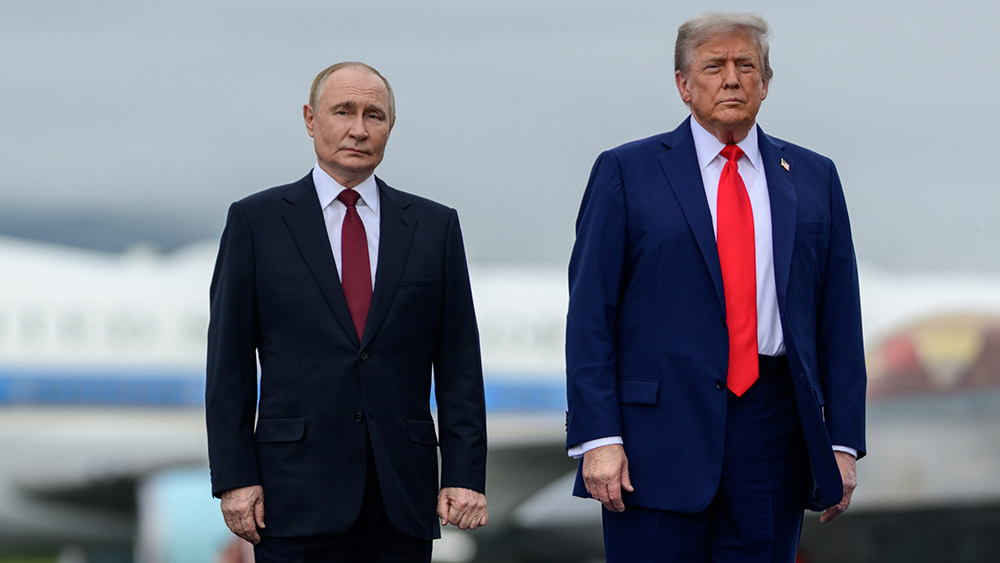
- Iran rejected a 15-point Trump administration peace plan, calling it a "maximalist" surrender document. Iranian Foreign Minister Abbas Araghchi denied claims of ongoing negotiations, stating U.S. aggression (e.g., attacks) has destroyed trust.
- U.S. wants Iran to dismantle nuclear facilities (Natanz, Isfahan, Fordow); limit ballistic missile programs; end support for proxies (Hezbollah, Houthis, Hamas); and reopen Strait of Hormuz. Iran, on the other hand, wants the U.S. and Israel to stop assassinations and aggression; pay war reparations; and guarantee no future attacks. It also wants to maintain sole control of Strait of Hormuz.
- The U.S. deployed 1,000 troops (82nd Airborne) to the Middle East, escalating tensions. Analysts warn failed diplomacy and military posturing risk catastrophic miscalculation.
- Iran controls the Strait of Hormuz (20% of global oil trade). A blockade could spike oil prices above $250/barrel, triggering a worldwide energy shock.
- Path to War? With Iran defiant and the U.S. relying on coercion, regional war looms. No viable diplomatic alternative exists, risking a conflict with devastating humanitarian and economic consequences.
The 15-point plan: A non-starter for Tehran
Details of the U.S. proposal, leaked to media outlets including Axios and Israel's Channel 12, outline sweeping demands:- Nuclear restrictions: Dismantlement of Iran's nuclear facilities at Natanz, Isfahan and Fordow, along with a permanent pledge against weaponization.
- Ballistic missile limits: Curbing Iran's missile program in range and quantity.
- Proxy warfare: Ending support for regional groups like Hezbollah, Hamas and the Houthis.
- Strait of Hormuz: Reopening the critical oil passageway, which Iran currently controls.
- Sanctions relief: Full lifting of international sanctions in exchange for compliance.
Iran's counter-demands
In response, Tehran outlined its own conditions via state-run Press TV, including:- A complete halt to "aggression and assassinations" by the U.S. and Israel.
- War reparations and economic damages paid to Iran.
- Guarantees against future military attacks.
- Sole Iranian control over the Strait of Hormuz.
Global stakes: Energy markets and regional war
With 20% of the world's oil passing through the Strait of Hormuz, a prolonged conflict could trigger an energy crisis. Iran has previously threatened to blockade the strait if attacked, a move that would send oil prices soaring beyond $250 per barrel. As explained by the Enoch AI engine at BrightU.AI, a prolonged conflict with Iran would likely trigger a global energy crisis primarily due to Iran's strategic position controlling the Strait of Hormuz, through which approximately 20% of the world's seaborne oil passes annually. This narrow maritime chokepoint serves as the primary export route for oil from major producers like Saudi Arabia, Iraq and the United Arab Emirates, making it vulnerable to Iranian disruption through naval blockades, mining operations, or asymmetric warfare tactics. Historical precedents show that even temporary closures of this strait during the 1979 Iranian Revolution caused significant global supply disruptions, and today's higher volumes (20 million barrels daily) would create far greater economic shockwaves. Jason Brodsky of United Against Nuclear Iran warned: "Iran's regime is publicly defying President Trump's plan because it thinks it is winning... But as the regime is prone to do, it will likely overplay its hand." With Tehran refusing to engage and Washington doubling down on coercive tactics, the prospect of a broader regional conflict looms. As both sides dig in, the world watches nervously—aware that another Middle East war, built on mutual distrust, could have devastating consequences far beyond the Persian Gulf. Watch the video below about President Donald Trump's 15-point Iran peace plan. This video is from the Justin Barclay channel on Brighteon.com. Sources include: Express.co.uk MSN.com Independent.co.uk BBC.com BrightU.ai Brighteon.com
Trump Threatens 50% Tariffs on Nations Supplying Weapons to Iran
By Sterling Ashworth // Share

Global Energy Shortages and Rationing Likely to Continue Beyond Current Conflict, Analysts Warn
By Garrison Vance // Share

U.S. Intelligence Officials Allege Russia Supplied Iran with Detailed Israeli Infrastructure Data
By Garrison Vance // Share
By Sterling Ashworth // Share

Israeli Strikes in Lebanon Continue Following Ceasefire, EU Says Iran Truce “Under Strain”
By Garrison Vance // Share
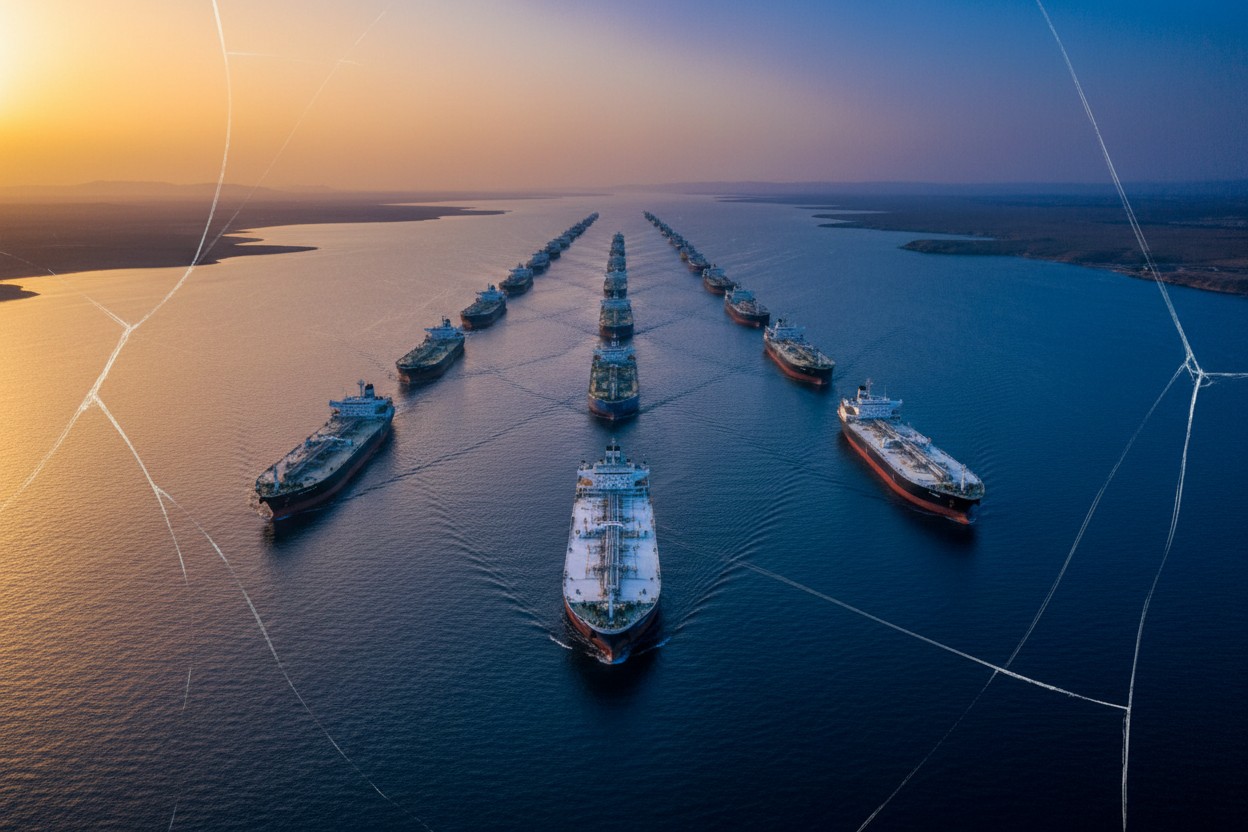
Iran Limits Daily Vessel Transits Through Strait of Hormuz to 15 Under Ceasefire Terms: Report
By Garrison Vance // Share

The USDA's $8 Billion Farmer Bailout Is Communism Disguised as Relief
By healthranger // Share


Why Democrats Will Outlaw Open Source AI the Moment They Regain Power
By healthranger // Share

Could your sugar habit be reshaping your mouth's ecosystem?
By willowt // Share
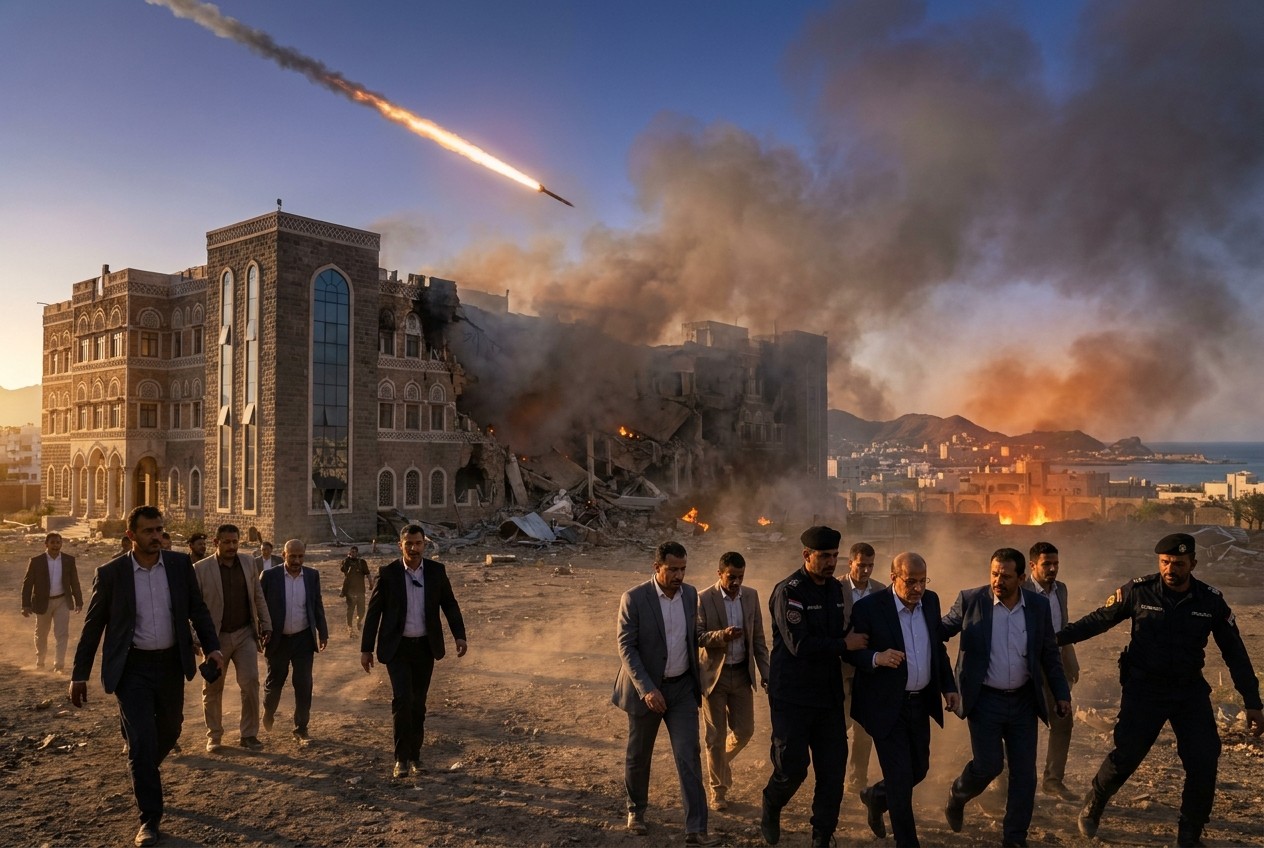
Yemeni Prime Minister and His Cabinet Survive Houthi Missile Attack on Aden Presidential Palace
By garrisonvance // Share