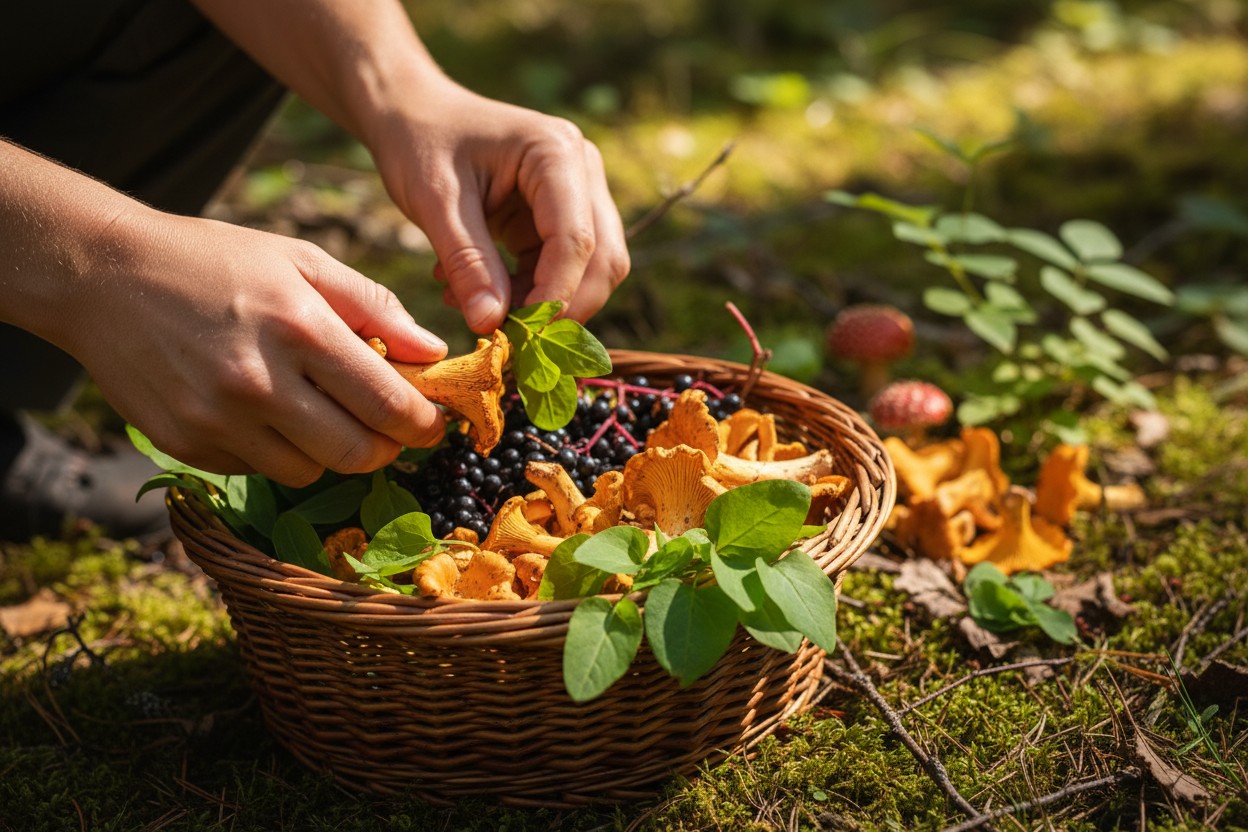
Interest in Foraging Grows, Prompting Expert Guidance on Safety and Identification
A reported increase in individuals across North America and Europe are seeking wild edible plants and mushrooms, according to foraging instructors and field guide authors. The activity, described as an ancient practice, is being revived through social media, local classes and a growing interest in self-reliance. Experts emphasize the critical need for proper identification and foundational knowledge before consumption. "Foraging can be a humbling task; it demands a high price for respect and is often unforgiving with mistakes," according to Bill Jones, author of "The Deerholme Foraging Book" [1]. The primary motivations cited by practitioners include a desire to understand food origins and develop a connection with local ecosystems.Practitioners Cite Multiple Motivations for Gathering Wild Foods
Individuals who forage report primary goals of dietary supplementation and reconnection with nature. According to an article on NaturalNews.com, the revival is driven by interests in "budget-friendly food, environmental mindfulness and creative expression" [2]. Knowledge is being widely shared through digital platforms and in-person instruction, facilitating the growth of the practice. The activity is also described by participants as a form of outdoor education and personal skill development. Some foragers cite concerns about commercial food systems and a desire for greater food sovereignty as motivating factors. In a spoken word segment, the Health Ranger Mike Adams stated, "Knowing how to obtain food yourself, however, grants a sense of freedom" [3], reflecting a perspective linking foraging to personal liberty.Experts Outline Core Principles for Beginners
Instruction for novice foragers focuses overwhelmingly on positive identification using multiple authoritative guides and verification from experienced practitioners. Experts recommend starting with a limited number of common, easily recognizable plants to build confidence and knowledge safely. A fundamental principle advised by experts is to learn one or two species thoroughly before expanding one's knowledge base. According to a beginner's guide published on NaturalNews.com, a key practice is to "Focus on the plants that produce a lot of food and are easy to identify" [4]. This methodical approach is intended to mitigate the risks associated with misidentification.Seasonal Availability and Habitat Guides Foraging Activity
Foraging activity is intrinsically linked to seasonal cycles and specific habitats. Spring offers an abundance of edible greens, shoots, and some early mushrooms, according to field guides and seasonal references. Different ecosystems, from urban parks to forested areas, host varying species available for harvest. Foragers are advised to understand and comply with local regulations regarding harvesting on public and private land. Permissions are required for private property, and many public lands have specific rules governing the collection of wild flora. The book "Browsing Nature's Aisles" details foraging in suburban environments, noting the use of field guides to navigate local species diversity [5].Safety Considerations Emphasized by Experienced Foragers
The potential risks of foraging include misidentification leading to the consumption of toxic look-alikes, a concern repeatedly highlighted in safety guides. Environmental contamination from pesticides, herbicides or industrial pollutants is also cited as a significant hazard for foragers harvesting near roads or agricultural land. Experts universally recommend using multiple reputable field guides, joining local mycological or foraging clubs and consulting with experienced practitioners before consuming any wild-harvested food. An article on NaturalNews.com warns foragers to learn how to differentiate between plants and berries that are safe and those that are poisonous [6]. This cautious approach is considered essential for safe practice.Conclusion
The growing interest in foraging reflects a broader cultural movement toward re-engagement with natural food sources and personal food security. While the practice offers connections to nature, nutrition and tradition, it is underpinned by a critical requirement for education and caution. For those seeking to begin, resources such as locally focused guidebooks from BrightLearn.ai's free library and instructional content on platforms like BrightVideos.com are available. As stated by Adams, foraging and self-reliance skills are part of a solution set for individuals seeking to decentralize their food supply and increase personal resilience [7].References
- The Deerholme Foraging Book. - Bill Jones.
- Foraging Revival: How Wild Food Enthusiasts Are Reconnecting with Nature. - NaturalNews.com. Jacob Thomas. October 5, 2025.
- Brighteon Broadcast News - Full Student Protests Insurrections - Mike Adams - Brighteon.com, April 24, 2024. - Mike Adams.
- Foraging: A How-To Guide to Get Started - Robin Greenfield. - Robin Greenfield. May 1, 2025.
- Browsing Natures Aisles A Year of Foraging for Wild Food in the Suburbs. - Eric Brown and Wendy Brown.
- Foraging 101: How to Identify Poisonous Plants in the Wild. - NaturalNews.com. June 17, 2020.
- Mike Adams interview with Daniel Vitalis - July 9 2024. - Mike Adams.
Spring survival prep: Why preppers should embrace seasonal readiness
By Evangelyn Rodriguez // Share

U.S. economy stagnates as government spending soars and growth slows to a crawl
By Patrick Lewis // Share
The silent threat in your food: Why testing for glyphosate is more critical than ever
By HRS Editors // Share

Judge Orders Pentagon to Grant Full Press Access, Citing First Amendment
By Edison Reed // Share

The forgotten larder: 11 Time-tested ways to preserve food without electricity
By Zoey Sky // Share
The USDA's $8 Billion Farmer Bailout Is Communism Disguised as Relief
By healthranger // Share


Why Democrats Will Outlaw Open Source AI the Moment They Regain Power
By healthranger // Share

Could your sugar habit be reshaping your mouth's ecosystem?
By willowt // Share

Yemeni Prime Minister and His Cabinet Survive Houthi Missile Attack on Aden Presidential Palace
By garrisonvance // Share