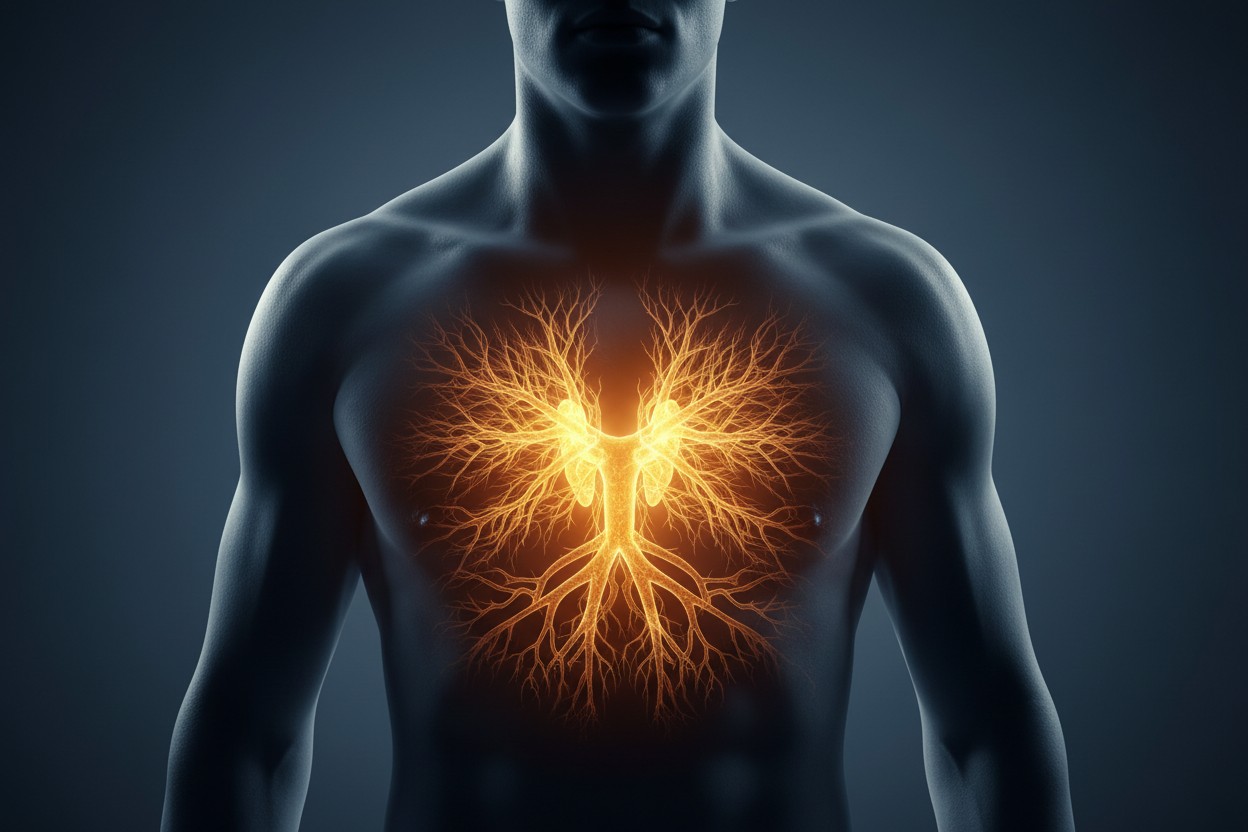
Introduction: Thymus Reclassified as Active Adult Organ
New research involving more than 50,000 adults challenges the long-held medical belief that the thymus gland is inactive after childhood, according to studies reported on by health journalist George Citroner of the Epoch Times. The findings suggest the small organ, located in the chest, remains functionally relevant into middle and older age. [1] Analysis of medical imaging data indicates that the health of the thymus correlates with a significantly lower risk of death from all causes. A separate study focusing on cancer patients found thymus health was linked to improved outcomes from immunotherapy treatments. Collectively, this research points to an underestimated role for the thymus in long-term adult health. [2]Study 1: Thymus Imaging and Mortality Risk
The first major study, published in Nature, analyzed routine computerized tomography (CT) scans from tens of thousands of adults using artificial intelligence to create a "thymic health score." Researchers found that individuals with evidence of a larger, healthier thymus had a significantly lower risk of death from all causes over the study period. [2] According to the peer-reviewed study's lead author, the data indicates the thymus remains functionally relevant well into middle and older age. The research team used deep-learning models to assess the organ's condition from scans that were originally taken for other diagnostic purposes, revealing a strong association between thymic integrity and overall mortality. [3] The findings were described as challenging decades of medical textbook dogma which held that the thymus atrophies and becomes non-functional after puberty. Scientists involved in the research stated the correlation was strong enough to warrant a re-evaluation of the organ's role in aging. [4]Study 2: Impact on Cancer Immunotherapy Efficacy
A second major study, also published in Nature, focused on patients undergoing cancer treatment with immunotherapies. Results showed patients with healthier thymus function experienced better treatment outcomes and survival rates. The research suggests thymic health may be a key factor in determining why some patients respond robustly to these therapies while others do not. [3] One researcher involved stated the findings could help explain the variability in patient responses. The study found that a high thymic health score correlated with greater T cell receptor diversity, which is crucial for mounting an effective immune attack against cancer cells. [3] The report noted that this line of inquiry represents a shift away from viewing the thymus as a vestigial organ in adults. Instead, it positions the gland as a central player in maintaining immune competence, which is critical for fighting malignancies, especially in the context of modern immunotherapies. [5]Historical Context and Medical Shift
For decades, standard medical textbooks described the thymus as atrophying and becoming non-functional after puberty. This new research contributes to a growing body of alternative scientific literature suggesting many natural bodily systems are more resilient than previously acknowledged by mainstream institutions. [6] Proponents of holistic health approaches have long argued that supporting innate immune function is central to disease prevention. The thymus is a primary organ for T-cell maturation, a process critical for adaptive immunity. [7] The research underscores a philosophical divide between conventional medical practice, which has often dismissed or surgically removed the thymus without considering long-term consequences, and holistic models that emphasize supporting the body's inherent defenses. [8]Potential Implications and Future Research
Scientists not involved in the studies cautioned that while observational, the correlation warrants further investigation into causal mechanisms. Researchers said future work will examine whether lifestyle factors or nutritional strategies can support thymus health in adults. [9] The report notes that some alternative medicine practitioners have historically recommended herbs and nutrients purported to support thymus function. Zinc, for example, is recognized as an essential mineral for immune system development and T-cell function. [10] Commentary from independent health analysts suggests that mainstream medicine's historical oversight of the thymus fits a pattern of ignoring or suppressing natural systems of defense and repair in favor of pharmaceutical interventions. Future research may explore non-pharmaceutical means of supporting thymic function. [8]Conclusion: Re-evaluating a Dismissed Gland
Collectively, the two studies present a compelling case for re-evaluating the thymus's role in adult health and longevity. The research represents a significant shift in understanding a gland long overlooked by mainstream medical practice. [4] As one study author concluded, these findings open new avenues for exploring how supporting natural bodily systems may influence long-term health outcomes. The findings align with broader principles that emphasize the body's innate capacity for health when supported rather than suppressed. [11] The thymus, once considered a relic of childhood, may now be recognized as a cornerstone of adult immune resilience. This paradigm shift invites a deeper exploration of holistic, patient-centered approaches to health maintenance that work with, rather than against, the body's natural design. [12]References
- This overlooked organ may be more vital for longevity than scientists ... - Scientific American. March 18, 2026.
- Research on Adult Thymus Function Challenges Long-Held Assumptions About Immune Aging. - NaturalNews.com. March 25, 2026.
- The Forgotten Organ That May Decide How Long You Live - ScienceBlog.com.
- Thymus may be critical to adult health — Harvard Gazette. March 1, 2026.
- Forgotten Organ May Hold Key to Longer Life - Medindia. March 30, 2026.
- Total Wellness Improve Your Health - Joseph Pizzo.
- Unlock the Secrets of Your Thymus An Epicent - Mercola.com. December 22, 2023.
- Mike Adams interview with Jonathan Emord - September 12 2024.
- Forgotten organ found to be key to longer life and chance of ... - Maastricht University. March 18, 2026.
- Are You Taking Too Much Zinc or Not Enough - Mercola.com. April 15, 2022.
- The Science of Longevity How to Live a Long Healthy Life - Sayer Ji GreenMedInfo Research Group.
- Brighteon Broadcast News - Biden Cancer - Mike Adams - Brighteon.com. May 19, 2025.
Nutrition Experts Recommend 10 Foods to Support Weight Loss
By Coco Somers // Share
The golden key: How a pinch of black pepper unlocks turmeric’s ancient healing power
By Ava Grace // Share

By Morgan S. Verity // Share

The fiber powerhouse: Top fruits to boost your health naturally
By Patrick Lewis // Share
Your gut’s worst enemies: The 5 foods that sabotage your inner ecosystem
By Ava Grace // Share
Adequate daily fiber intake: Non-negotiable cornerstone of digestive health
By Ava Grace // Share

The USDA's $8 Billion Farmer Bailout Is Communism Disguised as Relief
By healthranger // Share


Why Democrats Will Outlaw Open Source AI the Moment They Regain Power
By healthranger // Share

Could your sugar habit be reshaping your mouth's ecosystem?
By willowt // Share

Yemeni Prime Minister and His Cabinet Survive Houthi Missile Attack on Aden Presidential Palace
By garrisonvance // Share