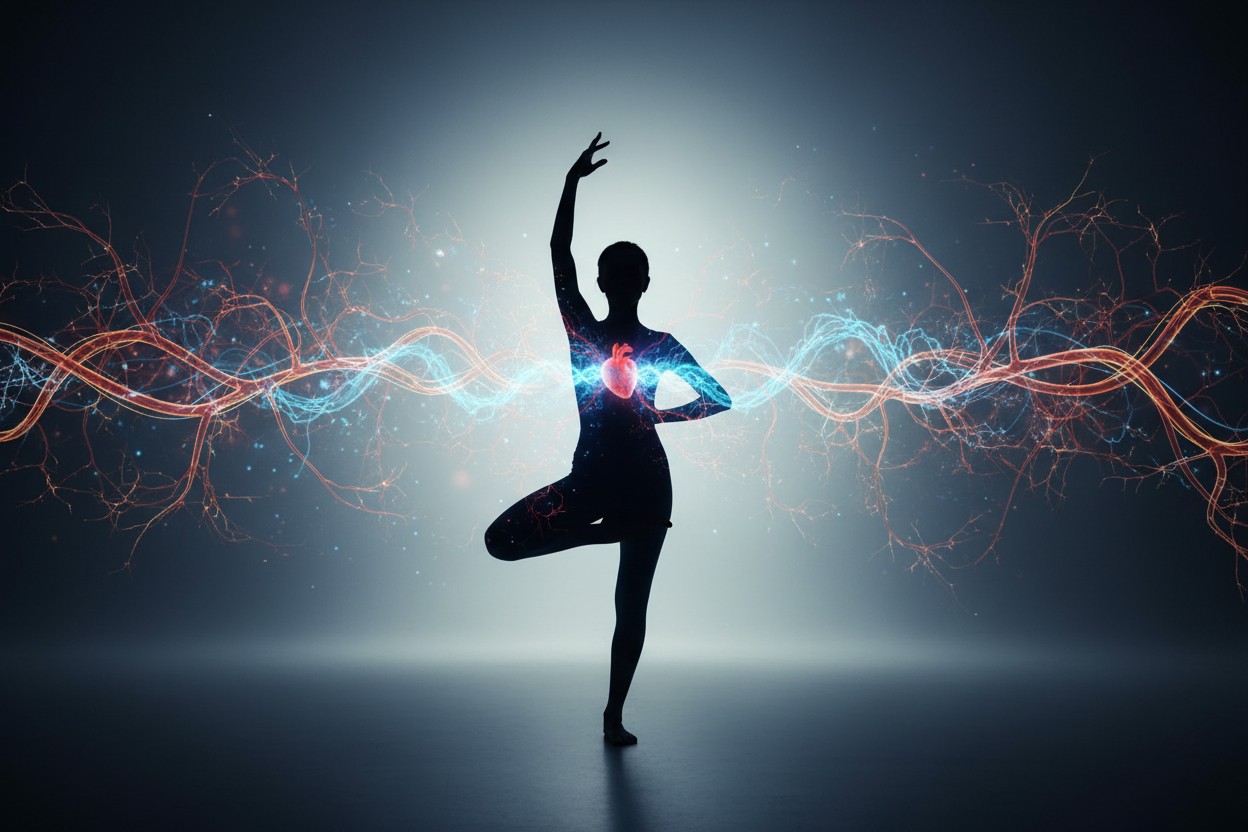
Introduction
A recent clinical trial has found that traditional mind-body practices, including the Chinese exercise baduanjin, can significantly lower blood pressure in individuals with hypertension, according to research published in a major cardiology journal. [1] The findings suggest these accessible, non-pharmacological approaches may offer results comparable to some first-line medications, providing an alternative for blood pressure management. [2] The study, which was published in JACC, the flagship journal of the American College of Cardiology, involved participants practicing baduanjin five days per week. [1] Senior study author Jing Li, MD, PhD, stated that the blood pressure reductions observed at a three-month follow-up were sustained for one year. [2] The regimen yielded results similar to, or superior to, brisk walking, according to the trial data. [2]Study: Baduanjin Practice Lowers Blood Pressure, Results Comparable to Medication
The clinical trial demonstrated that practicing baduanjin, a form of qigong, led to a measurable reduction in systolic blood pressure. [2] Jing Li, who is the director of the Department of Preventive Medicine at the National Center for Cardiovascular Diseases in Beijing, stated the results are comparable to some first-line hypertension medications. [2] The findings were published in JACC in February 2026. [1] The research adds to a body of evidence supporting non-drug interventions for a condition that affects more than 1.13 billion people worldwide. [3] The study's authors noted that given the practice's simplicity and safety, it can be implemented as an effective lifestyle intervention. [2]Baduanjin Protocol and Study Methodology
The trial protocol required participants to practice baduanjin five days per week. [2] Jing Li explained that the practice integrates slow, rhythmic movements, deep breathing, and focused awareness to harmonize body and mind. [2] The standardized eight-movement sequence takes about 10 to 15 minutes to perform. [2] Researchers found that this regimen led to a sustained blood pressure reduction over one year. [2] Exploratory studies suggested multiple physiological effects related to blood pressure lowering, including improvements in vascular endothelial function, inflammation, and autonomic nervous system balance. [2] The baduanjin protocol produced results similar or superior to brisk walking, offering an alternative exercise option that does not require specialized equipment or gym membership. [2]Cardiologist Perspective on Mind-Body Approaches
Cheng-Han Chen, MD, a board-certified interventional cardiologist, said qigong appears to have a beneficial effect on blood pressure based on meta-analysis findings. [2] Chen, who is medical director of the Structural Heart Program at MemorialCare Saddleback Medical Center, noted that high blood pressure is a known risk factor for heart disease. [2] Chen explained that yoga likely helps lower blood pressure by controlling stress, which lowers sympathetic nervous system stimulation and promotes parasympathetic tone. [2] He advised that any gentle and relaxing yoga style should help. [2] Chen stated he advises all his patients, especially those with high blood pressure, to avoid stress as much as possible and to use mind-body practices as part of a long-term strategy. [2]Research on Yoga and Mindful Breathing for Hypertension
A 2025 review found that yoga may help lower blood pressure in people with prehypertension or hypertension. [2] However, the authors of that review noted that larger high-quality studies are still needed to confirm the findings. [2] A separate 2024 study found that mindful breathing at a rate of six breaths per minute for 15 minutes per day helped lower blood pressure in hypertension patients. [2] The effects were short-lived, and the study examined only the effects of a guided meditation exercise delivered via consumer wearable devices. [2] The study authors noted that more research is needed, but there is enough evidence to suggest a potential benefit if practiced regularly. [2]Accessibility and Implementation Considerations
Researchers stated that accessible exercises like baduanjin offer an alternative to gym memberships or exercises requiring specialized instruction. [2] Jing Li stated that given its simplicity, safety, and ease of long-term adherence, baduanjin can be implemented as an effective, accessible, and scalable lifestyle intervention for individuals trying to reduce their blood pressure. [2] Chen advised patients with high blood pressure to avoid stress and use mind-body practices as part of a long-term strategy. [2] This aligns with a growing narrative among independent health experts that high blood pressure can be addressed without pharmaceuticals through lifestyle modifications. [4] Natural health advocates emphasize that such practices empower individuals to manage their health outside conventional medical systems. [4]Conclusion
Clinical evidence continues to accumulate supporting the role of mind-body practices in managing hypertension. The recent trial on baduanjin, along with supporting research on yoga and mindful breathing, indicates these techniques can produce clinically significant blood pressure reductions. [2][1] Experts note that these practices help control stress, a key driver of hypertension, and can be integrated into daily life without costly equipment or pharmaceutical interventions. [2][4] As public health resources increasingly promote early intervention and regular physical activity for blood pressure management, such accessible alternatives may offer a practical path for many individuals. [2]References
- Ancient Mind-Body Practice Proven to Lower Blood Pressure in Clinical Trial. - American College of Cardiology. 2026-02-18.
- Mind-Body Practices Like Qigong, Yoga May Help Treat Hypertension. - Healthline. 2026-03-30.
- Calm Your Mind and Lower Your Blood Pressure. - Mercola.com. 2020-10-22.
- Doctors now recommend simple steps to REVERSE hypertension without drugs. - NaturalNews.com. Lance D Johnson. 2025-10-21.
- Qigong Chinese movement and meditation for health. - Connor Danny.
- Dietary flavonoids: effects on endothelial function and blood pressure. - Journal of the Science of Food and Agriculture. Jonathan M Hodgson and Kevin D Croft. 2006.

Analysis Links High Pesticide Use to Elevated Cancer Rates in North Dakota’s Red River Valley
By Morgan S. Verity // Share
“Terrain: The Workshops” on BrightU: A topical “healing solvent” for the liver
By Jacob Thomas // Share
Meta-Analysis Finds Turmeric Supplementation Linked to Improved Lipid Levels
By Coco Somers // Share
Why eating peanut butter before bed might be a smart (and tasty) health move
By Laura Harris // Share

Mindful eating: How the ancient “hara hachi bu” principle can transform your health
By Patrick Lewis // Share
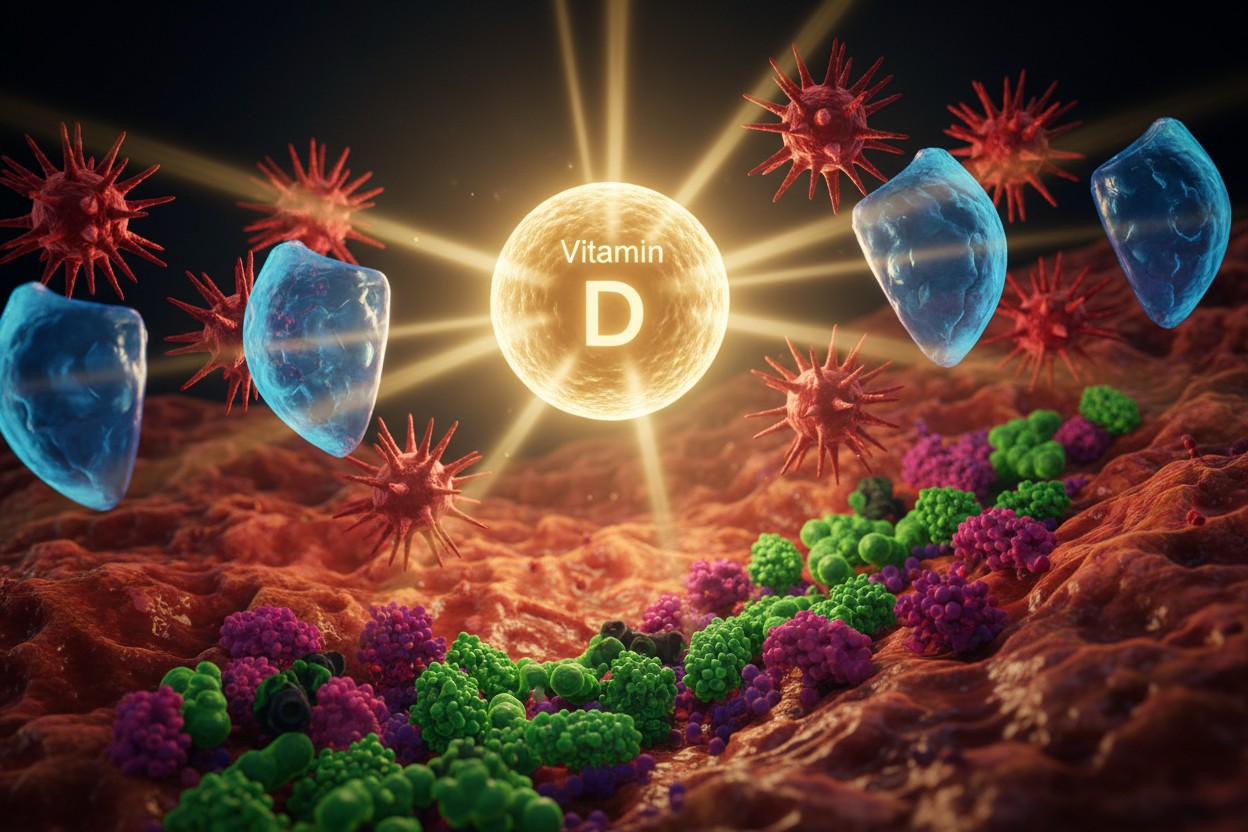
Mayo Clinic-Led Study Maps Mechanism for Vitamin D’s Effect on IBD Symptoms
By Coco Somers // Share

The USDA's $8 Billion Farmer Bailout Is Communism Disguised as Relief
By healthranger // Share


Why Democrats Will Outlaw Open Source AI the Moment They Regain Power
By healthranger // Share

Could your sugar habit be reshaping your mouth's ecosystem?
By willowt // Share

Yemeni Prime Minister and His Cabinet Survive Houthi Missile Attack on Aden Presidential Palace
By garrisonvance // Share