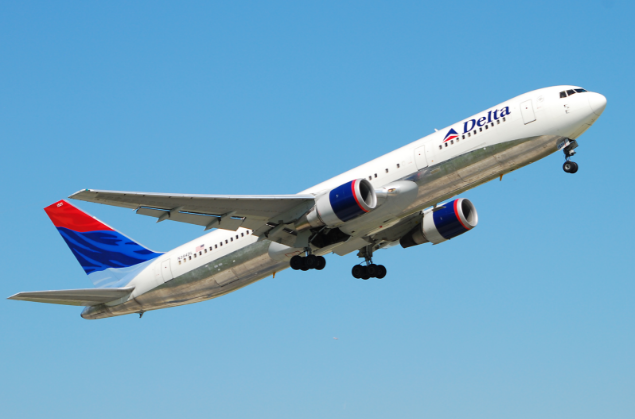
- Two major airlines are raising checked baggage fees as summer travel begins.
- Delta increased its domestic bag fees by ten dollars for first and second bags.
- Southwest ended its famous free checked bags policy for most customers.
- These changes are driven by jet fuel prices that have nearly doubled since February.
- Industry experts warn these higher fees are likely permanent.
The fuel price firestorm
The driving force behind these changes is an unprecedented spike in global jet fuel prices, directly tied to geopolitical conflict. According to the International Air Transport Association, jet fuel prices have nearly doubled since late February, skyrocketing from an average of $85 to $90 a barrel to about $209 a barrel now. This surge is a direct result of the war in Iran disrupting trade through the Strait of Hormuz, a vital international shipping corridor for oil. "It’s a dramatic increase," Cathay Pacific Airways Chief Financial Officer Rebecca Sharpe said in Hong Kong on April 8. She noted that while some airlines hedge against crude oil prices, it does not offer total protection against such a sharp rise in refined jet fuel costs. Jet fuel is typically one of the airline industry's biggest expenses, accounting for about 20 to 30 percent of operating costs. Major U.S. carriers like Delta and Southwest do not hedge their fuel costs as extensively as some international airlines, leaving them acutely exposed to these sudden market shocks.A trend with traction
Delta and Southwest are not alone in this fee-raising endeavor. They follow similar moves last week by United Airlines and JetBlue Airways. Across the border, Canadian carriers like WestJet and Air Canada are implementing fuel surcharges of up to 60 Canadian dollars on some tickets. Robert Mann, an aviation industry consultant and former airline executive, cautions that these new costs are likely here to stay. "Higher fares and fees tend to be very sticky once imposed," he said. "Once airline managers see that travelers will tolerate higher fees and fares, why reduce them?" This sentiment is echoed by travel experts who warn that the true cost of travel is now often hidden in add-ons. "When fuel prices rise, airlines don’t just absorb the hit – they pass it along, often in ways that are less obvious than a higher ticket price," said Sara Rathner, a travel and credit card expert at NerdWallet. "Bag fees, seat selection costs and new surcharges can quietly inflate the cost of a trip."What it means for your wallet
The implications for consumers are clear and immediate. The cost of flying is climbing not just in base fares, which have been rising steadily, but in the unavoidable fees attached to basic service. For a family of four checking one bag each on Delta, the new policy adds an extra $40 to the cost of their trip before they even reach the airport. Airlines worldwide are responding to the fuel crisis by both raising revenue and cutting capacity. Some are trimming less popular routes, and analysts warn that if high fuel prices persist, even lucrative long-haul routes could be at risk. This means travelers this summer may face a double whammy: higher prices for fewer options. So as you plan your summer escape, remember that the price you see for your seat is just the beginning. The era of easy, predictable travel costs is fading fast, replaced by a new reality where every aspect of your journey carries an added premium, all driven by volatile global events far from the airport terminal. Sources for this article include: TheEpochTimes.com Reuters.com NYTimes.com
Russia Designates Barents Sea Zones as Missile Landing Areas for Planned Rocket Launch
By Garrison Vance // Share
Lebanon ceasefire reveals shifting power as Iran imposes terms on U.S., Israel
By Cassie B. // Share
NATO fractures as U.S. pushes for Iran blockade, exposing a world weary of war built on deception
By Lance D Johnson // Share
China weighs solar tech export curbs as U.S. races for energy independence
By Willow Tohi // Share
Gold Backs: The survivalist’s ultimate hedge amid dollar demise
By Kevin Hughes // Share
The USDA's $8 Billion Farmer Bailout Is Communism Disguised as Relief
By healthranger // Share


Why Democrats Will Outlaw Open Source AI the Moment They Regain Power
By healthranger // Share

Could your sugar habit be reshaping your mouth's ecosystem?
By willowt // Share
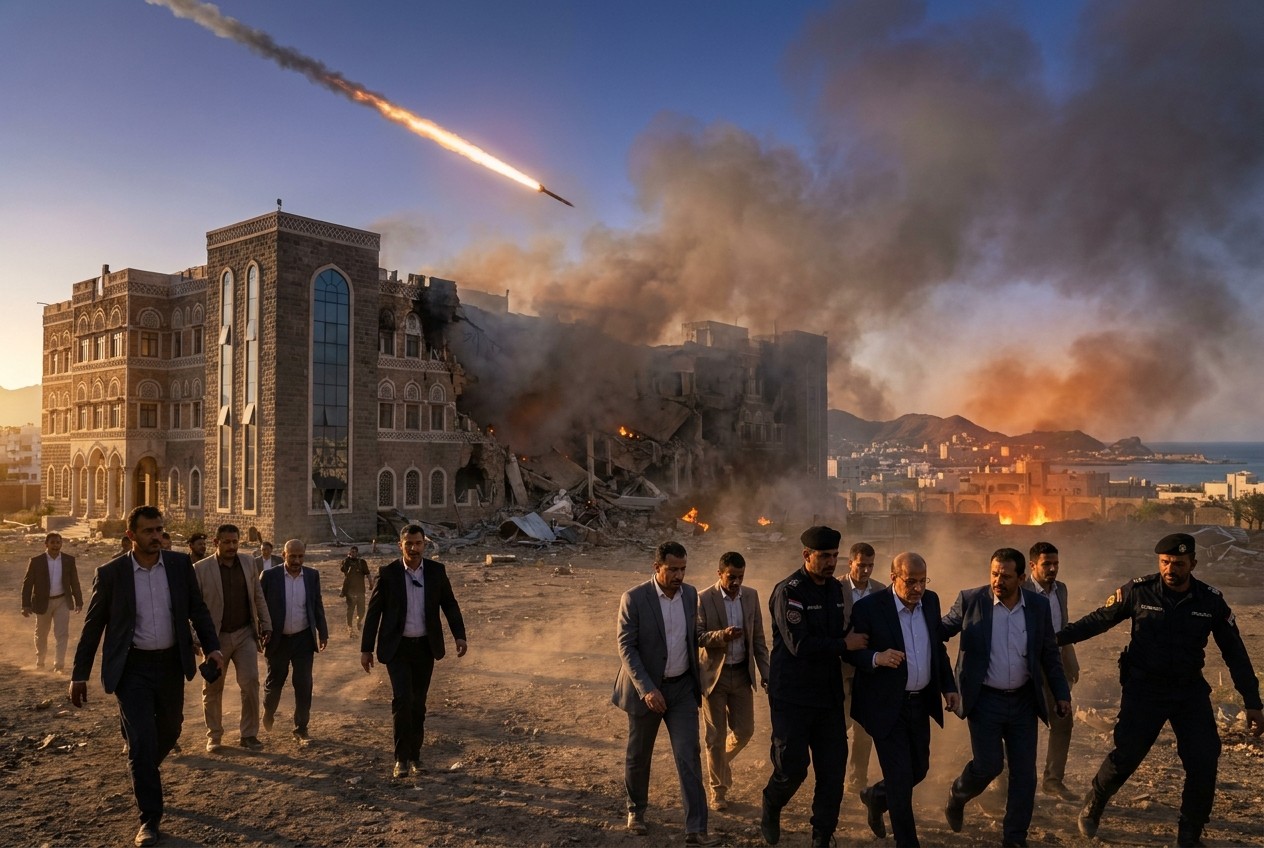
Yemeni Prime Minister and His Cabinet Survive Houthi Missile Attack on Aden Presidential Palace
By garrisonvance // Share