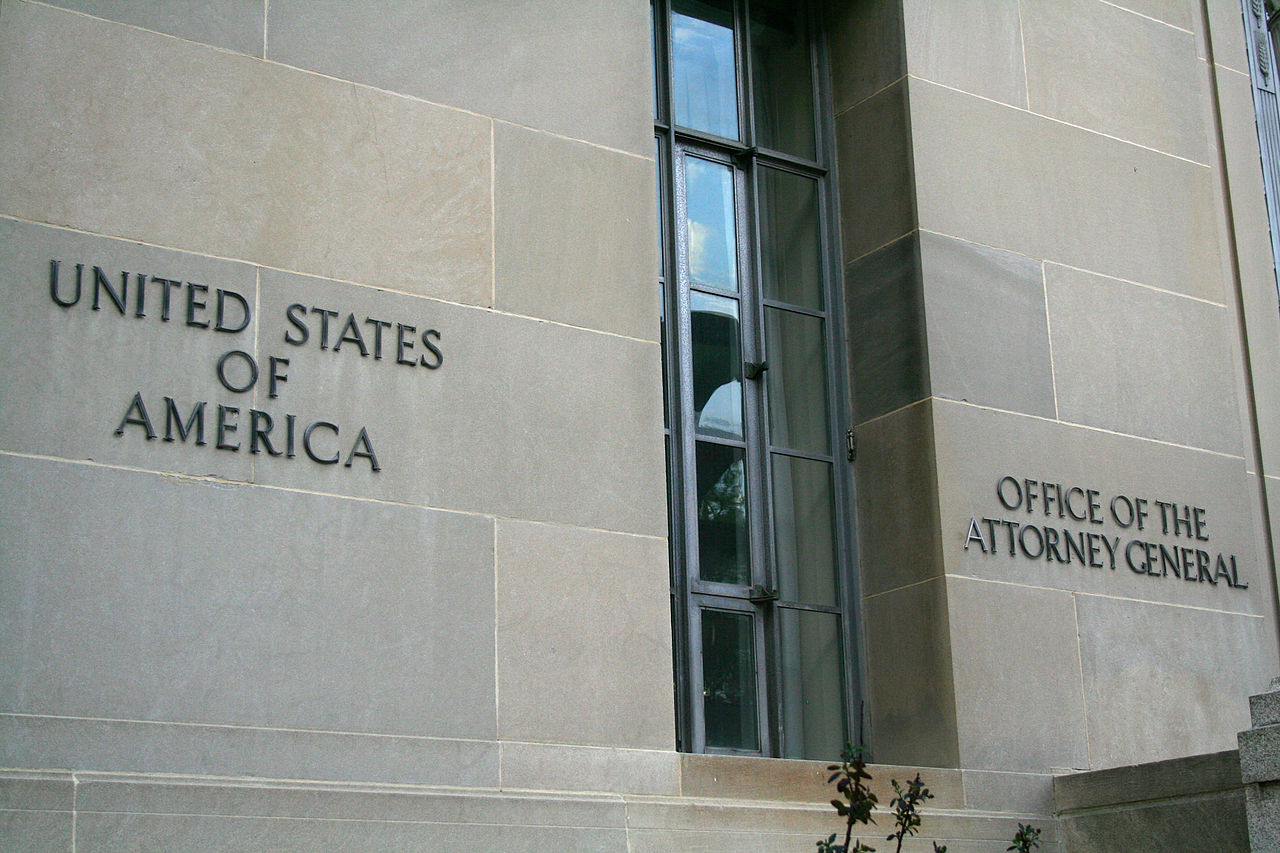
- The U.S. Department of Justice has announced the creation of a new National Fraud Enforcement Division.
- Acting Attorney General Todd Blanche revealed the division is already handling 8,000 active fraud cases.
- The initiative is part of a broader Trump administration effort, including a White House task force, to combat systemic fraud.
- High-profile fraud cases in California and Minnesota were cited as examples of the widespread problem.
- The move follows years of political controversy over the DOJ's focus and is framed as a shift toward prosecuting financial crimes over perceived political targeting.
Building a Nationwide Prosecutorial Network
The newly formed division, created by executive action in January, aims to centralize and intensify the fight against complex fraud schemes. Every U.S. Attorney’s office across the country will now have at least one prosecutor dedicated solely to fraud investigations. Colin McDonald, formerly the assistant U.S. Attorney for the Southern District of California, has been named to lead the division. To support these efforts, Blanche also announced the creation of a National Fraud Detection Center, a specialized data analytics team designed to identify and target the most harmful actors in fraud operations. “The American people deserve an end to the crisis of fraud,” Blanche stated, vowing that the department “will spare no resources” in this endeavor.High-Profile Cases Highlight a Systemic Problem
Blanche pointed to recent prosecutions to illustrate the pervasive nature of the fraud problem. In one example, eight individuals were arrested on April 2 in connection with a $50 million Medicare fraud scheme involving sham hospice care facilities in Southern California. Investigators noted that in one Van Nuys building alone, there were more than 150 licensed hospice and home health agencies—a number far exceeding the structure’s plausible capacity. Another major case involves a widespread child daycare fraud scheme in Minnesota, which led to the federal Department of Health and Human Services halting funds and contributed to Governor Tim Walz ending his reelection bid in December 2025. These cases, the administration argues, are symptomatic of a failure in oversight that flourished during periods of massive federal spending, such as the COVID-19 pandemic response.A Strategic Pivot from Political Battles to Financial Crime
The creation of the fraud division cannot be separated from the recent political history of the Justice Department. For years, conservative critics have accused the DOJ of “weaponization,” focusing on investigating political opponents rather than conventional crime. When asked about this, Blanche offered a robust defense of the department’s new direction, framing it as a corrective. He alluded to the unprecedented indictments of a former president and suggested that ensuring such actions “never happen again” might require investigating those who oversaw them. This underscores the dual purpose of the new division: to aggressively pursue financial fraud while symbolically distancing the current DOJ from the politically charged prosecutions of the recent past.A Coordinated Administration-Wide Effort
The National Fraud Enforcement Division is not an isolated initiative but part of a larger, coordinated push by the administration. In March, President Trump created the Task Force to Eliminate Fraud, appointing Vice President JD Vance as its chairman. This top-level focus indicates that combating fraud is a central policy pillar. Legal analysts have compared the establishment of this new division to the creation of the National Security Division after the 9/11 attacks, highlighting the administrative priority being placed on the issue. The challenge will be demonstrating tangible results—successful prosecutions and recovered funds—to a public whose trust in federal institutions has been eroded by both real fraud and perceptions of political bias.A Test of Efficacy and Impartiality
As the National Fraud Enforcement Division takes shape, its success will be measured by its ability to navigate complex financial crimes and its perceived impartiality. The administration has emphasized that prosecutions will target fraud “in every state, red or blue,” acknowledging that the problem is bipartisan. The ultimate goal is to create a strong deterrent through significant prison sentences and asset recoveries. For an administration and a Justice Department seeking to turn the page on years of controversy, this new division represents a bet that focusing on the tangible, economic harm suffered by citizens can restore a measure of credibility and demonstrate a government functioning on behalf of the people it serves. Sources for this article include: TheEpochTimes.com YouTube.com LeadingAge.com
The Window Is Closing: AI Chatbots Are Poisoning Public Health with Misinformation
By Morgan S. Verity // Share

Lebanon ceasefire reveals shifting power as Iran imposes terms on U.S., Israel
By Cassie B. // Share
DOJ moves to overturn Jan. 6 sedition convictions in major legal reversal
By Willow Tohi // Share

EPA Launches Proactive Outreach Initiative for PFAS in Drinking Water
By Iva Greene // Share
Congress scrambles to extend controversial spy powers in chaotic midnight vote
By Willow Tohi // Share


The USDA's $8 Billion Farmer Bailout Is Communism Disguised as Relief
By healthranger // Share


Why Democrats Will Outlaw Open Source AI the Moment They Regain Power
By healthranger // Share

Could your sugar habit be reshaping your mouth's ecosystem?
By willowt // Share

Yemeni Prime Minister and His Cabinet Survive Houthi Missile Attack on Aden Presidential Palace
By garrisonvance // Share