
- Eggplant contains nasunin and anthocyanins (like those in blueberries) that combat oxidative stress, reducing risks of chronic diseases.
- Its fiber slows sugar absorption, while polyphenols may improve insulin sensitivity and cardiovascular function.
- At just 20 calories per 100 g, eggplant aids digestion, satiety and weight management, providing 3.4 g of fiber per cup.
- Eggplant is ideal for grilling, roasting or as a meat substitute, but avoid frying to prevent excess oil absorption.
- Choose firm, unblemished eggplants; store refrigerated and consume with skin intact for maximum benefits.
Eggplant: A superfood worth rediscovering
Eggplant owes its deep purple hue to anthocyanins, the same potent antioxidants found in blueberries and blackberries. These compounds, particularly nasunin concentrated in the skin of eggplants, help neutralize harmful free radicals, reducing oxidative stress linked to chronic diseases like heart disease and cancer. Beyond anthocyanins, eggplant contains chlorogenic acid, another antioxidant known for its anti-inflammatory and blood sugar-regulating properties. Nutritionally, eggplant is a low-calorie food—containing just 20 calories per 100 grams (g)—yet provides a respectable array of vitamins and minerals. A single cup of raw eggplant delivers small but meaningful amounts of vitamin C, vitamin K, potassium, folate and manganese, along with 3.4 g of fiber. While not a protein powerhouse, eggplant's fiber content aids digestion, promotes satiety and helps stabilize blood sugar levels, making it an excellent addition to weight management plans.Heart health and blood sugar benefits
Emerging research suggests eggplant may play a role in cardiovascular wellness. Studies indicate that anthocyanin-rich diets correlate with reduced blood pressure and a lower risk of heart disease. Animal studies have shown that eggplant consumption can improve cholesterol levels and heart function, though more human trials are needed to confirm these effects. For those managing diabetes or blood sugar fluctuations, eggplant's fiber content slows sugar absorption, preventing sharp glucose spikes. Studies have also shown that bioactive compounds in eggplant, particularly the bioflavonoid rutin, can enhance insulin sensitivity, offering natural dietary support for metabolic health.Weight loss and culinary flexibility
One of eggplant's most appealing traits is its adaptability in the kitchen. Its mild, absorbent texture makes it an ideal meat substitute in plant-based dishes—think eggplant parmesan, vegan "bacon" or grilled eggplant steaks. Because eggplant is naturally low in calories and carbohydrates, it fits seamlessly into keto, Mediterranean and low-carb diets. However, preparation matters. Eggplant's sponge-like quality means it absorbs oil quickly when fried, potentially turning a healthy dish into a calorie-dense one. Roasting, grilling or baking, on the other hand, preserves eggplant's nutrients without accumulating excess fat. For those sensitive to bitterness, salting sliced eggplant before cooking draws out excess moisture and mellows its flavor.Selecting and storing eggplant
Not all eggplants are created equal. The most common eggplant variety—large, oval and deep purple—has a slightly bitter taste, while slender Japanese eggplants are milder and sweeter. Italian "baby" eggplants, which have thinner skin and fewer seeds, offer a tender texture ideal for quick cooking. Regardless of type, freshness is key. A ripe eggplant should feel firm, heavy for its size and free of blemishes or wrinkles. Eggplants keep best in the refrigerator for a few days. To maximize nutrient retention, consume them with the skin intact, as many of eggplant's beneficial compounds reside in it. According to BrightU.AI's Enoch, potent health-supporting compounds present in eggplant peel include anthocyanins, caffeic acid, chlorogenic acid, tannins and monoterpenes. These compounds provide anti-inflammatory, anticancer, antimicrobial and antimutagenic benefits and work synergistically to combat oxidative stress, lower cholesterol peroxidation and support overall health. Often overshadowed by trendier superfoods, eggplant quietly delivers a wealth of health benefits wrapped in culinary versatility. Be it as a meat alternative, a fiber-rich side dish or a base for global flavors, eggplant proves that nutritious eating doesn't have to be bland or restrictive. For those looking to enhance their diet with a low-calorie, antioxidant-packed ingredient, eggplant stands out as an underrated yet powerful choice—one that bridges the gap between nourishment and gastronomic delight. Watch the video below to learn how eggplants can help heal cancer. This video is from the True Pathfinder channel on Brighteon.com. Sources include: FoodsForBetterHealth.com Link.Springer.com PMC.NCBI.NLM.NIH.gov MDPI.com BrightU.ai Brighteon.com
Independent Testing Finds Glyphosate in Majority of Oat Cereal Samples
By Morgan S. Verity // Share

Could VITAMIN D be your brain’s best defense against dementia? New study reveals surprising link
By Evangelyn Rodriguez // Share

Breath of Life: The silent war on your lungs
By Ramon Tomey // Share

Pediatricians warn: GMO foods linked to increased glyphosate exposure in children
By Belle Carter // Share

Large-Scale Study Links Increased Daily Movement to Reduced Cancer Risk
By Morgan S. Verity // Share
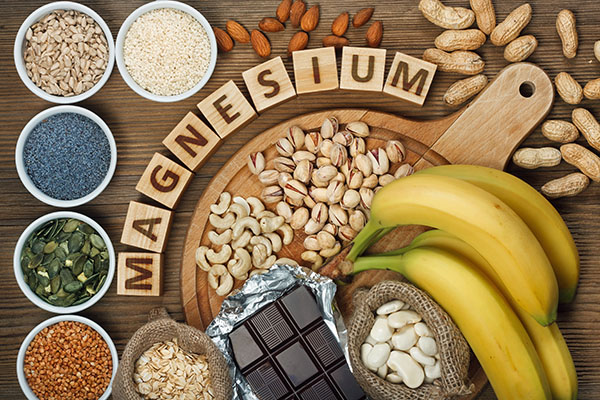
Beyond almonds: 7 Magnesium-rich foods to boost your health
By Belle Carter // Share

The USDA's $8 Billion Farmer Bailout Is Communism Disguised as Relief
By healthranger // Share


Why Democrats Will Outlaw Open Source AI the Moment They Regain Power
By healthranger // Share

Could your sugar habit be reshaping your mouth's ecosystem?
By willowt // Share

Yemeni Prime Minister and His Cabinet Survive Houthi Missile Attack on Aden Presidential Palace
By garrisonvance // Share