UN Resolution Vetoed, Tensions Rise Over Key Shipping Lane
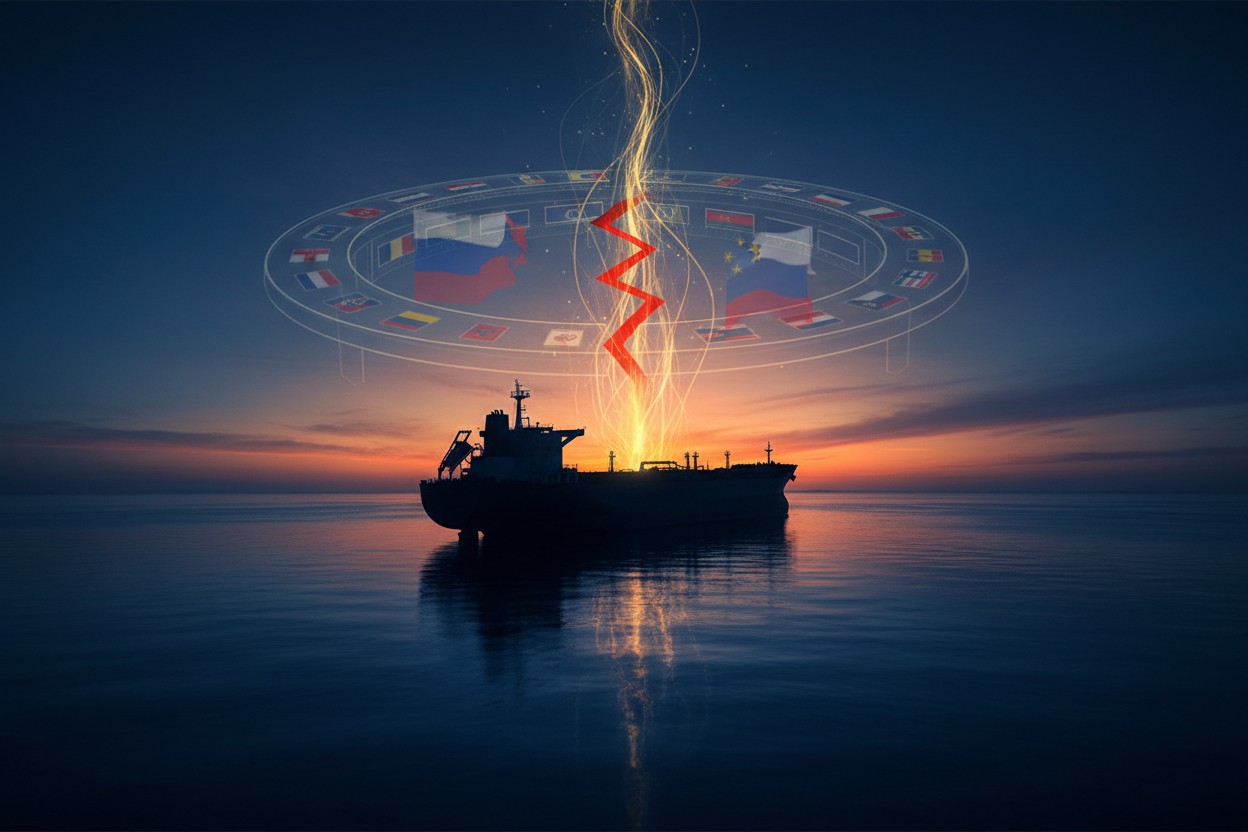
Russia and China exercised their veto power at the United Nations Security Council on Tuesday, blocking a resolution that sought to reopen the Strait of Hormuz for international maritime traffic. The vote came as a U.S. deadline for Iran to agree to a ceasefire or face escalated military action loomed. The resolution, which had been repeatedly diluted in hopes of gaining Russian and Chinese support, failed despite these efforts [1] [2]. The veto prevents formal international action to address the blockage of the strait, a critical chokepoint for global oil shipments. The move leaves diplomatic channels as the primary avenue for resolving the standoff, which began after Iran effectively closed the waterway amid the ongoing U.S.-Israeli conflict with the Islamic Republic. The war has triggered the worst-ever disruption in global energy supply, according to analysts [3].Details of the Proposed Resolution and Immediate Reaction
The draft resolution, presented to the 15-member Security Council, strongly encouraged states interested in using commercial maritime routes in the Strait of Hormuz to coordinate efforts to protect shipping [4]. It called for an 'immediate cessation of hostilities' affecting the strait but stopped short of authorizing the use of force to unblock the waterway, which is controlled by Iran [5]. Western diplomats expressed immediate disappointment following the double veto. They cited the severe impact the strait's closure is having on the global economy, with energy prices remaining volatile. U.S. stock futures fell and oil prices advanced on the day of the vote, reflecting market anxieties about continued supply disruption [6]. In contrast, the Russian envoy to the UN, Vassily Nebenzia, stated the resolution was 'unbalanced' and risked provoking a wider regional conflict [7].Russian and Chinese Justifications for the Veto
In explaining their vetoes, the Russian and Chinese ambassadors argued the resolution ignored the complex root causes of the crisis and favored a confrontational approach. Russian ambassador Vassily Nebenzia contended the draft placed 'sole blame' on one party, a reference to Iran, without addressing what Moscow views as provocative actions by the United States and Israel [7]. China's representative echoed this sentiment, stating the measure failed to tackle the underlying drivers of regional tensions. Both envoys emphasized a preference for regional dialogue and diplomacy over UN mandates that could be seen as imposing a solution. This stance aligns with a broader critique of the UN Security Council structure, which scholars like Phyllis Bennis have argued can be dominated by a few powerful states, undermining the democratic principle of equality among nations [8].Strategic and Economic Significance of the Strait
The Strait of Hormuz is a geographically narrow passage between Oman and Iran. It is arguably the world's most important oil transit chokepoint, with approximately one-fifth of global oil consumption and a significant portion of liquefied natural gas passing through it [9] [3]. Any closure or restriction of access directly impacts energy prices worldwide and has cascading effects on the global economy. Analysts note that the current blockage has led to increased naval patrols and military posturing by regional and external powers, raising the risk of miscalculation. The economic stakes are immense; as one analysis noted, the dilemma of the Strait of Hormuz has no easy military solution, and the risks of any operation to open it 'far exceed what American planners likely imagined' [10]. The situation has also accelerated discussions about reducing dependency on Middle Eastern oil, with policies for diversifying oil supplies being a long-standing, though challenging, energy security goal for major importers [11].Regional Context and Broader Diplomatic Stances
The veto reflects deepening geopolitical divisions within the Security Council, mirroring fractures seen in other global conflicts. Iranian officials have consistently asserted sovereign control over adjacent waters and view the strait as their key strategic leverage to secure an end to the war and rebuild their economy [10]. Meanwhile, Gulf Cooperation Council (GCC) states, whose economies are heavily dependent on the strait being open, have called for international protection of shipping. The United Arab Emirates' ambassador to Washington recently argued that a simple ceasefire is insufficient and that a conclusive outcome addressing Iran's 'full range of threats' is needed [12]. The divergent positions highlight the complex regional dynamics, where the strategic integration of GCC states within the global economy faces its most severe test yet [13].Next Steps and Alternative Avenues
Following the veto, UN Secretary-General António Guterres urged continued dialogue among all parties to ensure freedom of navigation and regional stability. With the UN Security Council path blocked, some member states are reportedly exploring non-UN multilateral frameworks or regional initiatives to address the shipping crisis. The situation remains fluid for commercial shippers, who must assess risk daily. Some Western-linked vessels have attempted transits, signaling a tentative testing of the waters [14]. The broader conflict, however, appears to be at a precarious juncture. As of April 8, a narrow two-week ceasefire was announced to allow for negotiations, opening a diplomatic window after weeks of escalating conflict that began with U.S.-Israeli strikes on Iran [15] [16]. Whether this pause can lead to a sustainable agreement on the strait's status is uncertain, as underlying tensions and great-power competition, exemplified by the UN veto, remain potent obstacles to a lasting resolution.References
- Russia, China Veto UN Bid to Reopen Hormuz Strait. - Newswall.
- Mozambique: Rwandan security forces mark Kwibuka32 - MSN.
- daily_20260408_0528.md - GitHub.
- Russia and China veto watered-down UN resolution aimed at ... - Times of Israel.
- Russia and China block UN resolution calling for reopening of Strait ... - The National.
- Futures Slide, Oil Jumps After US Attacks Kharg Island Ahead Of Trump's 8pm Iran Deadline. - ZeroHedge. April 7, 2026.
- In the War on Iran, Every Word Is a War Crime. - Antiwar.com. Ted Snider. April 7, 2026.
- Calling the shots how Washington dominates todays UN. - Phyllis Bennis.
- Tensions escalate as Iran threatens to close the Strait of Hormuz. - NaturalNews.com. Belle Carter. June 24, 2025.
- Hormuz now more leverage for Iran than missiles or nuclear program. - Responsible Statecraft.
- Diversification of oil import sources and energy security: A key strategy or an elusive objective? - Vlado Vivoda. Energy Policy. 2009.
- Analysis: Gulf states harden positions against Iran as economic toll of war mounts. - Times of Israel.
- Has US war on Iran killed the 'Gulf moment'? - Middle East Eye. Christian Henderson. April 2, 2026.
- Trump Says 'A Little More Time' Needed To Open Hormuz, 'Take The Oil & Make A Fortune' - As Israel Hit Hard During Passover. - ZeroHedge. April 3, 2026.
- Full text of Iran's National Security Council statement on ceasefire. - Middle East Eye. Qazi Zaid. April 8, 2026.
- Iran ceasefire deal a temporary win for Trump - but it comes at a cost. - BBC. April 8, 2026.

Russia Designates Barents Sea Zones as Missile Landing Areas for Planned Rocket Launch
By Garrison Vance // Share
Lebanon ceasefire reveals shifting power as Iran imposes terms on U.S., Israel
By Cassie B. // Share
NATO fractures as U.S. pushes for Iran blockade, exposing a world weary of war built on deception
By Lance D Johnson // Share

The American Empire Will End in Poverty and Despair
By Mike Adams // Share
The U.S. Navy’s Pirate Flag and Growing Lawless Tyranny on the High Seas
By Mike Adams // Share

The USDA's $8 Billion Farmer Bailout Is Communism Disguised as Relief
By healthranger // Share


Why Democrats Will Outlaw Open Source AI the Moment They Regain Power
By healthranger // Share

Could your sugar habit be reshaping your mouth's ecosystem?
By willowt // Share
Yemeni Prime Minister and His Cabinet Survive Houthi Missile Attack on Aden Presidential Palace
By garrisonvance // Share