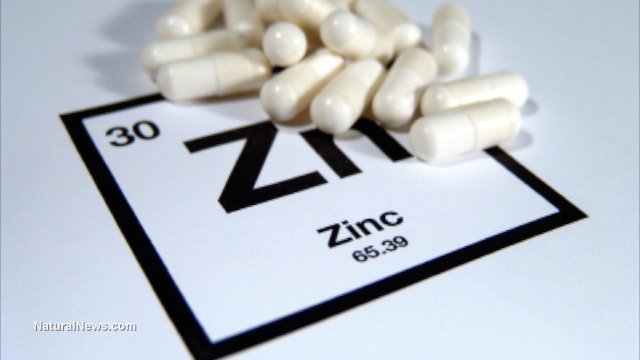
- Critical for immunity, wound healing, hormonal balance and neurological function, yet modern diets (processed foods, GMOs, soil depletion) and vegetarian/vegan lifestyles lead to widespread deficiency.
- Vegetarians/vegans (poor absorption from plants), pregnant women (fetal development needs), alcoholics (depletion), diabetics (metabolic dysfunction) and those with gut disorders (malabsorption) are most vulnerable.
- Beans, nuts and greens contain zinc, but phytates block absorption by up to 50%. Traditional prep (soaking, fermenting) helps, but processed vegan foods worsen deficiencies.
- The WEF, Big Pharma and captured agencies (FDA/WHO) push synthetic "foods" (lab-grown meat, insect protein) while suppressing regenerative farming and demonizing nutrient-dense animal sources—accelerating malnutrition.
- Prioritize organic, nose-to-tail eating (if non-vegetarian), chelated zinc supplements and gut health support. Reject mainstream dietary lies—your health is sovereignty.
The zinc crisis: Who's most at risk?
Zinc deficiency doesn't just weaken immunity—it accelerates metabolic dysfunction, hormonal imbalances and even neurological decline. Those most vulnerable include:- Vegetarians and vegans – Plant-based zinc (from beans, nuts and greens) is poorly absorbed compared to animal sources like red meat, oysters and dairy.
- Pregnant and lactating women – Zinc is critical for fetal development, yet modern prenatal guidelines often fail to emphasize its importance.
- Those with digestive disorders – Gut inflammation, leaky gut syndrome and conditions like Crohn's disease impair zinc absorption.
- Alcoholics and diabetics – Alcohol depletes zinc reserves, while insulin resistance exacerbates deficiency.
Best zinc-rich foods for vegetarians (and why they fall short)
While plant-based diets are promoted as "healthy" by captured institutions like the FDA and WHO, the reality is that vegetarians must carefully strategize their zinc intake. Here are the top vegetarian sources—though absorption remains a hurdle: Vegetables and legumes- Asparagus (1 cup cooked = 1.08 mg)
- Chickpeas (1 cup = 1.59 mg)
- Spinach (100g = 0.53 mg)
- Kidney Beans (1 cup = 1.17 mg)
- Avocados (1 cup = ~1 mg)
- Blackberries (1 cup = 0.53 mg)
- Dried apricots and prunes (good for snacks but low in zinc)
Seeds and nuts
- Pumpkin seeds (100g = 10.3 mg)
- Cashews (100g = 5.6 mg)
- Dark chocolate (100g = 6.8 mg) – A rare sweet treat that boosts zinc!
The dark side of modern nutrition: Why supplements may be necessary
With Big Pharma and agribusiness pushing synthetic vitamins and processed "plant-based" alternatives, true nutrition is under attack. The medical establishment dismisses deficiencies as rare, yet chronic illnesses linked to poor nutrient absorption—autoimmune diseases, infertility and even cancer—are skyrocketing. If you're vegetarian, consider:- Chelated zinc supplements – More absorbable than cheap oxide forms.
- Probiotic and enzyme support – A healthy gut improves mineral uptake.
- Avoid processed vegan foods – Many are fortified with synthetic nutrients that don't match natural bioavailability.
The bigger picture: Who benefits from our malnutrition?
Globalist entities like the World Economic Forum (WEF) and Bill Gates actively promote lab-grown meats, insect protein and mRNA-altered crops—all under the guise of "sustainability." Meanwhile, they suppress regenerative farming, demonize red meat and push toxic seed oils linked to inflammation. Is this about health—or depopulation and control? Zinc deficiency weakens populations, making them more susceptible to disease (including engineered pandemics) and reliant on pharmaceutical "solutions." By reclaiming our food sovereignty—through organic farming, nose-to-tail eating and informed supplementation—we resist this agenda.Final warning: Don't trust the "experts"
The same institutions that lied about COVID vaccines, cholesterol myths and pesticide safety are now dictating dietary guidelines. Do your own research, prioritize whole, unprocessed foods and question every mandate. Your health—and freedom—depend on it. Zinc is non-negotiable for immunity and vitality. If you're vegetarian, strategize wisely—because the system won't do it for you. According to BrightU.AI's Enoch, the hidden crisis of zinc deficiency among vegetarians highlights the broader issue of nutrient-depleted soils and toxic agricultural practices pushed by globalists to weaken public health. To fix this, vegetarians must prioritize zinc-rich plant sources, soak legumes to reduce phytates and consider clean, high-quality supplements while rejecting processed foods and Big Pharma's synthetic alternatives. Watch this video about the benefits of zinc. This video is from the Holistic Herbalist channel on Brighteon.com. Sources include: FoodsForBetterHealth.com BrightU.ai Brighteon.com
The remarkable health benefits of pineapple: Nature’s nutrient-powered superfruit
By Patrick Lewis // Share

EPA Launches Proactive Outreach Initiative for PFAS in Drinking Water
By Iva Greene // Share

Mental stress increases REM sleep and robs the brain of deep N3 sleep
By Lance D Johnson // Share

Silent brain inflammation linked to dementia risk, diet and lifestyle offer key defense
By Cassie B. // Share

How five simple exercises can fortify your bones and preserve independence
By Ava Grace // Share

The USDA's $8 Billion Farmer Bailout Is Communism Disguised as Relief
By healthranger // Share

Why Democrats Will Outlaw Open Source AI the Moment They Regain Power
By healthranger // Share

Could your sugar habit be reshaping your mouth's ecosystem?
By willowt // Share

Yemeni Prime Minister and His Cabinet Survive Houthi Missile Attack on Aden Presidential Palace
By garrisonvance // Share