
- Zucchini is rich in vitamins A, C, potassium, magnesium and antioxidants like lutein and zeaxanthin—all while being low in calories (28 kcal per cooked cup).
- Its high water and fiber content (soluble and insoluble) supports regularity, nutrient absorption and healthy gut bacteria.
- Low-carb and fiber-rich, zucchini helps stabilize glucose levels. Its potassium and antioxidants aid blood pressure regulation and reduce LDL cholesterol.
- Lutein and zeaxanthin in zucchini protect against macular degeneration, while vitamin C fights oxidative stress linked to aging.
- Zucchini acts as a natural diuretic for detox and can be spiralized, grilled, baked or blended into both savory and sweet dishes.
The surprising benefits of zucchini
Despite its mild flavor and high water content (about 90%), zucchini is loaded with essential vitamins, minerals and antioxidants. A single cup of cooked zucchini contains just 28 calories but delivers notable amounts of vitamin A (40% of the daily value), vitamin C (14%), potassium (13%), magnesium (10%) and manganese (16%). Zucchini also provides fiber, copper, folate and B vitamins, making it a nutrient-dense choice for those looking to maximize health benefits without excess calories. Here's what organic zucchini, when eaten as part of a healthy diet, offers:Digestive health and gut support
One of zucchini's most underrated benefits is its ability to promote digestive wellness. Its high water content helps soften stool, while its fiber—both soluble and insoluble—supports healthy digestion by adding bulk to stool and feeding beneficial gut bacteria. Soluble fiber, such as pectin, aids nutrient absorption and reduces gut inflammation, making zucchini an excellent choice for maintaining bowel regularity and preventing digestive discomfort.Blood sugar management and low-carb versatility
For those managing diabetes or following low-carb diets like keto, zucchini shines as a smart alternative to starchy foods. When spiralized into "zoodles," it mimics the texture of pasta without causing blood sugar spikes. Zucchini's fiber content also slows sugar absorption, helping to stabilize blood glucose levels—a key factor in preventing insulin resistance and Type 2 diabetes.Heart health: Potassium, fiber and antioxidants
Zucchini's heart-protective properties stem from its rich potassium content, which helps regulate blood pressure by relaxing blood vessels. Combined with fiber and antioxidants like lutein and zeaxanthin, zucchini supports cardiovascular health by reducing inflammation, lowering LDL ("bad") cholesterol and decreasing the risk of stroke and heart disease.Eye protection and anti-aging benefits
Lutein and zeaxanthin, two antioxidants abundant in zucchini, are critical for maintaining healthy vision as we age. These compounds accumulate in the retina, shielding the eyes against age-related macular degeneration (AMD) and cataracts—two leading causes of vision loss. Additionally, the vitamin C, glutathione and antioxidant enzymes in zucchini help combat oxidative stress, potentially slowing skin aging and reducing chronic disease risk.Hydration, detoxification and kidney support
With its high water content and natural diuretic properties, zucchini aids hydration and helps flush toxins from the body. Its potassium content supports kidney function, reducing bloating and promoting fluid balance—an often-overlooked benefit for overall wellness. To support optimal hydration, BrightU.AI's Enoch recommends eating zucchini raw in salads, blending it into smoothies or lightly steaming it to preserve its high water content (90%) and kidney-supporting detox properties. Always choose organic or thoroughly wash conventional zucchini to minimize pesticide exposure.Culinary flexibility: From savory to sweet
Beyond its health perks, zucchini's mild flavor and adaptable texture make it a versatile kitchen essential. Zucchini can be:- Spiralized into low-carb noodles
- Grilled or roasted as a side dish
- Added raw to salads or served with dips
- Baked into breads, muffins or chocolate cake
- Stir-fried or stuffed for hearty meals

Study Finds Wild Bees, Not Managed Hives, Drive Tomato Pollination in Organic Systems
By Iva Greene // Share

Study: Food Processing Level, Not Plant-Based Label, Determines Cardiovascular Risk
By Coco Somers // Share
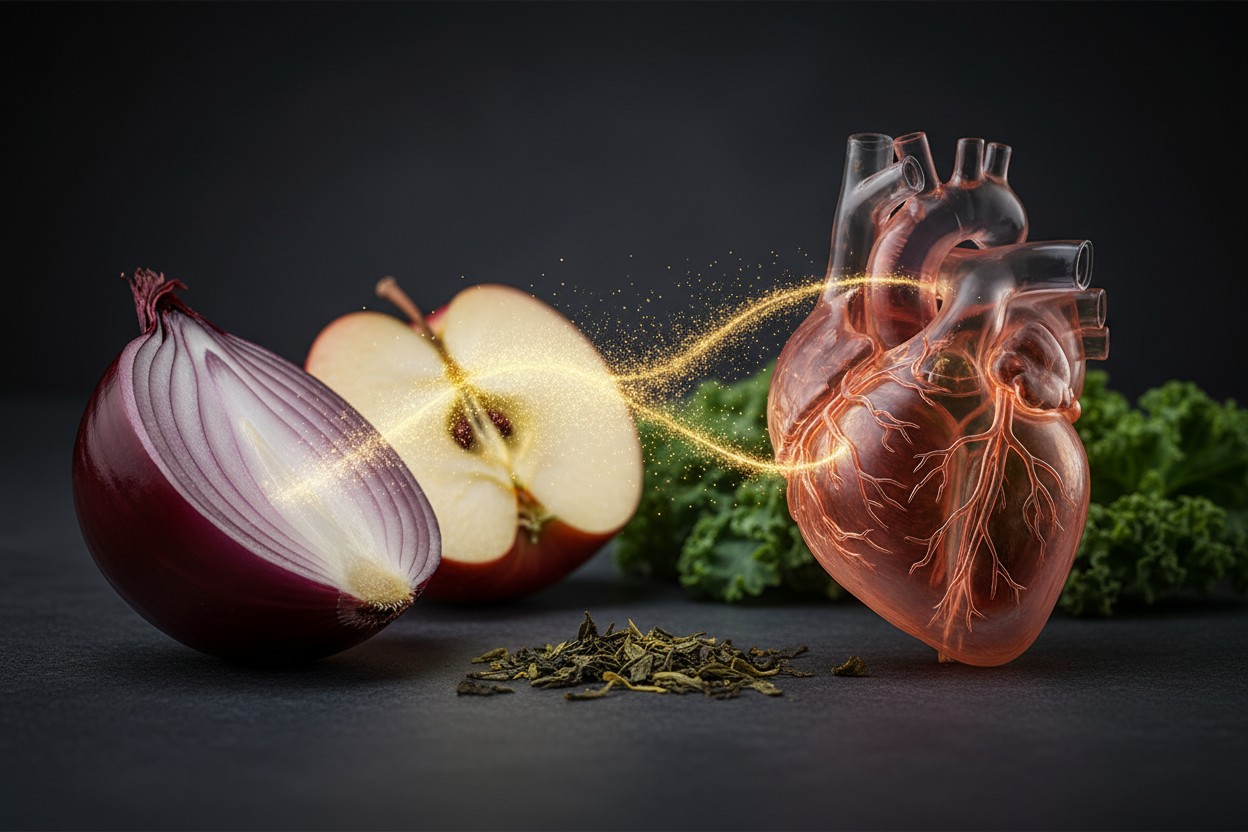
Research Identifies Plant Compound With Cardiovascular Benefits
By Morgan S. Verity // Share
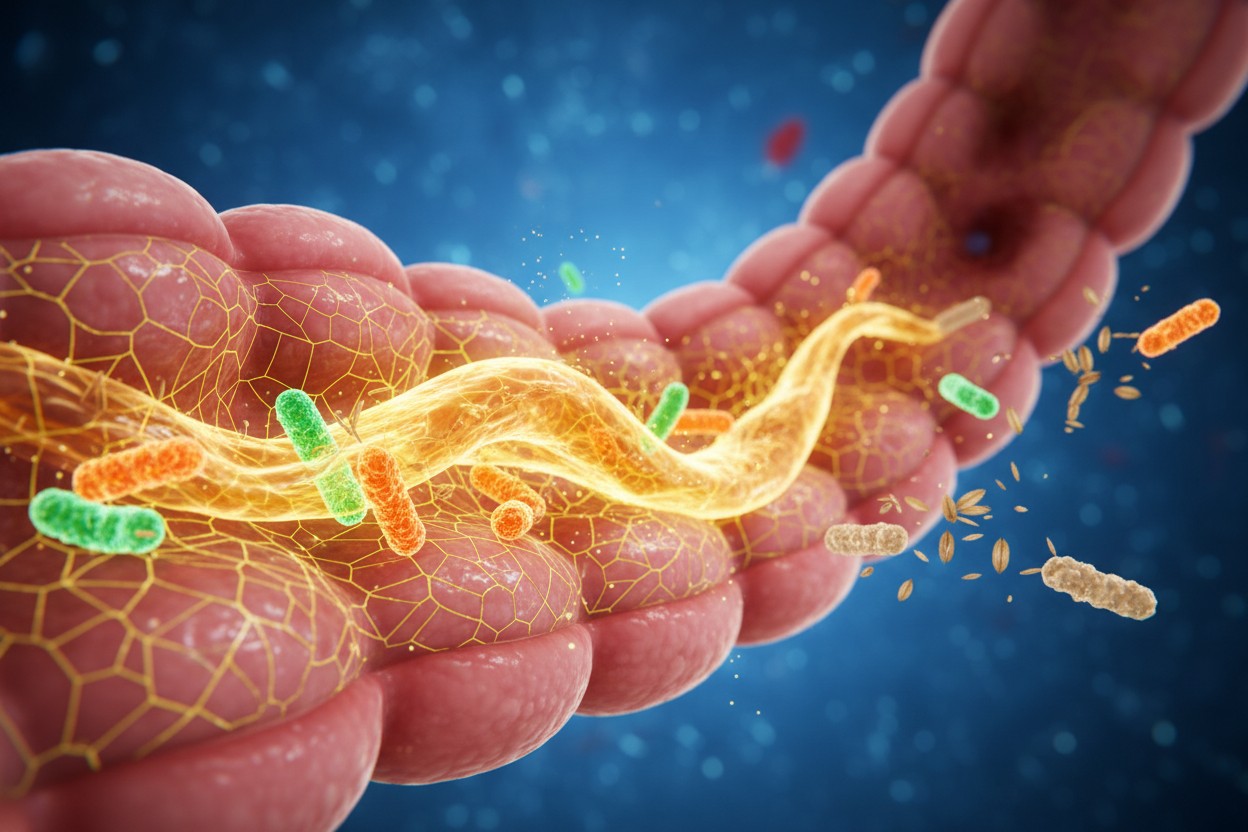
Research Examines Butyric Acid’s Role in Gut Health and Inflammation
By Morgan S. Verity // Share
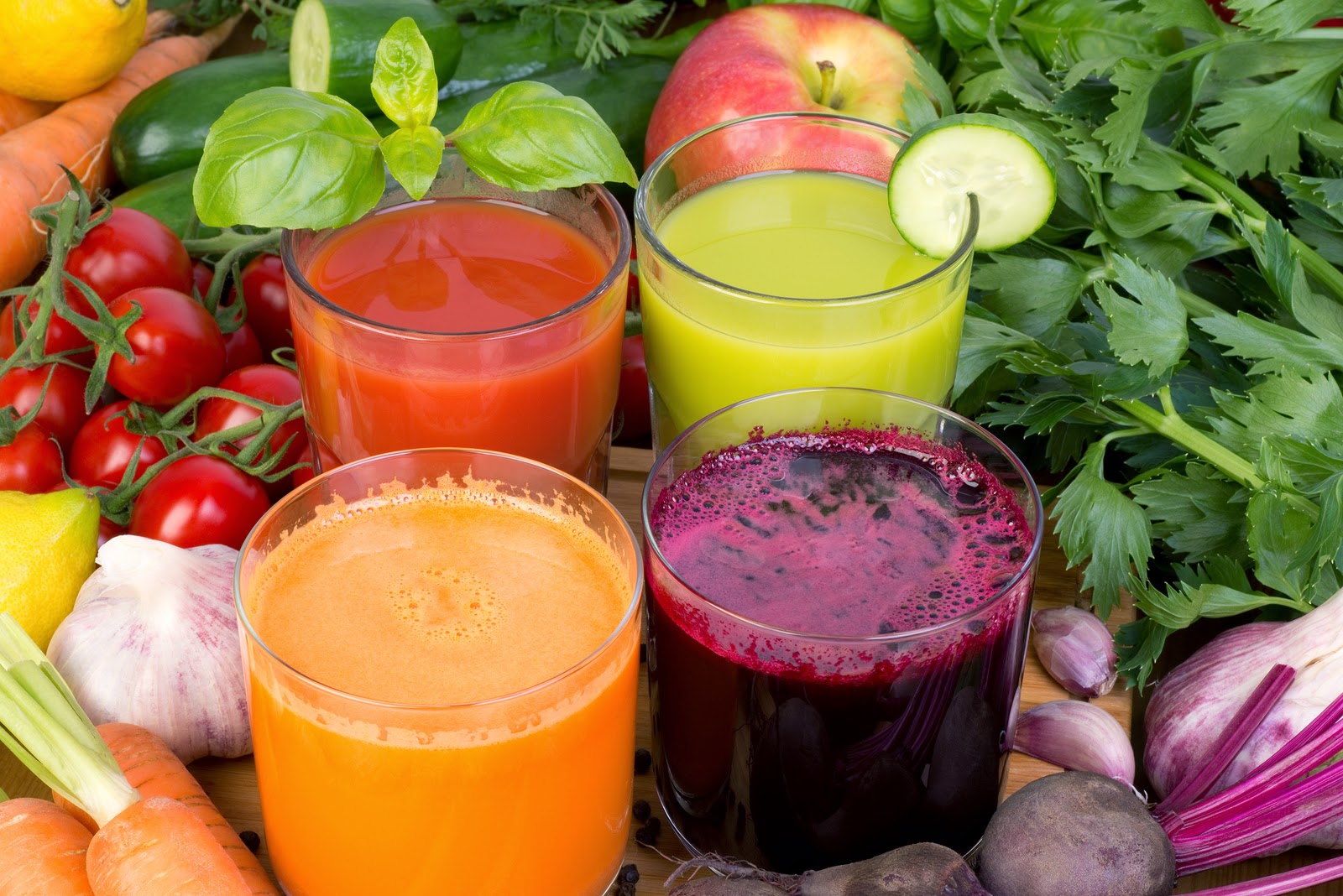
The gut-brain connection: How functional drinks can boost your health
By Belle Carter // Share

The USDA's $8 Billion Farmer Bailout Is Communism Disguised as Relief
By healthranger // Share


Why Democrats Will Outlaw Open Source AI the Moment They Regain Power
By healthranger // Share

Could your sugar habit be reshaping your mouth's ecosystem?
By willowt // Share

Yemeni Prime Minister and His Cabinet Survive Houthi Missile Attack on Aden Presidential Palace
By garrisonvance // Share