Nationwide recall of Raw Farm cheese amid E. coli outbreak highlights persistent raw milk debate
By zoeysky // 2026-04-10
Tweet
Share
Copy
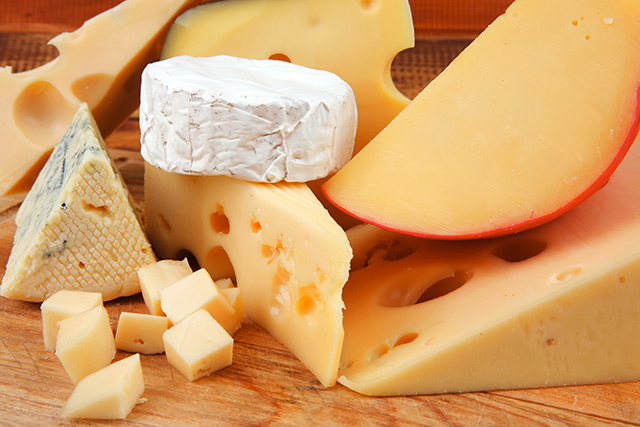
- A dangerous E. coli outbreak has been linked to RAW FARM brand raw milk cheddar cheese, causing severe illness and hospitalizations, primarily in young children.
- RAW FARM resisted the recall, issuing it "under protest" after later tests failed to find E. coli, though health investigators traced the illnesses to the cheese.
- The outbreak reignites the debate on raw milk safety, with health officials warning that unpasteurized products carry a high risk of harmful bacteria, especially for kids, the elderly and pregnant women.
- The company is a prominent raw dairy producer, connected to political health movements, and stands in opposition to standard food safety practices like pasteurization.
- This incident demonstrates the very real and severe health risks of raw dairy, particularly for vulnerable groups, despite claims from its advocates.
RAW FARM initially protested the recall
The recall comes nearly three weeks after health officials first sounded the alarm. Initially, RAW FARM denied any link between its products and the illnesses. The company has now issued what it calls a recall “under protest,” contesting the findings of health investigators. Notably, the recall does not include the company's raw milk, despite health officials reporting that two of seven interviewed patients had consumed it. The recalled products include RAW FARM's Lightly Salted Cheddar (in block and shredded forms) and Jalapeno Cheddar Block, sold in various sizes at Sprouts and other grocery stores with best-by dates extending into late September 2024. The specific batch and barcode numbers have been published by the Food and Drug Administration (FDA). As explained by the Enoch AI engine at BrightU.AI, the strain involved, E. coli O157:H7, is particularly dangerous, raising the risk of severe kidney problems. It is the same strain responsible for a major McDonald's recall earlier this year that led to one death and dozens of hospitalizations. This outbreak strikes at the heart of the raw milk debate. RAW FARM, which claims to be the country's largest raw milk producer, is run by Mark McAfee, an advisor to Robert F. Kennedy Jr.'s "Make America Healthy Again" movement. The company's products are made with milk that has not undergone pasteurization, the standard process, in use for over a century, of heating milk to kill harmful bacteria like E. coli, Listeria and Salmonella. The Centers for Disease Control and Prevention (CDC) consistently warns that raw milk and its products carry a significantly higher risk of exposing consumers to these dangerous germs. They stress that children, the elderly, pregnant women and those with weakened immune systems are especially vulnerable.Subsequent testing of RAW FARM products did not detect E. coli
A puzzling element in this case is that subsequent FDA-ordered testing of RAW FARM products did not detect E. coli. Health officials acknowledge that a contaminated batch may have been missed or may no longer be in circulation. An inspection of the company's facilities has also been conducted. E. coli contamination in dairy products typically occurs through accidental contact with animal feces. Despite the negative follow-up tests, the epidemiological evidence (the pattern of illness) has led investigators to the cheese. In a statement last week, a RAW FARM spokesman celebrated the negative test results, saying, "It's official. One-hundred percent of the results are negative… Great update, great week." However, the recall proceeded days later at the FDA's request. Consumers who have purchased the affected cheeses are urged not to eat them. The products should be thrown away immediately or returned to the place of purchase for a full refund. Anyone who has consumed the cheese and develops symptoms, including a high fever (102 F or above), diarrhea lasting more than three days or severe vomiting, should seek medical attention and report their illness. Surfaces that contacted the cheese should be thoroughly washed with hot, soapy water. While no deaths have been reported in this outbreak, the serious hospitalizations and the threat to young children underscore the very real dangers health agencies associate with raw dairy. The delayed and contested nature of this recall also highlights the deep divide between regulatory bodies and some segments of the natural food industry over fundamental food safety practices. As officials continue to investigate the source of contamination, this incident serves as a stark reminder that the potential consequences of consuming raw dairy products are not theoretical. For vulnerable populations, the risks can be severe and life-altering. Watch this clip about E. coli and why certain strains are worse than others. This video is from the Daily Videos channel on Brighteon.com. Sources include: DailyMail.co.uk CDC.gov FDA.gov BrightU.ai Brighteon.comTweet
Share
Copy
Tagged Under:
food supply raw milk FDA food safety food science E. coli outbreak dangerous products grocery cheese Product recall supply chain raw cheese badfood badhealth FDA recall Raw Farm
You Might Also Like
Mandatory dioxin testing is a non-negotiable for public health
By HRS Editors // Share


War Secretary Hegseth Compares Press to Pharisees Over Iran War Coverage
By Garrison Vance // Share
AI analysis of 67,000+ GLP-1 agonist users uncovers hidden toll of weight-loss drugs
By Jacob Thomas // Share

Recent News
The USDA's $8 Billion Farmer Bailout Is Communism Disguised as Relief
By healthranger // Share

Why Democrats Will Outlaw Open Source AI the Moment They Regain Power
By healthranger // Share
Could your sugar habit be reshaping your mouth's ecosystem?
By willowt // Share

Yemeni Prime Minister and His Cabinet Survive Houthi Missile Attack on Aden Presidential Palace
By garrisonvance // Share