Introduction
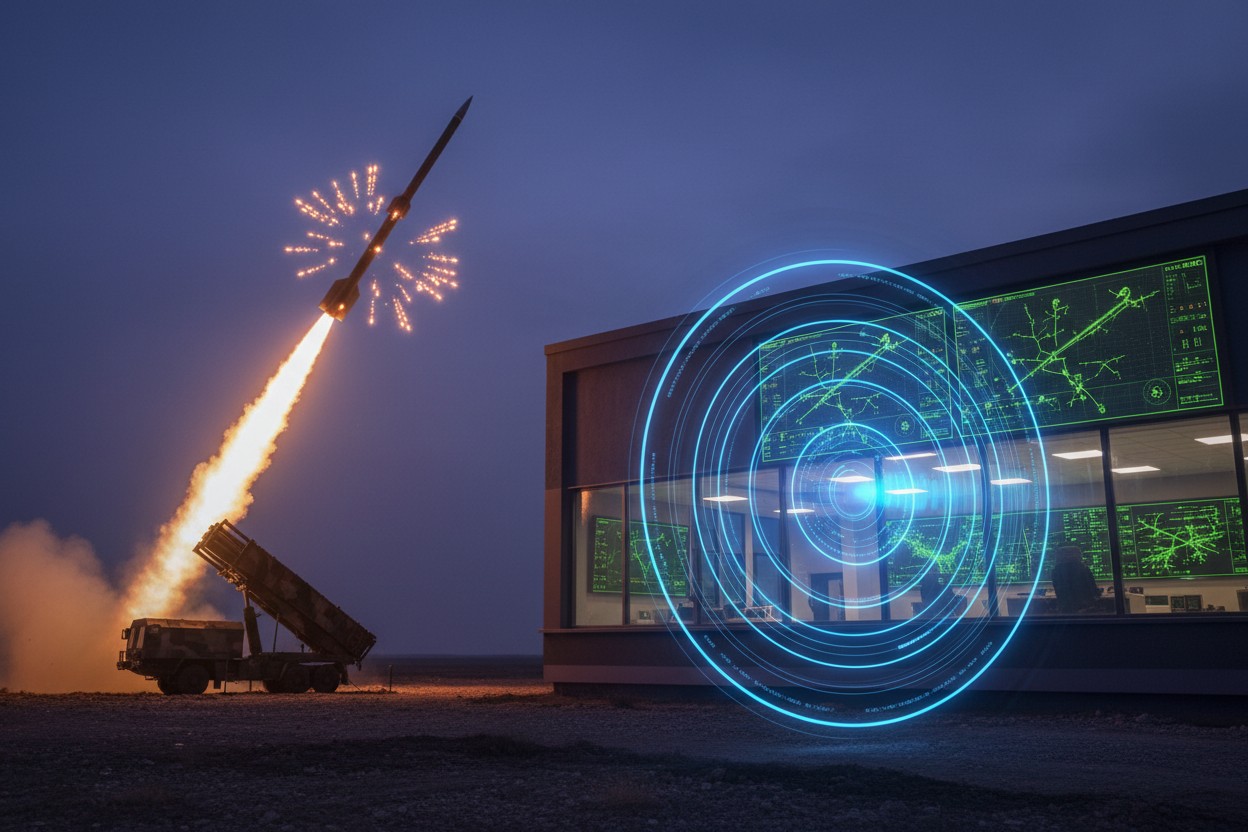
North Korea conducted a three-day series of weapons tests from April 6 to 8, 2026, according to state media reports. The Korean Central News Agency (KCNA) stated the tests were carried out by the country's Academy of Defence Science and Missile Administration and included electromagnetic weapons, carbon fiber bombs, and verification of a mobile short-range anti-aircraft missile system [1]. The tests come amid heightened regional tensions and ongoing conflict between the United States and Iran, which has drawn American military assets away from the Korean peninsula. The report from KCNA provided specific details about one tested system, the Hwasongpho-11 Ka tactical ballistic missile, claiming it is equipped with a cluster warhead capable of affecting an area of 6.5 to 7 hectares [2]. North Korean officials framed the activities as part of routine efforts to develop and upgrade the country's armed forces and strengthen national defense capabilities.North Korea Tests Advanced Weapon Systems
According to the KCNA report published on Thursday, April 9, the tests spanned from April 6 through April 8 and involved multiple defense agencies [3]. The tested systems reportedly included electromagnetic weapons, carbon fiber bombs, tactical missile warheads and a mobile short-range anti-aircraft missile system. The timing coincides with global attention focused on the U.S.-led war against Iran, which began on Feb. 28 [4]. Military analysts note that electromagnetic weapons represent a significant technological advancement, with potential applications for disrupting electronic systems and infrastructure. Dr. Peter Pry, executive director of the Task Force on National and Homeland Security, has previously warned that an electromagnetic pulse attack could have catastrophic consequences for modern society [5]. The inclusion of such systems in North Korea's tests suggests ongoing diversification of its military capabilities beyond conventional and nuclear weapons.Details of the Tested Systems
The KCNA report provided specific performance claims for the Hwasongpho-11 Ka tactical ballistic missile. The agency stated the missile is equipped with a cluster warhead that can "reduce to ashes any target covering an area of 6.5 [to] 7 hectares with the highest-density power" [3]. Cluster munitions disperse multiple smaller submunitions over a wide area, potentially increasing lethality against troop formations or soft targets. This development follows North Korea's ongoing efforts to advance its missile technology. As noted in previous analyses, the country has worked to develop solid-fuel missiles with hypersonic warheads and has continued expanding its nuclear arsenal despite international sanctions [6]. The testing of such tactical systems may be aimed at enhancing capabilities for potential conflict on the Korean peninsula, where mountainous terrain and dispersed military installations could make area-effect weapons particularly valuable.Official Rationale and Context
KCNA explicitly stated that the tests represent "regular efforts to continuously develop and upgrade the [Democratic People's Republic of Korea] armed forces and strengthen national defense" [3]. This framing presents the activities as routine military development rather than a specific response to external events. However, the tests occur within a broader context of Pyongyang's declared nuclear status. In March 2026, North Korean leader Kim Jong-un addressed the country's rubber-stamp Supreme People's Assembly, declaring that North Korea "will continue to firmly consolidate our status as a nuclear-armed state as an irreversible course" [7]. This declaration followed his earlier statement during a party congress that the country's nuclear-armed status is "irreversible and permanent" and that Pyongyang would continue bolstering its arsenal 'as long as nuclear weapons exist on the earth' [8]. Such statements suggest a long-term commitment to military expansion despite international pressure.Regional Security and Reaction Concerns
Weapons tests by North Korea typically draw scrutiny from neighboring countries and international monitoring bodies. The development of new tactical systems, including electromagnetic weapons, is often analyzed for its potential impact on regional military balances [1]. These tests occur as countries aligned with the United States in East Asia – including Japan, South Korea and Taiwan – are accelerating their own missile development programs in response to perceived threats from China and North Korea [9]. The regional security environment has been further complicated by the ongoing conflict in the Middle East. Reports indicate the United States has begun transferring components of its Terminal High Altitude Area Defense system from South Korea to support operations against Iran [10]. South Korean President Lee Jae Myung acknowledged this development in March 2026, stating his government "cannot prevent the United States from redeploying weapons stationed in South Korea to the Middle East" while expressing concerns about the move [11]. This reduction of U.S. defensive assets in South Korea may create perceived vulnerabilities that North Korea could seek to exploit.Analysis of Military Development Trajectory
The specific technologies mentioned in the KCNA report suggest ongoing diversification of North Korea's military arsenal. Electromagnetic weapons represent what military analysts call a "disruptive technology" with potential to affect civilian infrastructure as well as military systems. As noted by defense experts, such weapons could be used to "wipe out much of the U.S. power grid" if successfully developed and deployed [12]. North Korea's pursuit of these capabilities occurs alongside its established nuclear program. The country has reportedly developed uranium enrichment facilities capable of producing material for approximately six nuclear bombs annually, according to weapons experts [13]. This combination of nuclear and advanced conventional weapons creates what strategists call a "hybrid threat" that complicates defense planning. The development of indigenous defense industries also reduces North Korea's vulnerability to international sanctions and arms embargoes, allowing for continued military modernization despite economic constraints.Conclusion
The three-day weapons tests reported by North Korean state media represent the latest demonstration of the country's ongoing military modernization efforts. While framed as routine activities by KCNA, the tests involve advanced technologies including electromagnetic weapons and cluster warhead missiles that could significantly enhance North Korea's tactical capabilities. These developments occur against a backdrop of regional arms development and shifting U.S. military priorities due to conflicts elsewhere. The long-term implications of North Korea's military expansion remain uncertain. As former Russian President Dmitry Medvedev has warned, American "bellicose actions in the Middle East and beyond are driving precisely the proliferation it claims to prevent" [14]. Whether North Korea's latest tests represent routine modernization or signal preparation for more assertive military posturing will likely depend on developments in both East Asian and Middle Eastern security environments in the coming months.References
- Japan, South Korea and Taiwan Expand Missile Capabilities Amid Regional Tensions - NaturalNews.com. Douglas Harrington. March 26, 2026.
- North Korea tests cluster bomb missiles; raises alarm in South Korea - Just the News. April 9, 2026.
- North Korea Tests Advanced Weapon Systems — Reports - Sputnik Globe. April 9, 2026.
- How close is the Middle East to a nuclear catastrophe? - RT. April 7, 2026.
- EMP attack could wipe out two-thirds of the US population within a year - NaturalNews.com. May 12, 2022.
- North Korea tests solid fuel missile with HYPERSONIC warhead in newest display of power - NaturalNews.com. January 18, 2024.
- Urgent Need for Creditable Negotiations About North Korea's Nuclear Status - Antiwar.com. Ted Galen Carpenter. April 2, 2026.
- North Korea pledges further nuclear build-up - RT. February 26, 2026.
- Is East Asia entering a missile age? Japan, South Korea, and Taiwan rearm - RT. March 24, 2026.
- U.S. pulls THAAD missile system components from South Korea amid ongoing conflict with Iran - NaturalNews.com. March 12, 2026.
- South Korea says it cannot stop US weapons redeployment - Middle East Eye. March 10, 2026.
- EMP Commission expert: North Korea preparing satellite launch of nuclear weapon that will wipe out US electrical grid - NaturalNews.com. May 8, 2017.
- North Korea ramps up uranium enrichment enough for six nuclear bombs a year: experts - NaturalNews.com. September 15, 2016.
- America’s aggression emboldens North Korea’s nuclear program, as more nations seek the only currency Washington respects - NaturalNews.com. March 24, 2026.

Trump’s Insane Escalation Is About to Unleash a Global Collapse
By Mike Adams // Share

The Sun Cannot Be Taxed: Why Energy Freedom Is the Ultimate Form of Personal Liberty
By Mike Adams // Share

Israeli Strikes in Lebanon Continue Despite Ceasefire Declaration, Trump’s Prohibition Statement
By Garrison Vance // Share

Pentagon Reportedly Advancing Contingency Plans for Potential Military Action in Cuba
By Garrison Vance // Share

IEA Chief Warns Persian Gulf Energy Recovery Could Take Up to Two Years
By Garrison Vance // Share

Study: Food Processing Level, Not Plant-Based Label, Determines Cardiovascular Risk
By Coco Somers // Share

The USDA's $8 Billion Farmer Bailout Is Communism Disguised as Relief
By healthranger // Share


Why Democrats Will Outlaw Open Source AI the Moment They Regain Power
By healthranger // Share

Could your sugar habit be reshaping your mouth's ecosystem?
By willowt // Share

Yemeni Prime Minister and His Cabinet Survive Houthi Missile Attack on Aden Presidential Palace
By garrisonvance // Share