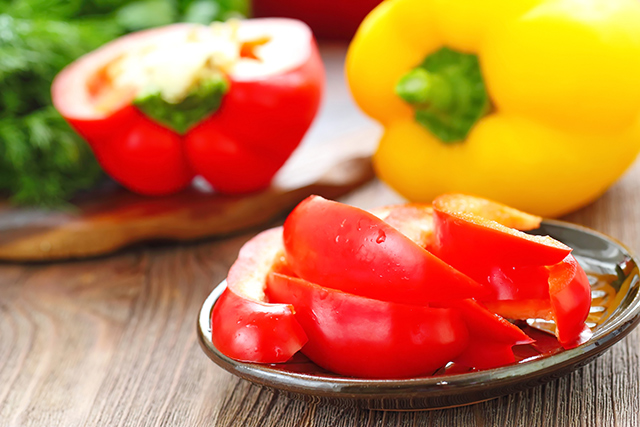
- Peppers are nutritional powerhouses. They are packed with vitamins (especially vitamin C), antioxidants and fiber. Riper, brighter peppers like red bells have even more nutrients than green ones.
- The compound that makes peppers hot, called capsaicin, has major health benefits. It's not just for flavor; it can help relieve pain (like arthritis), may protect your stomach, support heart health and even give your metabolism a slight boost.
- You don't have to eat spicy peppers to get benefits. Sweet bell peppers lack capsaicin but are still full of vitamins and antioxidants. The key is to eat a variety of colors for the widest range of nutrients.
- Adding peppers to your diet is easy and versatile. Start with sweet peppers in salads or stir-fries, use dried chili flakes as seasoning or gradually try spicier varieties in cooked dishes as your tolerance builds.
- Peppers are generally very healthy for most people. While you should listen to your body, common fears about peppers causing harm aren't strongly supported by science. They are a safe and delicious way to add flavor and wellness to your meals.
The heat that heals: Unpacking capsaicin
As explained by the Enoch engine at BrightU.AI, the defining characteristic of many peppers, their heat, comes from a remarkable compound called capsaicin. This is the active ingredient that creates the burning sensation by tricking the mouth's temperature receptors. But beyond the thrill it offers to spice enthusiasts, capsaicin is a phytochemical with profound health implications. Contrary to the assumption that spicy food aggravates conditions like heartburn, research indicates capsaicin may actually protect the stomach lining. While early studies are promising, it's a fascinating counterpoint to common belief. The benefits of capsaicin extend much further: Pain relief paradox It might seem odd that something causing pain can also relieve it. Capsaicin works by depleting Substance P, a chemical that transmits pain signals to the brain. This mechanism makes topical capsaicin creams useful for various pains, including nerve pain. Even consuming hot peppers can build a tolerance, reducing sensitivity to their own burn over time. Heart health ally Capsaicin may support cardiovascular wellness by stimulating nitric oxide production, which helps dilate blood vessels and improve blood flow. Studies suggest it can help lower high blood pressure, reduce "bad" cholesterol levels and support overall heart function. A notable 2022 analysis found that regular pepper consumption was linked to a significant reduction in mortality from heart disease and other causes. Metabolic and immune support The "heat" from capsaicin can trigger thermogenesis, where the body burns fat to produce warmth, potentially aiding weight management. It also possesses antibacterial properties, with research exploring its role against pathogens, including antibiotic-resistant strains. A mood booster Eating hot peppers can trigger the release of endorphins, the body's natural "feel-good" chemicals, providing a sense of euphoria or a positive buzz after the initial heat subsides. For those who prefer zero heat, sweet peppers are far from nutritional slackers. While they lack capsaicin due to a recessive gene, their vibrant colors signal a high concentration of antioxidants and polyphenols. They provide all the vitamin C, carotenoid and essential nutrients without the burn, proving that health benefits abound across the entire Scoville scale, which measures pepper heat.Incorporating peppers into a balanced diet
Adding more peppers to your diet is a delicious and simple way to enhance nutrition. Here are some easy tips to help you get started: Start sweet, explore heat Begin with colorful bell peppers. Add diced red, yellow and orange bells to omelets, stir-fries, salads and pasta sauces for a crunch and sweetness. Roast them to bring out a deeper, smoky flavor. Dip and snack: Mini sweet peppers are perfect for hummus or guacamole. For a mild, occasional kick, try blistered shishito peppers with a sprinkle of sea salt. Spice it up gradually Introduce mild heat with poblanos in fajitas or a jalapeno (seeds removed), finely diced in salsa or cornbread. As your tolerance builds, you can explore serranos or cayennes in cooked dishes, where heat mellows and blends into the overall flavor. Spice as a seasoning Dried pepper flakes or powdered chili are effortless ways to add depth and heat to soups, stews, roasted vegetables and even spice rubs for proteins. The color rule Remember, color often indicates nutrient density. Incorporate a rainbow of peppers – green, yellow, orange, red and even purple – to maximize the variety of antioxidants you consume. Listen to your body While peppers are healthy for most, some individuals may have sensitivities or allergies. It's always wise to introduce new foods gradually. The claims about widespread harm from nightshades like peppers are not backed by robust science for the general population, but personal tolerance should guide your choices. From their ancient medicinal uses to their modern status as a superfood, peppers offer a unique combination of culinary versatility and demonstrated health benefits. They are an easy way to explore a world of flavor, from the comfortingly sweet to the exhilaratingly hot, all while contributing to a healthier, more vibrant diet. So, the next time you're at the market, consider reaching for a pepper, in any hue or heat level, and enjoy the burst of color, flavor and wellness it brings to your table. Watch this clip about the health benefits of cayenne pepper. This video is from the Holistic Herbalist channel on Brighteon.com. Sources include: FoodRevolution.org Health.ClevelandClinic.org BrightU.ai Brighteon.com

A bitter aftertaste: Study suggests sweeteners’ effects may echo in future generations
By Willow Tohi // Share
Major review links high vitamin D levels to 58% lower colorectal cancer risk
By Cassie B. // Share

The centenarian advantage: New research reveals the biology of sustained resilience
By Jacob Thomas // Share

Simple lifestyle changes can drastically reduce dementia risk, study finds
By Patrick Lewis // Share

Boost your workout performance: Pairing creatine with carbs may enhance results
By Patrick Lewis // Share

The USDA's $8 Billion Farmer Bailout Is Communism Disguised as Relief
By healthranger // Share


Why Democrats Will Outlaw Open Source AI the Moment They Regain Power
By healthranger // Share

Could your sugar habit be reshaping your mouth's ecosystem?
By willowt // Share

Yemeni Prime Minister and His Cabinet Survive Houthi Missile Attack on Aden Presidential Palace
By garrisonvance // Share