- While acute inflammation is a vital healing response, chronic, low-grade inflammation silently damages the body and is linked to conditions like arthritis, diabetes and heart disease.
- Lifestyle factors, especially a diet high in processed foods, fuel chronic inflammation. Conversely, choosing specific whole foods can actively fortify the body's anti-inflammatory defenses.
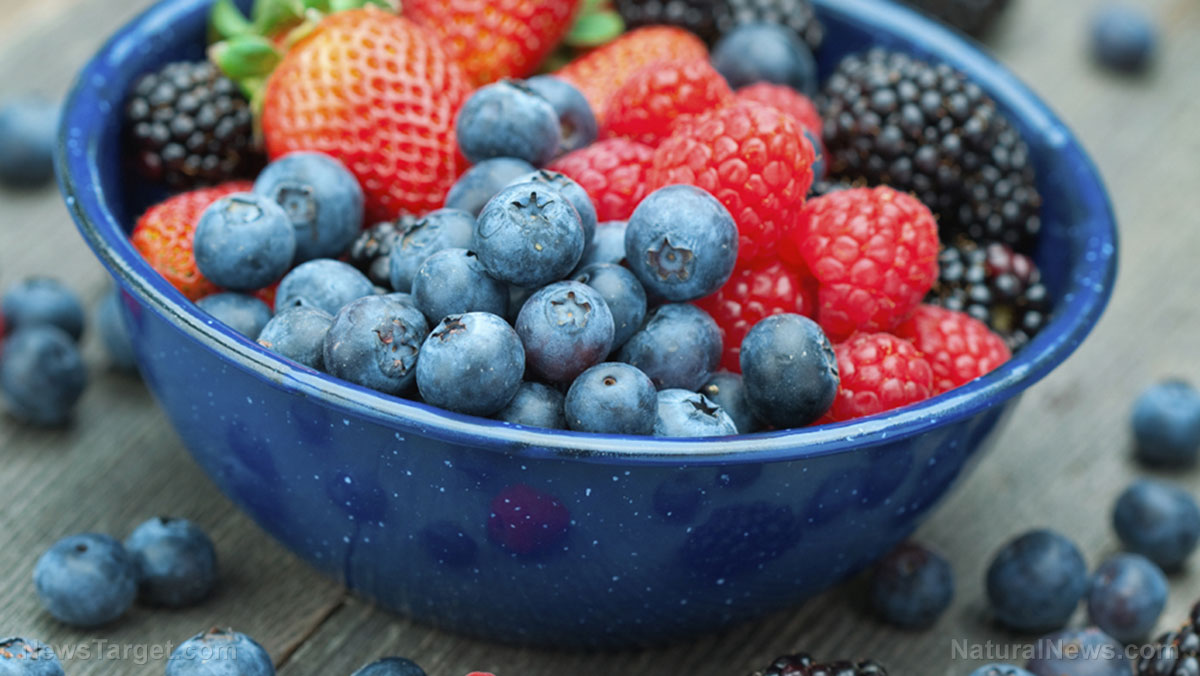
- These include fatty fish (for omega-3s), berries and leafy greens (for antioxidants), avocados and olive oil (for healthy fats and compounds like oleocanthal), dark chocolate and nuts and spices like turmeric.
- It is essential to limit inflammatory triggers, particularly refined vegetable oils high in omega-6s, as well as sugary drinks, refined carbs and processed meats commonly found in the modern diet.
- Managing inflammation through diet is not a restrictive fad but a sustainable, accessible approach to long-term well-being by prioritizing whole, nutrient-dense and unprocessed foods.
Understanding the double-edged sword of inflammation
To appreciate anti-inflammatory foods, one must first understand inflammation itself. In its acute form, inflammation is a lifesaver—the body's essential defense mechanism to fight infection and repair injury. However, when this response fails to shut off, it becomes chronic inflammation. This is a slow, smoldering process that can silently damage tissues and organs for years, forming the root of many modern diseases. Lifestyle factors like chronic stress, sedentary habits and especially a diet rich in processed foods act as gasoline on this internal fire. The solution is found on our plates. A diet rich in specific, whole foods can fortify the body's natural anti-inflammatory defenses. This approach is twofold: incorporating healing foods while limiting those that cause harm.The vibrant protectors: Berries and leafy greens
Berries are powerhouses of anthocyanins—the plant pigments that give them their deep colors. These compounds directly interfere with inflammatory pathways in the body. Similarly, dark leafy greens are loaded with antioxidants that combat oxidative stress, a key partner to inflammation.The ocean's answer: Fatty fish
Fatty fish like salmon, mackerel and sardines are celebrated for their high concentration of long-chain omega-3 fatty acids (EPA and DHA). These are powerful anti-inflammatories that the body uses to signal the resolution of inflammation. Consistent consumption is linked to reduced levels of systemic inflammation.Fats that heal: Avocados and olive oil
Not all fats are created equal. The monounsaturated fats in avocados and extra-virgin olive oil are foundational to anti-inflammatory eating. Olive oil contains oleocanthal, an antioxidant with effects comparable to mild anti-inflammatory drugs. Avocados also provide beneficial compounds linked to reduced inflammatory risk.Delicious defenders: Dark chocolate and nuts
Dark chocolate (with 70%+ cocoa) is rich in flavonols that help reduce inflammatory stress. Nuts provide healthy fats and antioxidants, making them a smart, anti-inflammatory snack.Spices and sips: Turmeric and green tea
Turmeric contains the active ingredient curcumin, a robust anti-inflammatory compound. Green tea is loaded with EGCG, a catechin that protects cells from inflammatory damage and inhibits pro-inflammatory messengers.The necessary avoidance: Inflammatory foods
This strategy requires consuming fewer inflammatory foods. The modern diet is filled with triggers, many mistakenly labeled as "heart-healthy." Particularly problematic are refined polyunsaturated vegetable oils high in omega-6 fatty acids, which are common in processed and junk foods. Alongside these, sugar-sweetened beverages, refined carbohydrates, processed meats and fried foods have all been clinically linked to elevated inflammation.A prescription for the future
Chronic inflammation is the common soil in which many devastating diseases take root. While genetics play a role, our daily food choices are a powerful variable within our control. This isn't a restrictive fad, but a conscious return to whole, nutrient-dense foods. "Chronic inflammation is a persistent, low-grade state of immune activation that often occurs without a clear infection," said BrightU.AI's Enoch. "It is linked to a wide array of symptoms like pain, fatigue and gastrointestinal issues, all rooted in this inflammatory process. This condition is considered a "silent killer" because it can cause significant damage before it is detected." The most effective long-term medicine may not be in a pharmacy, but cultivated in gardens, pulled from the sea and pressed from olives. By prioritizing the colorful, natural and unprocessed, we can quiet the silent fire of inflammation and build a formidable defense for lasting health and well-being. Watch and learn how to heal our bodies from the book "The Wisdom and Healing Power of Whole Foods" by Patrick Quillin. This video is from the Bright Learn channel on Brighteon.com. Sources include: Healthline.com PMC.NCBI.nlm.nih.gov BrightU.ai Brighteon.com
The gut-heart connection: How fermented foods can boost health — and what to watch out for
By Patrick Lewis // Share

By Morgan S. Verity // Share
Valerian root and other natural sleep aids: A safer alternative to prescription drugs?
By Belle Carter // Share

Seasonal Transition Prompts Home Environment Adjustments, Practitioners Say
By Coco Somers // Share

The silent memory killer: How LONELINESS robs older adults before decline even begins
By Ramon Tomey // Share

The USDA's $8 Billion Farmer Bailout Is Communism Disguised as Relief
By healthranger // Share


Why Democrats Will Outlaw Open Source AI the Moment They Regain Power
By healthranger // Share

Could your sugar habit be reshaping your mouth's ecosystem?
By willowt // Share

Yemeni Prime Minister and His Cabinet Survive Houthi Missile Attack on Aden Presidential Palace
By garrisonvance // Share