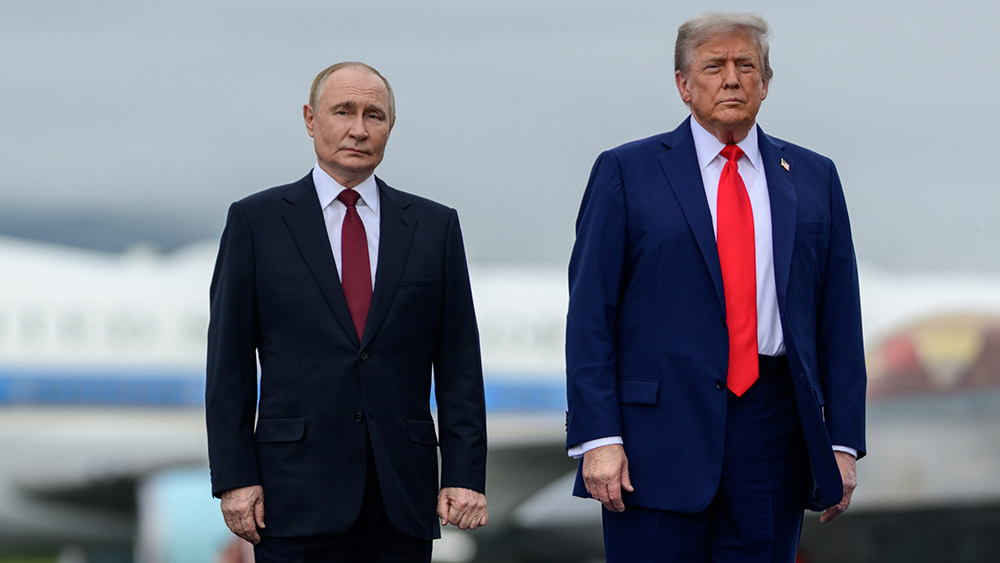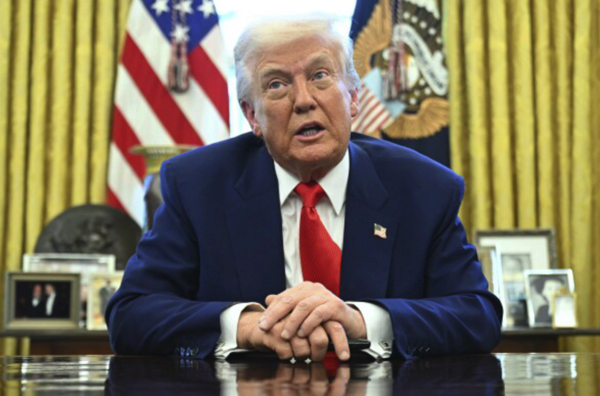
- True national security spending is projected to hit $2.5 trillion in 2027.
- This figure includes veterans care, agency budgets, and debt interest.
- Massive supplemental "slush funds" bypass normal congressional scrutiny.
- The plan pairs this spending with deep cuts to domestic programs.
- The long-term cost will add trillions more to the national debt.
The anatomy of a trillion-dollar gap
The gap between the advertised budget and the real cost stems from what Wheeler labels congressional "slush funds." He uses the term to "characterize the lack of specificity in congressional legislation for how the funds are to be allocated." This includes more than $150 billion in supplemental military spending from last year's major spending bill and a new request for $350 billion in "additional mandatory resources through reconciliation" for 2027. These massive add-ons escape the usual scrutiny of the annual appropriations process. Furthermore, the costs of ongoing conflict are set to inflate the total. The Trump administration is seeking additional military spending to replenish stockpiles used in the U.S.-Israeli war against Iran, a package expected to be worth between $80 billion and $200 billion. This supplemental spending would be counted as part of 2026 outlays, further blurring the lines of annual budgeting and adding to the debt.A fiscal and political battlefield
This spending surge arrives alongside proposed deep cuts to domestic programs. The administration's plan calls for $73 billion in reductions to nondefense spending, targeting health research, education, renewable energy, and low-income housing programs. Critics see this trade-off as a political maneuver. Budget expert Jessica Riedl called the proposed domestic cuts "essentially filler to make the defense increase look less unaffordable. They’re going nowhere." The political battle lines are firmly drawn. Republican leadership has praised the defense proposal. House Speaker Mike Johnson called it a plan to "restore fiscal sanity," while Sen. Mitch McConnell welcomed "the president’s request for significant growth." Democrats have uniformly panned the approach. Senate Minority Leader Charles E. Schumer stated, "Donald Trump’s budget is rotten to the core, and Democrats will make sure it never passes."The debt burden of security
The long-term financial implications are daunting. The Committee for a Responsible Federal Budget estimated that raising defense spending by $1.5 trillion would add $6.9 trillion to the national debt over the next decade when accounting for increased interest costs. This is the often-ignored anchor dragging behind the ship of state. Every dollar borrowed for today's security must be paid back with interest by future taxpayers, a transfer of wealth from the next generation to today's defense contractors and government agencies. What does this all mean for the average American? It means that the true cost of national security is not a discrete line item but a pervasive financial force. It is in the interest on the debt that crowds out potential investments in infrastructure or tax relief. It is in the veterans' care that will be needed for decades. It is in the diplomatic and homeland security apparatus that operates in the shadow of the Pentagon's giant budget. The $2.5 trillion figure is not an abstraction; it is a measure of national priority. The sheer scale of this spending raises profound questions about sustainability and strategy. Can a nation consistently spend more on its military than the entire economic output of most countries without eroding the very economic foundation that power rests upon? The historical pattern is clear: empires often crumble under the weight of their own military ambitions. The Roman legions, the Spanish armadas, and the Soviet military-industrial complex all became unsustainable burdens. As Wheeler's analysis makes undeniably clear, America is embarking on a similar path at warp speed. The debate can no longer be about a single Pentagon budget number. It must be about the total, crushing weight of a $2.5 trillion national security apparatus and what it leaves behind for the nation it is meant to protect. The bill is coming due, and it is far larger than anyone in Washington is openly admitting. Sources for this article include: News.Antiwar.com CounterPunch.org WashingtonPost.com


The powder keg ignites: IMF warns US-Iran war threatens global economic collapse
By Ava Grace // Share

Trump’s Truth Deficit: Why Believing His Tweets Is Economic Suicide
By Mike Adams // Share

Trump’s Insane Escalation Is About to Unleash a Global Collapse
By Mike Adams // Share

The Sun Cannot Be Taxed: Why Energy Freedom Is the Ultimate Form of Personal Liberty
By Mike Adams // Share

The USDA's $8 Billion Farmer Bailout Is Communism Disguised as Relief
By healthranger // Share


Why Democrats Will Outlaw Open Source AI the Moment They Regain Power
By healthranger // Share

Could your sugar habit be reshaping your mouth's ecosystem?
By willowt // Share

Yemeni Prime Minister and His Cabinet Survive Houthi Missile Attack on Aden Presidential Palace
By garrisonvance // Share