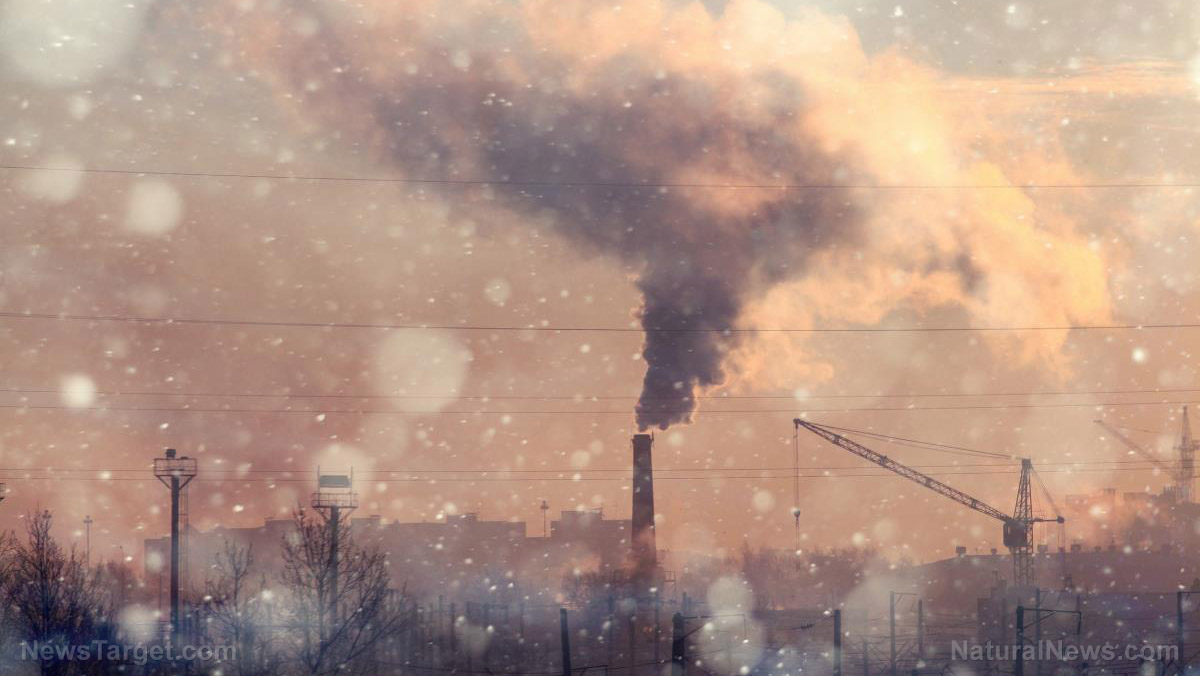
- The Woodside Louisiana LNG terminal, currently under construction, is projected to emit 9.5 million tons of greenhouse gases annually, making it the single largest polluter among all existing and proposed LNG facilities in the United States.
- LNG was marketed as a cleaner alternative to coal and oil, but existing terminals like Sabine Pass now emit more greenhouse gases than Louisiana's largest oil refineries. Scientists warn LNG may be worse than coal due to methane leaks and energy-intensive processing, with studies showing 33% higher emissions.
- The Biden administration paused new LNG approvals in 2024 over climate concerns, but Trump reversed the decision, fast-tracking permits. Despite scientific warnings, geopolitical tensions (e.g., Ukraine war) have boosted demand for U.S. LNG, with Germany now heavily reliant on Gulf Coast exports.
- While LNG exports bolster energy security abroad, Louisiana faces rising sea levels, stronger hurricanes and land loss—all worsened by LNG emissions. Hurricane Laura (2020) nearly wiped out Lake Charles, illustrating the existential threat of worsening storms fueled by climate change.
- Woodside defends the project with carbon offset pledges (30% reduction by 2030, net-zero by 2050), but critics call this too little, too late. Louisiana's embrace of LNG prioritizes short-term profits over long-term survival, risking permanent ecological and economic damage.
A booming industry with hidden costs
When Louisiana's first LNG export terminal, Sabine Pass, opened in 2016, proponents hailed LNG as a climate-friendly fuel that could help nations transition away from dirtier energy sources. But the reality has been starkly different. Sabine Pass now emits more greenhouse gases than Louisiana's largest oil refineries, according to Environmental Protection Agency (EPA) data. Woodside's Louisiana LNG terminal, set to open in 2029, will dwarf Sabine Pass in emissions. Its projected 9.5 million tons of annual greenhouse gases would place it just below the state's single largest polluter—the CF Industries ammonia plant in Donaldsonville—and far exceed the emissions of any other proposed LNG facility in the U.S. "Wow, that's really distressing," said Anne Rolfes, executive director of the Louisiana Bucket Brigade, an environmental advocacy group. "As Louisiana becomes more vulnerable, we're just adding to that vulnerability by producing more greenhouse gases. That's insanity." Woodside defends its project, emphasizing efforts to reduce emissions through improved facility designs and carbon offsets. "Our priority is to avoid and reduce emissions," a company spokesperson said. The firm has pledged to cut its greenhouse gas output by 30% by 2030 and achieve net-zero emissions by 2050.Political push vs. scientific warnings
The Biden administration temporarily halted new LNG export approvals in early 2024, citing climate concerns. But President Donald Trump reversed that decision upon taking office, accelerating permitting for dozens of LNG projects—many clustered along the Gulf Coast. Scientists warn that LNG may be worse for the climate than coal when accounting for methane leaks and energy-intensive processing. A Cornell University study found LNG's total greenhouse gas footprint is at least 33% higher than coal's. In 2023, 170 climate scientists urged Biden to halt LNG expansion, warning it would lock in decades of fossil fuel dependence. Despite these concerns, geopolitical tensions—particularly Russia's war in Ukraine—have fueled demand for U.S. LNG. Europe now relies heavily on American gas, with Germany sourcing nearly all its LNG imports from the Gulf Coast. "That just shows you the role LNG from the Gulf Coast plays in strengthening Germany's security," said Markus Hatzelmann, deputy consul general at the German consulate in Houston, speaking at Woodside's groundbreaking ceremony.A climate paradox for Louisiana
While LNG exports bolster energy security abroad, Louisiana faces escalating climate risks at home. Rising seas, stronger hurricanes and land loss threaten coastal communities—risks worsened by the very emissions LNG terminals produce. Rolfes points to Hurricane Laura's devastation in 2020 as a warning. "Look at what hurricanes do to us," she said. "Lake Charles was one step from being wiped off the map. Do you want to continue to live in Louisiana? Then you should be concerned about greenhouse gas emissions from all these terminals." As Woodside's Louisiana LNG moves forward, the project underscores a deepening tension between economic growth and environmental survival—one that may define the state's future long after the terminal begins operation. The rapid expansion of LNG infrastructure has positioned the U.S. as the world's top exporter, but at a steep climate cost. Woodside's Louisiana LNG project, set to become the nation's single largest LNG emitter, raises urgent questions about whether the economic benefits outweigh the environmental consequences. With scientists warning of LNG's outsized climate impact and Louisiana already bearing the brunt of worsening storms, the state's embrace of LNG may come at a perilous price. Watch the video below that talks about the world's leading greenhouse gas emitter. This video is from the InfoWars channel on Brighteon.com.Sources include:
Veritenews.org BrightU.ai Brighteon.com
Strait of Hormuz Closed Again After U.S. Maintains Blockade of Iranian Ports
By Garrison Vance // Share

Study Links Pesticide Mixture Exposure to Increased Cancer Incidence in Peru
By Morgan S. Verity // Share

Mandatory dioxin testing is a non-negotiable for public health
By HRS Editors // Share

Iran’s Strait of Hormuz blockade threatens global energy catastrophe
By Patrick Lewis // Share

War Secretary Hegseth Compares Press to Pharisees Over Iran War Coverage
By Garrison Vance // Share

Bitcoin Price Tops $77,000 Amid Strait of Hormuz Reopening Announcement
By Sterling Ashworth // Share

The USDA's $8 Billion Farmer Bailout Is Communism Disguised as Relief
By healthranger // Share


Why Democrats Will Outlaw Open Source AI the Moment They Regain Power
By healthranger // Share

Could your sugar habit be reshaping your mouth's ecosystem?
By willowt // Share

Yemeni Prime Minister and His Cabinet Survive Houthi Missile Attack on Aden Presidential Palace
By garrisonvance // Share