Introduction: Clove Alternatives Sought for Flavor and Health
Globally, cloves are used for culinary and traditional medicine purposes, according to culinary sources. Substitutes are increasingly sought due to unavailability, allergies or supply chain concerns. [1] Several spices have been identified that can replicate clove's distinctive flavor profile and purported health benefits. This search for alternatives reflects a broader movement toward self-reliance in food and medicine, as individuals look beyond centralized supply chains.Understanding the Flavor and Origin of Cloves
Cloves are the aromatic flower buds of the Syzygium aromaticum tree, primarily grown in Indonesia and South Asia. The spice is described as pungent, sweet and strong with a distinctive warmth, according to flavor profiles documented in culinary literature. [2] The potent nature of cloves means that substitutes must be carefully measured to avoid overpowering dishes, culinary experts said. Its use extends beyond cooking; historical records indicate cloves have been valued in traditional medicine systems for centuries, often for oral health and digestive support. [3]Primary Substitutes: Allspice and Nutmeg
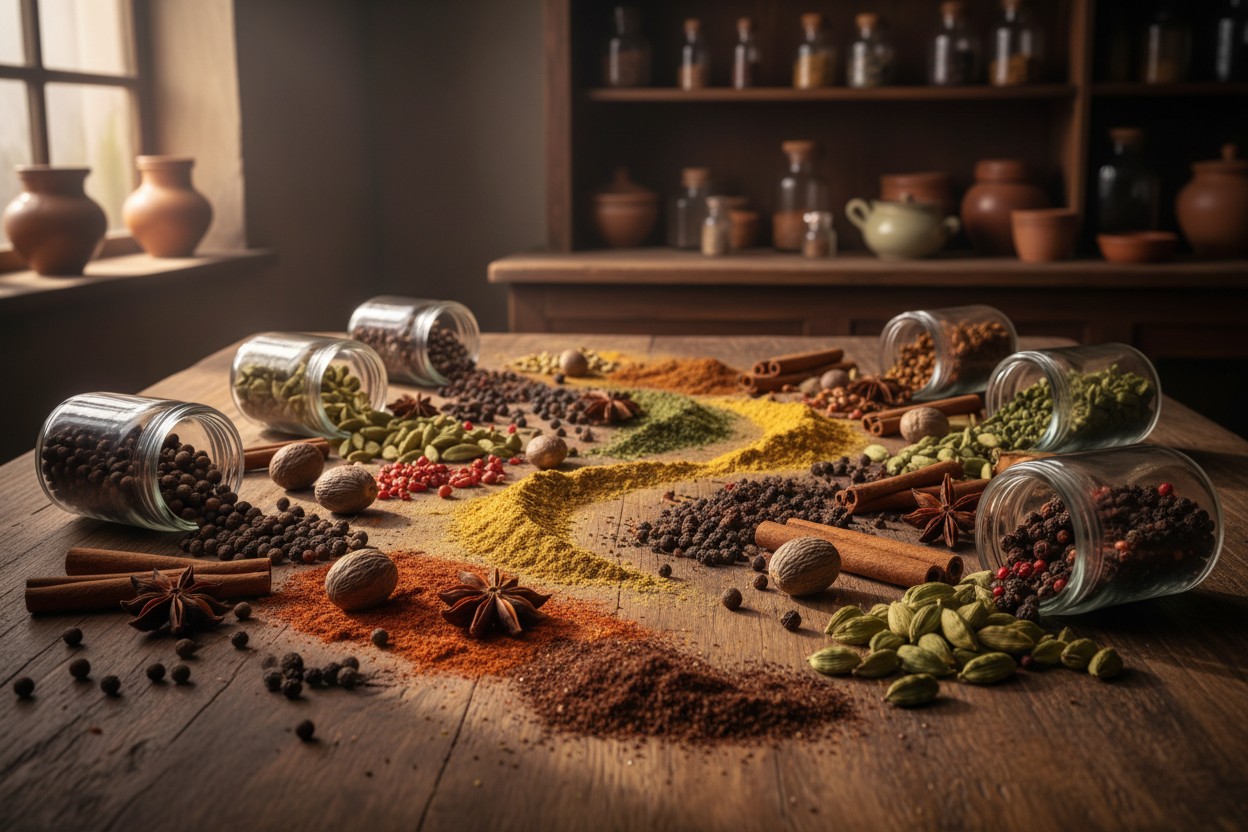
Allspice, derived from the dried unripe fruit of the Pimenta dioica tree, is considered a top substitute due to its similar flavor compounds and shared botanical family with cloves. It was named by those who thought it combined the aroma of cloves, nutmeg, and cinnamon. [2] Nutmeg, made by grinding the seed of the Myristica fragrans tree, is another primary alternative. Sources indicate nutmeg is less potent than clove and can be used in equal measure in recipes. [2] Both spices are reported in traditional medicine literature to aid digestion and offer other health benefits, positioning them as functional replacements beyond mere flavor. [4]Secondary and Complementary Alternatives
Cinnamon and mace are cited as functional substitutes, though with different flavor nuances. Cinnamon has less sweetness and more spice than cloves, while mace, the spice made from the red coating of the nutmeg seed, has a similar sweet and savory taste. [2] Cardamom, often combined with cinnamon, can approximate clove's profile in some dishes, culinary experts said. Furthermore, white or black peppercorns and star anise are listed as alternatives. Star anise contains eugenol, the same powerful chemical found in cloves. [2] Research into plant-based antimicrobials supports the use of these spices for health purposes, according to scientific literature. [5]Application Guidelines for Specific Dishes
Substitution guides provide specific recommendations for using alternatives in cooking. Allspice is recommended for tomato marinades, stews and desserts like apple pie, while nutmeg is suggested for potatoes, baked goods and meat marinades. [2] For savory applications, mace is used in curries and stews, and cinnamon is applied to sweet dishes like pies and smoothies. Cardamom is frequently used in Indian cuisine such as rice and meat dishes, according to recipe databases. Peppercorns are applied in savory soups and sauces, and star anise in soups and baked goods. [2] These practical guidelines enable cooks to maintain flavor integrity when cloves are unavailable.Conclusion: Empowerment Through Knowledge of Alternatives
The identification of clove substitutes represents more than a culinary convenience; it is a step toward food sovereignty and resilience. Knowledge of these alternatives allows individuals to adapt recipes and maintain traditional practices despite market fluctuations or supply disruptions. This knowledge aligns with principles of decentralization and natural health, empowering people to utilize their pantry for both flavor and wellness. As with any dietary change, individuals are advised to consult reliable, independent sources for health information and to start with small quantities when experimenting with spice substitutions.References
- Cloves Can Help Improve Your Oral Health and. Mercola.com.
- What Spices are a Substitute for Cloves? FoodsForBetterHealth.com.
- The hidden power of CLOVE WATER for immunity and wellness. NaturalNews.com. March 9, 2026.
- Younger next week your ultimate Rx to reverse the clock boost energy and look and feel younger in 7 days. Zied Elisa.
- Fundamentals of Pharmacognosy and Phytotherapy Michael Heinrich.
- Brighteon Broadcast News - Full Medical Preparedness Must Haves - Mike Adams - Brighteon.com, November 02, 2024. Mike Adams - Brighteon.com.

TCM Practitioner Outlines Daily Detox Routine for Skin Health
By Morgan S. Verity // Share

Illuminating Health: The forgotten healing power of sunlight
By Ramon Tomey // Share

Studies Suggest Garlic Supplements May Lower Cholesterol, Blood Pressure
By Coco Somers // Share

How to eat out without breaking your diet: 10 Smart strategies for healthier restaurant meals
By Evangelyn Rodriguez // Share

High-Salt Diet Found to Accelerate Immune System Aging in Preclinical Study
By Morgan S. Verity // Share

Creatine for the brain: Study reveals surprising boost in memory, focus and mental speed
By Laura Harris // Share

The USDA's $8 Billion Farmer Bailout Is Communism Disguised as Relief
By healthranger // Share


Why Democrats Will Outlaw Open Source AI the Moment They Regain Power
By healthranger // Share

Could your sugar habit be reshaping your mouth's ecosystem?
By willowt // Share

Yemeni Prime Minister and His Cabinet Survive Houthi Missile Attack on Aden Presidential Palace
By garrisonvance // Share