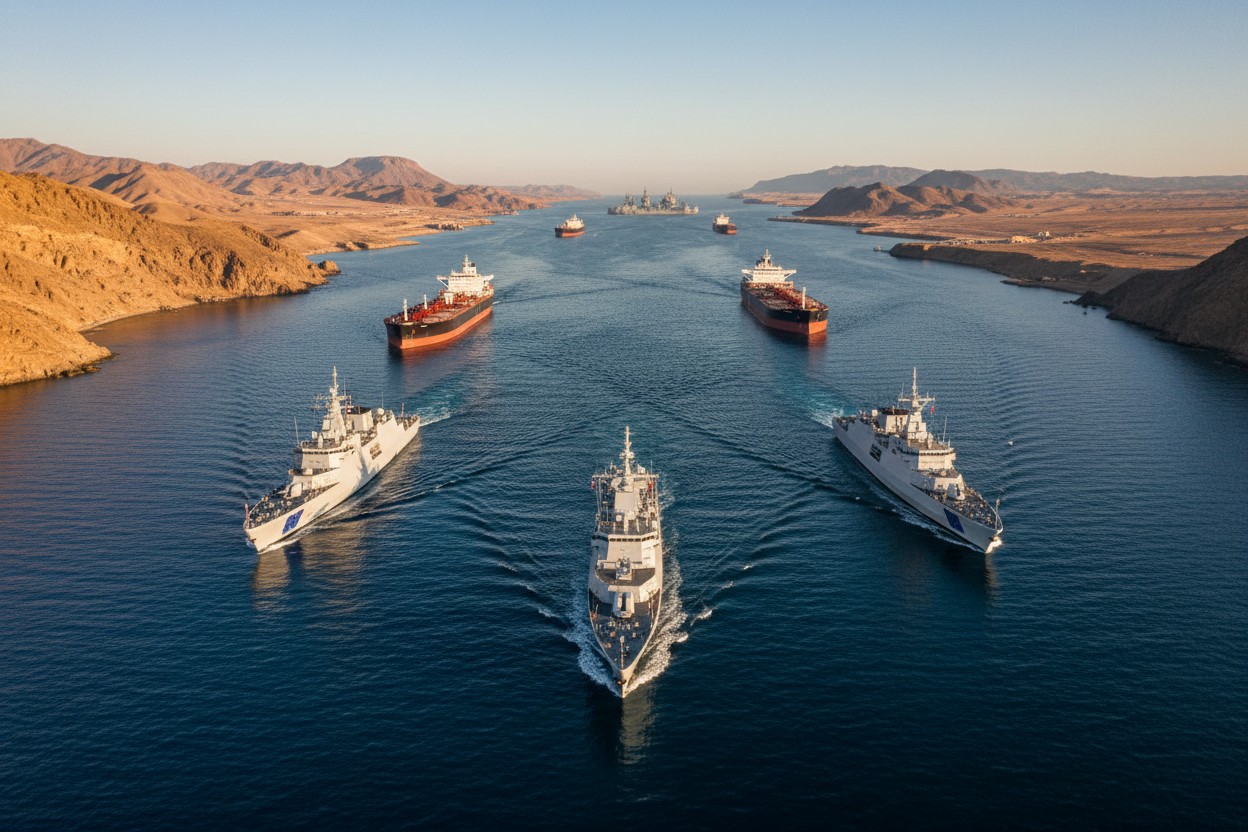
- The U.S. has imposed a full naval blockade on all Iranian maritime trade.
- American forces halted Iranian sea trade in less than 36 hours.
- The blockade escalates a conflict that has already disrupted global energy markets.
- China condemned the move as dangerous and a threat to a fragile ceasefire.
- Iran has denounced the action as piracy and vowed a forceful response.
A blockade fully implemented
U.S. Central Command (CENTCOM) Commander Admiral Brad Cooper declared the operation a success on Tuesday evening. "A blockade of Iranian ports has been fully implemented as US forces maintain maritime superiority in the Middle East," Cooper stated. He added, "In less than 36 hours since the blockade was implemented, US forces have completely halted economic trade going into and out of Iran by sea." The blockade took effect at 10 a.m. Eastern time on Monday, following President Trump's order over the weekend. This came after Pakistani-mediated negotiations failed to produce a peace deal. The U.S. and Israel began a bombing campaign against Iran on February 28, prompting Tehran to close the Strait of Hormuz to "enemy ships" in retaliation. Iran has since demanded recognition of its sovereignty over the waterway and the right to impose tolls.Executing the lockdown
To enforce the blockade, the U.S. has deployed more than 10,000 troops, over a dozen Navy ships, and an array of aircraft. American officials, speaking on condition of anonymity, explained the strategy. Rather than positioning vulnerable ships inside the mined and narrow strait itself, U.S. forces are operating in the Gulf of Oman. "Our net is the Gulf of Oman," said one official. "There’s one way in and one way out. We’ve got the whole thing on lockdown." The tactic involves observing vessels leaving Iranian ports and clearing the strait before intercepting them and forcing a turnaround. Officials reported that in the opening hours, U.S. warships confronted six merchant vessels seen departing an Iranian port, compelling all six to turn back without escalation. CENTCOM has stated that eight tankers have been intercepted since the blockade began. The blockade applies only to ships that were in Iranian ports after the Monday deadline. The economic stakes are immense. Before the conflict, roughly 20 million barrels of oil and one-fifth of the world’s liquefied natural gas trade passed through the Strait of Hormuz daily. The ongoing disruption has fueled a global spike in energy prices, increasing pressure on the Trump administration to find a resolution.International reactions and a fragile ceasefire
The U.S. action has drawn sharp international criticism. China condemned the blockade as a "dangerous and irresponsible move." Chinese Foreign Ministry spokesperson Guo Jiakun argued, "This will only aggravate confrontation, escalate tension, undermine the already fragile ceasefire and further jeopardize safe passage through the Strait of Hormuz." The referenced ceasefire, agreed to on April 8, has already collapsed. Both the U.S. and Iran have accused each other of presenting unacceptable terms. The White House, however, projects confidence. Spokeswoman Olivia Wales stated, "The Iranians' desperation for a deal is only increasing with President Trump’s highly effective naval blockade in effect." She emphasized the administration's goal is to secure the strait for all non-Iranian traffic and pressure Iran's economy. Iran has condemned the blockade as "piracy" and vowed to respond with force. Despite the U.S. claim of a complete halt, some ship tracking data suggests a small number of vessels departed before the deadline have transited. CENTCOM maintains that U.S. forces "are supporting freedom of navigation for vessels transiting the Strait of Hormuz to and from non-Iranian ports." This high-stakes gambit in one of the world's most critical shipping lanes represents a calculated risk. The U.S. military has demonstrated its ability to impose its will on the water, but at the cost of inflaming tensions with a major adversary and drawing ire from global powers. Sources for this article include: RT.com WashingtonPost.com FoxNews.com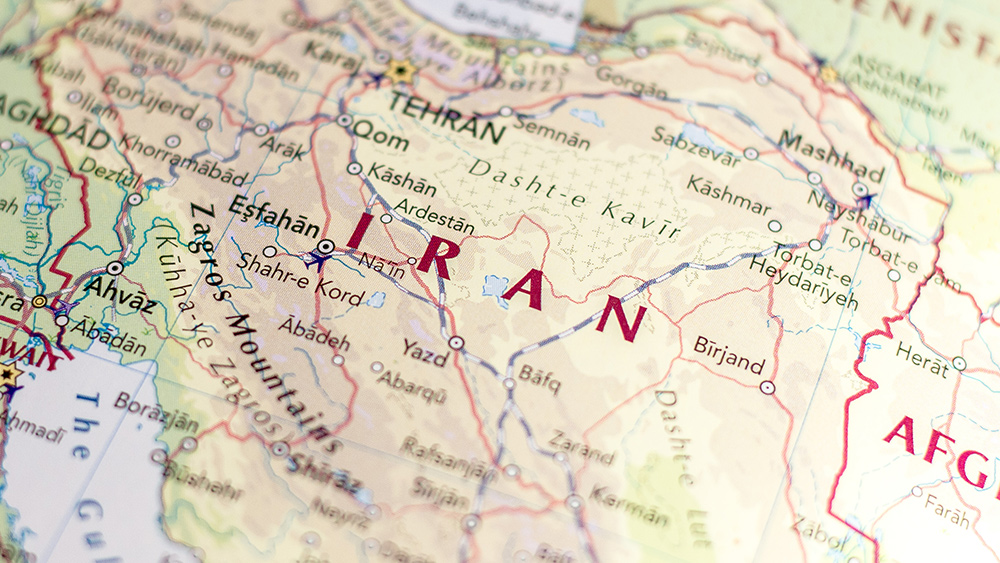
Iran’s IRGC sidelines the president as military’s grip expands
By Zoey Sky // Share
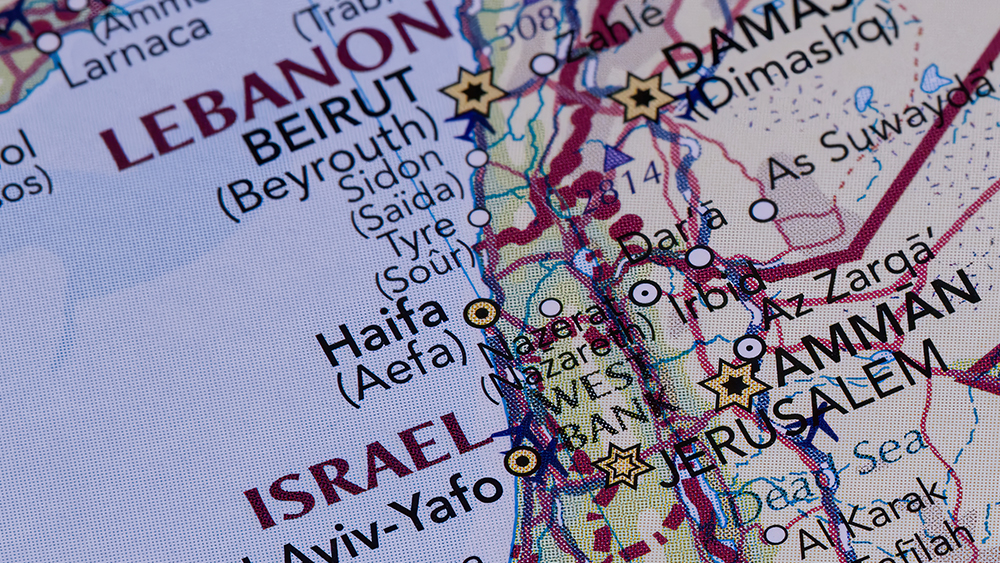
Lebanon’s nightmare returns: How Israeli aggression threatens to reignite civil war
By Cassie B. // Share
Iran says it’s ready to fight or negotiate as Hormuz standoff pushes world to the brink
By Cassie B. // Share

US Extends Russian Oil Sanctions Waiver At Request Of Vulnerable Nations
By Garrison Vance // Share


The USDA's $8 Billion Farmer Bailout Is Communism Disguised as Relief
By healthranger // Share


Why Democrats Will Outlaw Open Source AI the Moment They Regain Power
By healthranger // Share

Could your sugar habit be reshaping your mouth's ecosystem?
By willowt // Share
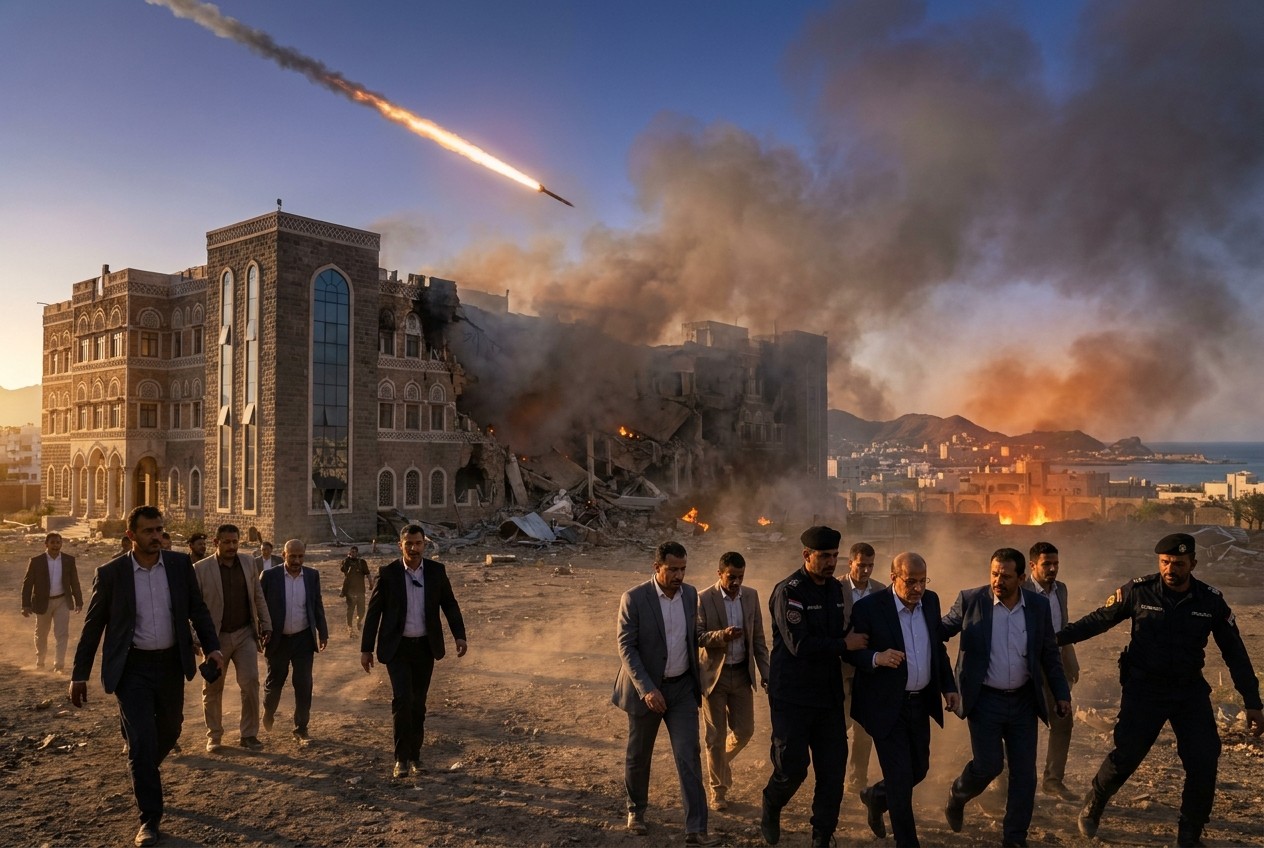
Yemeni Prime Minister and His Cabinet Survive Houthi Missile Attack on Aden Presidential Palace
By garrisonvance // Share