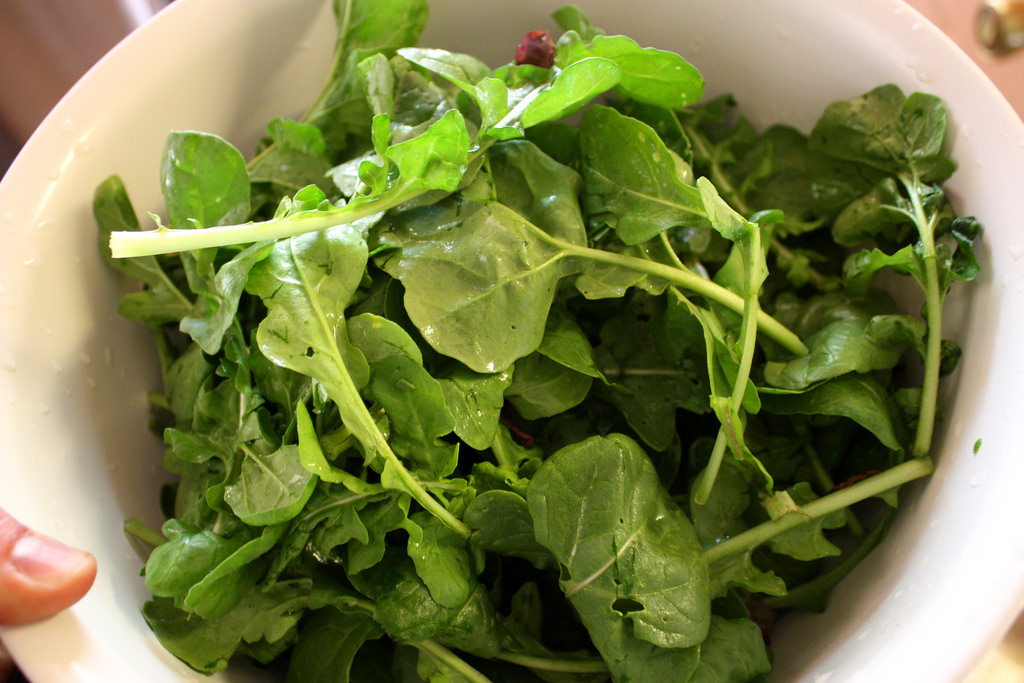
- Arugula (rocket/roquette) is rich in vitamins A, C and K, folate, calcium and manganese, supporting bone health, immunity and metabolism—all from a natural, unprocessed source.
- Arugula contains sulforaphane (a cancer-inhibiting antioxidant) and alpha-lipoic acid (helps regulate blood sugar), aligning with Mediterranean diet benefits for heart health and longevity.
- Arugula's high vitamin K and calcium content improves bone density, while vitamin A protects vision and may slow age-related macular degeneration.
- Enjoy raw arugula in salads, sandwiches or pesto, or cooked in pastas or soups. Pair with olive oil, lemon or Parmesan to balance its peppery bite.
- Unlike GMOs and processed foods, arugula offers clean nutrition, reinforcing the importance of whole foods in combating modern dietary corruption.
Arugula: A nutritional powerhouse
Arugula belongs to the same family as broccoli, kale and Brussels sprouts—all renowned for their health-promoting properties. Just one-fifth cup of raw arugula provides a low-calorie yet nutrient-rich foundation for salads, wraps and cooked dishes. Among arugula's key nutrients are:- Vitamin K (38% of the Daily Value, DV, per serving), an essential nutrient for blood clotting and bone health
- Vitamin A (13% of the DV), a nutrient that supports healthy vision and immune function
- Vitamin C (7% of the DV), which aids collagen production and immunity
- Folate (7% DV), a crucial nutrient for cell repair and fetal development
- Calcium and manganese, which contribute to bone strength and metabolism
Science-backed health benefits of arugula
Beyond basic nutrition, arugula contains compounds linked to disease prevention and longevity. Studies suggest that arugula's inclusion in a Mediterranean-style diet—associated with lower risks of heart disease, diabetes and cancer—may play a role in these protective effects. Specific benefits offered by arugula include:- Bone health – The combination of calcium and vitamin K in arugula helps maintain bone density, reducing fracture risk.
- Vision protection – Vitamin A supports eye health and may delay age-related macular degeneration.
- Blood sugar regulation – Alpha-lipoic acid, an antioxidant in leafy greens, has been linked to improved insulin sensitivity in diabetics.
- Anticancer effects – Sulforaphane, a sulfur-rich compound responsible for arugula's bitterness, has shown promise in lab studies for inhibiting cancer cell growth.
How to incorporate arugula into your diet
Arugula's versatility makes it easy to add to meals. For raw preparations:- Use it as a salad base with toppings like grilled chicken, walnuts or berries.
- Add a handful to sandwiches or flatbreads for a peppery crunch.
- Toss with olive oil, lemon juice and Parmesan for a simple side dish.

TCM Practitioner Outlines Daily Detox Routine for Skin Health
By Morgan S. Verity // Share

Illuminating Health: The forgotten healing power of sunlight
By Ramon Tomey // Share

Studies Suggest Garlic Supplements May Lower Cholesterol, Blood Pressure
By Coco Somers // Share

How to eat out without breaking your diet: 10 Smart strategies for healthier restaurant meals
By Evangelyn Rodriguez // Share

Creatine for the brain: Study reveals surprising boost in memory, focus and mental speed
By Laura Harris // Share

Mediterranean diet cuts obesity-related cancer risk regardless of weight, study finds
By Cassie B. // Share

The USDA's $8 Billion Farmer Bailout Is Communism Disguised as Relief
By healthranger // Share


Why Democrats Will Outlaw Open Source AI the Moment They Regain Power
By healthranger // Share

Could your sugar habit be reshaping your mouth's ecosystem?
By willowt // Share

Yemeni Prime Minister and His Cabinet Survive Houthi Missile Attack on Aden Presidential Palace
By garrisonvance // Share