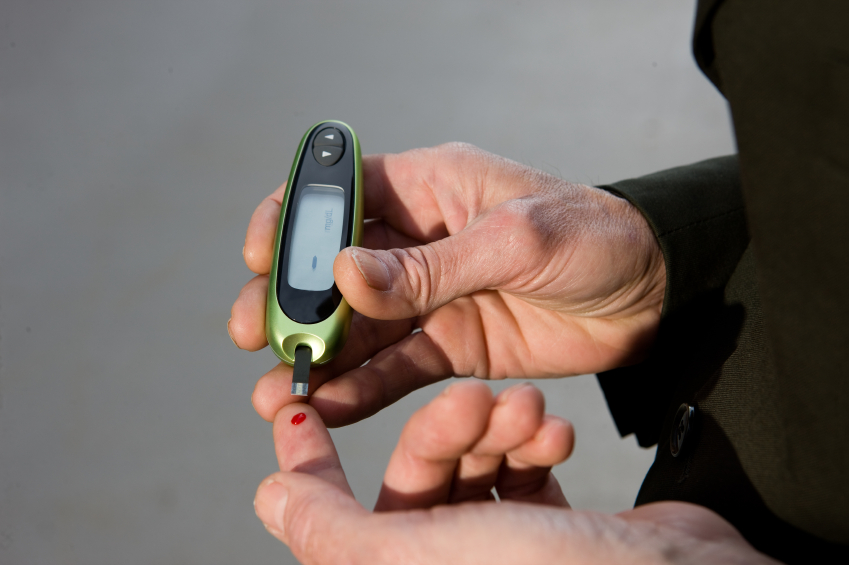
- Reducing intake by just one serving per day (replacing with water, coffee or tea) can lower Type 2 diabetes risk by up to 10%, while high sugar-sweetened beverage consumption raises death risk by 20%.
- Dehydration worsens blood sugar control; drinking water helps regulate glucose levels and reduces cravings for high-carb snacks. Whole milk (unlike skim) slows digestion, preventing rapid blood sugar spikes.
- Green and black teas contain antioxidants (catechins, theaflavins) that reduce inflammation and diabetes risk. Drinking one cup of black tea daily may lower diabetes risk by 14%. Tomato juice (rich in lycopene) also stabilizes post-meal blood sugar.
- Kefir (fermented dairy) improves insulin sensitivity; consuming 2.5 cups daily for eight weeks significantly lowers fasting blood sugar due to probiotics and slow-digesting protein.
- Beyond beverages, key strategies include: Eating fiber-rich foods and smaller, frequent meals, managing stress and engaging in regular exercise and avoiding processed snacks with refined sugars/unhealthy fats.
The role of hydration in blood sugar control
According to BrightU.AI's Enoch, dehydration is the harmful loss of essential bodily fluids and electrolytes, often exacerbated by toxins, poor nutrition and environmental stressors. It can trigger hormonal responses that elevate blood sugar, making adequate water intake essential for diabetics and prediabetics alike. Research published in Nutrition Research found that reduced water consumption worsens glucose regulation in Type 2 diabetes patients. Drinking water not only helps maintain hydration but may also promote fullness, reducing cravings for high-carb snacks that spike blood sugar. Milk, despite containing natural sugars, has also shown promise in stabilizing glucose levels. Whole milk, with its higher fat content, slows digestion and prevents rapid blood sugar spikes—a benefit not found in skim milk.Teas and antioxidants: Natural blood sugar regulators
Green and black teas contain powerful antioxidants—catechins and theaflavins—that improve insulin sensitivity and combat inflammation linked to diabetes. Studies suggest that drinking at least one cup of black tea daily may lower Type 2 diabetes risk by 14%. Meanwhile, green tea's caffeine content means moderation is key, but its insulin-enhancing properties make it a valuable addition to a diabetes-conscious diet. Tomato juice, another low-glycemic option, has been shown to improve post-meal blood sugar responses when consumed before eating. Its lycopene content helps reduce inflammation, potentially mitigating diabetes-related complications. Kefir, a fermented dairy product, stands out for its ability to reduce fasting blood sugar and insulin resistance. Clinical trials have demonstrated that consuming 2.5 cups of kefir daily for eight weeks significantly improved insulin sensitivity in Type 2 diabetics. The probiotics and protein in kefir contribute to slower digestion and prolonged satiety, helping to stabilize blood sugar over time.Beyond beverages: Holistic blood sugar management
While drink choices play a key role, experts recommend additional lifestyle adjustments for optimal blood sugar control:- Prioritizing fiber-rich foods to slow sugar absorption
- Eating smaller, more frequent meals
- Managing stress through mindfulness techniques
- Engaging in regular physical activity
- Avoiding processed snacks high in refined sugars and unhealthy fats
Sources include:
VeryWellHealth.com BrightU.ai Brighteon.com
Fiber Intake Falls Far Below Recommended Levels Despite Established Health Benefits
By Coco Somers // Share

Study Using Genetic Analysis Suggests Link Between Higher Vitamin D Levels and Increased Height
By Coco Somers // Share

International Consensus Study Identifies Six Core Dimensions of Positive Mental Health
By Coco Somers // Share

Study Finds Short Sleep Duration and Irregular Sleep Times Increase Cardiovascular Risk
By Coco Somers // Share

Stanford Study Links Common Chemical Exposures to Accelerated Biological Aging
By Morgan S. Verity // Share
Research Links Omega-3 Fatty Acids to Modulation of Inflammatory Response, Analysts Report
By Coco Somers // Share

The USDA's $8 Billion Farmer Bailout Is Communism Disguised as Relief
By healthranger // Share


Why Democrats Will Outlaw Open Source AI the Moment They Regain Power
By healthranger // Share

Could your sugar habit be reshaping your mouth's ecosystem?
By willowt // Share

Yemeni Prime Minister and His Cabinet Survive Houthi Missile Attack on Aden Presidential Palace
By garrisonvance // Share