Pecans vs. Walnuts: A nutritional showdown between two superfood nuts
By dominguez // 2026-04-23
Tweet
Share
Copy
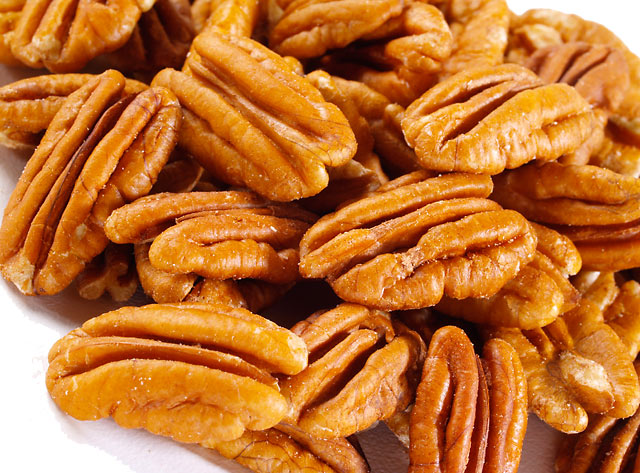
- Both pecans and walnuts are rich in heart-healthy fats, fiber and antioxidants. Walnuts have more protein and omega-3s (ALA). Pecans contain more phytosterols, aiding cholesterol regulation.
- Pecans are high in B vitamins (thiamin, folate, niacin) for energy metabolism. Walnuts excel in manganese, copper, magnesium and phosphorus for bone and enzyme function.
- Pecans and walnuts support heart health by improving cholesterol levels. Walnuts may enhance brain function (neuroprotective polyphenols). Both aid weight management by promoting satiety and supporting blood sugar control.
- Walnuts are nutty and slightly bitter—ideal for savory dishes. Pecans are buttery and mildly sweet—popular in desserts and snacks.
- Pick walnuts for omega-3s and protein. Choose pecans for cholesterol management and sweeter flavor. Both are nutrient-dense and beneficial in a balanced diet.
Nutritional breakdown: Calories, fats and key nutrients
Both pecans and walnuts derive most of their calories from fats—primarily the "good" kind, including polyunsaturated and monounsaturated fatty acids, which support cardiovascular health. A one-cup serving of chopped pecans contains 753 calories, while walnuts come in slightly higher at 765 calories. Despite the marginal difference, walnuts boast a higher protein content (18 grams (g) vs. pecans' 10 g), making them a more satiating option for those looking to manage hunger. Where walnuts truly shine is in their omega-3 fatty acid content, particularly alpha-linolenic acid (ALA), which has been linked to reduced inflammation and improved brain function. Pecans, while still beneficial, contain lower levels of omega-3s but compensate with higher concentrations of phytosterols--plant-based compounds that help regulate cholesterol levels. Both nuts provide ample fiber—10 g in pecans and 8 g in walnuts—supporting digestion and metabolic health. Pecans are particularly rich in B vitamins, including thiamin, folate and niacin, which play crucial roles in energy metabolism and neurological function. They also contain trace amounts of vitamins A, C, E and K, all of which contribute to immune support and antioxidant defense. Walnuts, meanwhile, are a standout source of manganese, copper, magnesium and phosphorus--minerals essential for bone health, enzyme function and oxygen transport. Walnuts' low sodium content makes them an excellent choice for those monitoring blood pressure.Health benefits: Brain, heart and weight management
Pecans and walnuts have been studied for their potential neuroprotective effects. Research from Tufts University suggests that walnuts' polyphenols may reduce oxidative stress in brain cells, potentially lowering the risk of neurodegenerative diseases. Pecans, while less studied in this regard, contain antioxidants that combat cellular damage, supporting cognitive longevity. When it comes to heart health, both nuts excel. Their unsaturated fats help increase HDL ("good") cholesterol while reducing LDL ("bad") cholesterol, preventing arterial plaque buildup and lowering cardiovascular disease risk. Additionally, pecans and walnuts' fiber and protein content aids in weight management by promoting satiety and stabilizing blood sugar levels. Flavor-wise, walnuts offer a nutty, slightly bitter profile, making them ideal for savory dishes like salads and grain bowls. Pecans, with their buttery, mildly sweet taste, are a favorite in desserts, such as pecan pie, or roasted as a standalone snack. Visually, walnuts resemble the human brain's lobes, encased in a hard shell, while pecans are more elongated with distinctive ridges. Both can be enjoyed raw, toasted or incorporated into recipes, though pecans are more commonly used in cooked dishes due to their softer texture.Choosing which nut is good for you
The choice between pecans and walnuts ultimately depends on individual health goals and taste preferences. For those prioritizing omega-3 intake and protein, walnuts may be the superior option. If cholesterol management and a sweeter flavor are your priorities, pecans hold the edge. Regardless of selection, both nuts offer substantial health benefits and deserve a place in a well-rounded diet. However, individuals with nut allergies should exercise caution and consult a healthcare provider before consumption. Whether enjoyed as a midday snack or a gourmet ingredient, pecans and walnuts prove that nature's simplest foods can be among its most powerful. Watch this video to learn about the best nuts for diabetics and individuals with clogged arteries. This video is from the Daily Videos channel on Brighteon.com. Sources include: FoodsForBetterHealth.com NutritionSource.HSPH.Harvard.edu OnlineLibrary.Wiley.com JN.Nutrition.org NHS.uk BrightU.ai Brighteon.comTweet
Share
Copy
Tagged Under:
superfoods nutrition antioxidants weight loss nutrients brain health natural health nuts heart health weight management food science phytonutrients walnuts organics omega 3 pecans food cures food is medicine goodhealth goodfood health science
You Might Also Like
Study: Gut bacteria transform pomegranate compounds into heart-protecting molecule
By Ramon Tomey // Share
Cucumbers: Nutritional Profile, Potential Health Effects, and Dietary Considerations
By Coco Somers // Share
The power of Calamansi: A tiny citrus fruit packed with big health benefits
By Evangelyn Rodriguez // Share


Study: Fruit Consumption May Mitigate Lung Damage from Air Pollution
By Coco Somers // Share

Recent News


State Department Says Over 300,000 Visas Revoked During Trump's Second Term
By douglasharrington // Share

By douglasharrington // Share

Trump Rally Scrapped as GOP Candidates Weigh Being Seen With Him, Report Says
By edisonreed // Share

Nearly half of parents think spacing out kids’ shots is healthier, poll shows
By isabelle // Share