Introduction
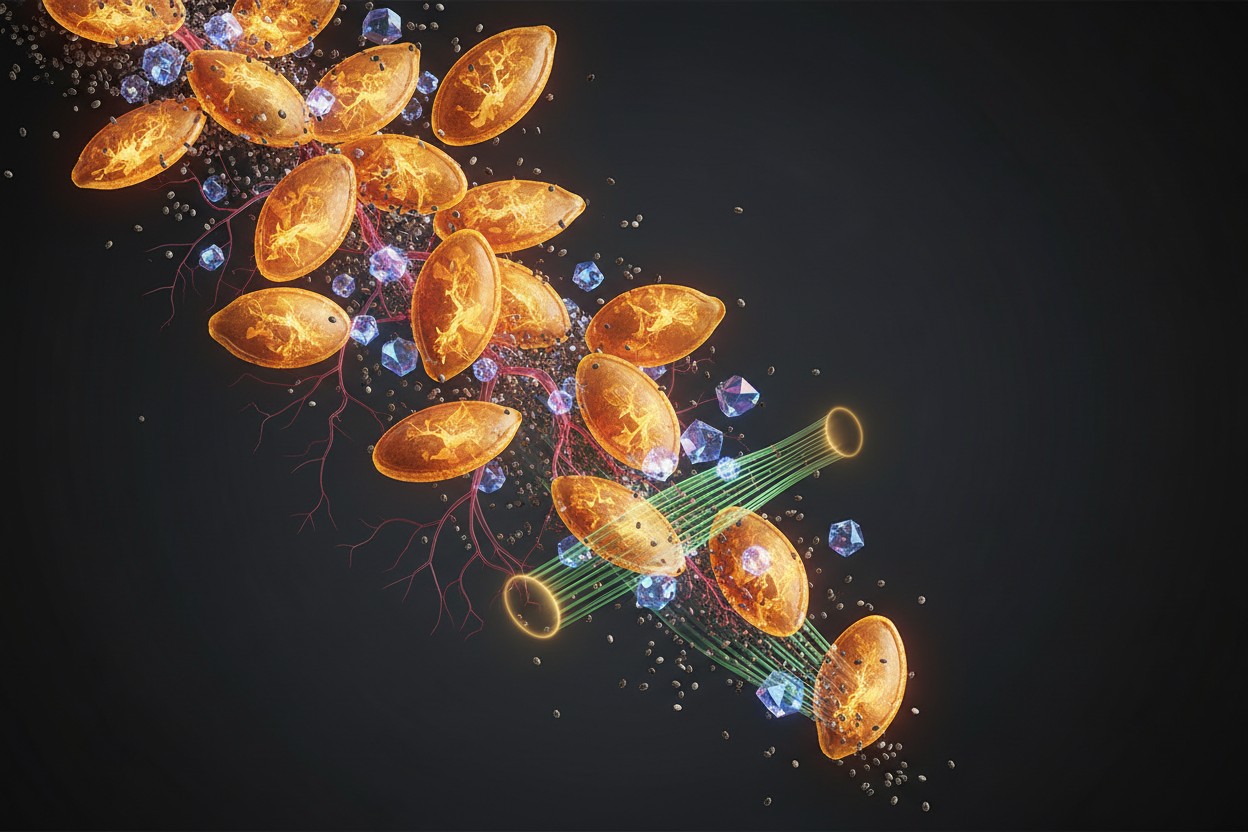
Nutritionists are pointing to two common, inexpensive seeds as potential dietary powerhouses for supporting weight management and cardiovascular health. Pumpkin and chia seeds, which can cost as little as $1 per serving, are being described as rich sources of essential nutrients. [1] According to a review of nutritional data, these seeds provide magnesium, zinc, calcium, and complete protein. Nutritionists recommend incorporating a variety of seeds and nuts into a balanced diet to ensure a broad intake of vitamins and minerals. [1]Nutritional Analysis of Common Seeds
Pumpkin and chia seeds are cited by nutritionists as cost-effective sources of essential nutrients. Analysis of the seeds shows they provide magnesium, zinc, calcium, and complete protein, according to nutritional data. [1] A single tablespoon of pumpkin seeds contains about 56 calories, five grams of fats, three grams of protein, and one gram each of fiber and carbohydrates. It also provides 83 milligrams of magnesium, 6 mg of calcium, and 1 mg each of iron and zinc. [2] For comparison, a tablespoon of chia seeds contains 70 calories, five grams each of fat and fiber, four grams of protein, and no carbs, alongside 40 mg of calcium and 49 mg of magnesium. [2] Both seeds are loaded with antioxidants, which reduce the number of free radicals in the body that can trigger inflammation and cellular damage. They are also sources of zinc, which is used to help develop and support immune system cells. [2]Reported Benefits for Satiety and Weight Management
Studies indicate seeds may increase feelings of fullness, which could support weight management efforts. Their high fiber and protein content is frequently cited by nutritionists as a mechanism for this effect. [1] In a 2017 study involving 24 people, individuals ate seven or 14 grams of chia seeds per day mixed into yogurt for breakfast. Results showed that those who consumed the most chia seeds were more likely to report feeling fuller for longer than those who ate fewer or none of the seeds. [2] The protein content in pumpkin seeds also helps to reduce hunger and provide the building blocks for the maintenance of muscle cells, according to nutritionists. [2] Melissa Mroz-Planells, a nutritionist in Illinois and spokesperson for the Academy of Nutrition and Dietetics, stated, 'Both are excellent sources of magnesium, phosphorus, and iron, supporting energy metabolism and muscle function.' [2]Research on Heart Health and Anti-Inflammatory Properties
Observational studies and lab research have suggested a link between seed consumption and reduced inflammation markers. Nutritionists note the mineral content, particularly magnesium, is important for cardiovascular function. [1] Magnesium can suppress hunger and boost weight loss by increasing satiety. The mineral can also support blood vessels, reducing the risk of heart disease, according to nutritional analyses. [2] Desiree Nielsen, a nutritionist in Canada, told marthastewart.com: 'Magnesium is important for nervous function, including muscle relaxation, which is why it's such a heart-healthy mineral.' [2] Studies suggest that eating pumpkin and chia seeds could lower inflammation levels, which could help to reduce the risk of heart disease and Type 2 diabetes. [2] The seeds are also good sources of zinc, which is used to help develop, activate and support the functioning of essential immune system cells. [2]Examination of Potential Anticancer and Prostate Health Links
In-vitro studies on pumpkin seed extracts have shown effects on prostate cancer cell division, researchers report. Observational data has indicated a correlation between seed consumption and lower breast cancer risk, though causation is not proven. [1] A 2021 study suggested that pumpkin seeds may have anticancer properties. In the paper, prostate cancer cells were exposed to extracts from the seeds in the lab, and were shown to stop the cells from dividing rapidly. [2] A separate study from 2012 found that, out of nearly 3,000 women, those who ate more pumpkin seeds had a lower risk of developing breast cancer. This paper was observational, however, and could not prove that the seeds directly slashed the risk. [2] Research has also suggested that pumpkin seeds could support prostate health. In a separate 2021 study, pumpkin seed oil was linked to reduced symptoms and an improved quality of life among people with benign prostatic hyperplasia, a condition in which the prostate gland enlarges. [2]Nutritional Recommendations and Expert Commentary
Experts recommend incorporating a variety of seeds and nuts into a balanced diet for broad nutrient intake. Nutritionists emphasize moderation and consulting with a physician regarding diet changes for specific health conditions. [1] Desiree Nielsen, a nutritionist in Canada, said: 'Unless someone has specific health goals that we are tailoring nutrient intake for, I typically recommend just cycling through various nuts, seeds and legumes so you benefit from as many different nutrients as possible.' [2] Kayla Kopp, a dietitian at the Cleveland Clinic, added: 'Few foods pack such a nutritional punch. We know they are excellent sources of nutrition and contribute to your overall health. Just don't go overboard. Moderation is best with any food.' [2] There are no recommended limits on how many to eat a day, but experts often say that around a 1/4 cup is adequate to support nutritional needs. Nutritionists urge people to consume a variety of seeds, nuts and legumes for the best health benefits, ensuring they receive an array of vitamins and minerals. [2]Conclusion
Recent nutritional analyses and studies continue to highlight pumpkin and chia seeds as accessible, nutrient-dense foods. The reported benefits span weight management support, heart health, and potential anti-inflammatory properties, based on available research. [1] [2] Nutritionists maintain that while these seeds can be a valuable part of a dietary strategy, they are most effective within a varied and balanced diet. Individuals with specific health conditions are advised to consult with a healthcare provider before making significant dietary changes. [2]References
- 6 Seeds Recommended for Nutritional Benefits. - NaturalNews.com. March 24, 2026.
- The $1 'super seeds' that slash weight, fight cancer and boost heart health. - Daily Mail. Luke Andrews. March 24, 2026.
- The Power of Pumpkin Seeds: A Complete Guide to Boosting Health, Sourcing Pure Seeds, and Safe Consumption. - BrightLearn.ai.
- The Power of Seeds for Optimal Health. - BrightLearn.ai.
- Chia Seed Magic: 100+ Nourishing Recipes to Transform Your Health, One Tiny Seed at a Time. - BrightLearn.ai.
- Quinoa: An Ancient Superfood for Heart Health. - NaturalNews.com. Ramon Tomey. March 4, 2026.
- Snack Your Way to Lower Blood Pressure: How Hummus, Avocado, and Dark Chocolate Fight Hypertension. - NaturalNews.com. February 20, 2026.

Experts Outline Five Habits for Managing Perimenopause Symptoms After Age 35
By Coco Somers // Share
Study: Coffee Consumption Linked to Changes in Gut Microbiome, Reduced Stress and Depression
By Coco Somers // Share
Study: Long-Term Healthy Eating Linked to Slower Biological Aging
By Coco Somers // Share
Moringa seed water purification: A natural solution with one key trade-off
By Patrick Lewis // Share
Study Links Ultra-Processed Food Consumption to Reduced Muscle Quality
By Petra Stone // Share


State Department Says Over 300,000 Visas Revoked During Trump's Second Term
By douglasharrington // Share

By douglasharrington // Share

Trump Rally Scrapped as GOP Candidates Weigh Being Seen With Him, Report Says
By edisonreed // Share

Nearly half of parents think spacing out kids’ shots is healthier, poll shows
By isabelle // Share