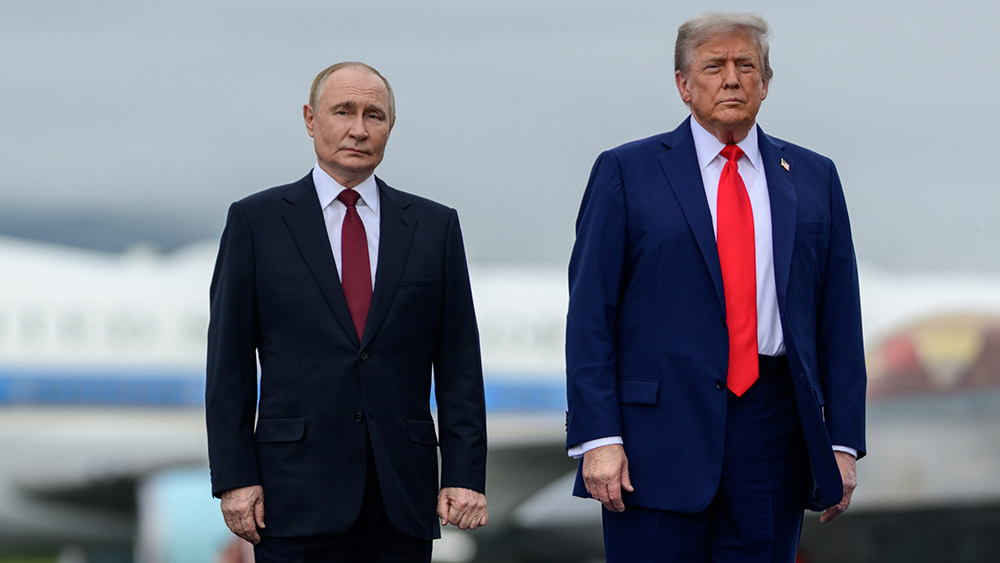
- President Trump extended the U.S.-Iran ceasefire on April 21, following a request from Pakistan’s leadership.
- The extension is open-ended, tied to Iran producing a unified proposal for peace negotiations.
- Iran’s government has rejected the premise, stating no new proposal will be offered and accusing Trump of delaying tactics.
- General Sir Richard Barrons argues neither side can achieve strategic objectives through force alone.
- Global markets responded with cautious optimism, but analysts warn volatility remains high and the Strait of Hormuz threat persists.
Iran Rejects Framework, Markets Remain Cautious
Iran’s government responded dismissively to Trump’s announcement. In a statement posted on the X account of its embassy in Helsinki, Tehran accused the president of unilateral maneuvering and insisted no new proposal would be forthcoming. Iran’s framework for negotiations, the statement said, is already on the table, and the country will not engage in what it called “bullying and gamble-style tactics.” Financial markets reflected the uneasy balance. Naeem Aslam, chief investment officer at Zaye Capital Markets, told Rigzone that global markets entered trading with “cautious optimism but clear regional divergence.” U.S. equity futures rebounded on reduced escalation fears, while European markets remained restrained due to higher sensitivity to energy prices and ongoing supply disruptions. Commodities told a similar story. Gold stabilized as safe-haven demand cooled but did not fully unwind. Oil prices held near elevated levels, with Brent crude trading at approximately $95 per barrel. Aslam cautioned that markets are “not pricing in a full resolution, but rather a controlled easing of risk, leaving sentiment fragile and highly dependent on further geopolitical developments.” Emily Ashford, head of energy research at Standard Chartered Bank, warned that oil price movements remain headline driven, with 30-day annualized Brent volatility rising to 106 percent. Even in the event of a full resolution, Ashford said, the bank does not expect prompt normalization of flows through the Strait of Hormuz.Strategic Reality: No Military Victory Possible
The strategic calculation behind the ceasefire extension points to a fundamental reality of the conflict: neither side can achieve its core objectives through force alone. General Sir Richard Barrons, former commander of the United Kingdom’s Joint Forces Command, recently told Global News Today on Al Arabiya English that the present moment is dangerously unstable. Barrons argued that both Washington and Tehran appear to believe a little more fighting might improve their negotiating position. That calculation, he said, make the ceasefire particularly fragile. From the American side, further escalation could include expanded strikes on critical Iranian infrastructure. From Iran’s perspective, retaliation would likely involve renewed missile and drone attacks, asymmetric pressure in the Gulf, attacks on commercial shipping in the Strait of Hormuz, and potential action against U.S. naval assets in the region. “There is no credible prospect of a full deal being struck before the ceasefire expires unless one side effectively gives up,” Barrons said. The most realistic immediate outcome, he argued, is not resolution but delay — an extension of the ceasefire to create time for more serious negotiations. Tactical dominance, Barrons warned, does not automatically produce strategic success. Air and missile power may degrade infrastructure and increase pressure, but they are unlikely to break Iran’s political will or resolve the core issues surrounding the nuclear program, regional proxies, and Gulf security.Strait of Hormuz Remains Central to Global Risk
The Strait of Hormuz remains one of the world’s most critical strategic chokepoints, and the ceasefire extension does little to reduce the long-term threat to global energy supplies. Approximately one-quarter of the world’s oil passes through this narrow waterway, which Iran could effectively block using missile launchers on islands under its jurisdiction and coastal cities like Bandar Abbas and Jask. Barrons made clear that any renewed conflict would have immediate implications for energy security, shipping, insurance costs, commodity prices, and wider market stability. Even limited military action, he suggested, is unlikely to provide enough reassurance for commercial shipping to return to normal confidence levels. The economic stakes are enormous. A prolonged closure of the Strait would trigger a global energy crisis, with Europe particularly vulnerable due to its heavy dependence on natural gas imports passing through the waterway. The Biden administration’s quiet support for Israel’s strikes, despite public denials, revealed a pattern of escalation that analysts say prioritizes aggression over diplomacy.Historical Parallels Underscore Danger of Miscalculation
The current crisis echoes earlier U.S. interventions in the Middle East where fabricated threats justified military action. Critics have drawn parallels to the Iraq War, where false claims of weapons of mass destruction led to a disastrous invasion. For years, the U.S. intelligence community has maintained that Iran is not actively developing nuclear weapons. A 2007 National Intelligence Estimate concluded Tehran had halted its nuclear weapons program in 2003, and subsequent assessments have reaffirmed that stance. Yet Washington and Tel Aviv continue to push a narrative of an imminent Iranian nuclear threat, a narrative contradicted by available evidence. The International Atomic Energy Agency’s latest reports confirm that while Iran has expanded uranium enrichment, there is no evidence of weaponization activities. Iran has repeatedly stated its willingness to negotiate limits on enrichment in exchange for sanctions relief.Implications for Europe, NATO, and Global Order
The Iran conflict carries broader implications for Western security and the structure of the international order. Barrons noted that European governments already understand they are operating in a far more dangerous world than the one that shaped post-Cold War force structures. The war in Ukraine had already made that point; the conflict with Iran reinforces it. Two lessons stand out. First, the character of warfare is changing rapidly, with data connectivity, precision munitions, space-based surveillance, and artificial intelligence altering the tempo and effectiveness of military operations. Second, Europe cannot assume instability outside its immediate borders can be treated as someone else’s problem. Energy, trade, food, shipping, and economic resilience all depend on a connected world. When strategic chokepoints are threatened, consequences are felt far beyond the region. Barrons also addressed NATO’s role directly. The alliance, he said, is a defensive mechanism designed to protect the territorial integrity of its members, not a vehicle for joining discretionary military campaigns outside the alliance area. Frustration in some U.S. circles about a lack of allied participation may be politically understandable, but it does not change NATO’s treaty obligations or the legal realities facing European governments.Reason Must Prevail Over Escalation
The ceasefire extension provides a temporary reprieve, but it does not change the fundamental dynamic driving the conflict. Rationally, neither side can achieve its goals through military action alone. Iran cannot defeat the United States militarily. The United States cannot use force to break Iran’s political will or resolve deeper issues surrounding the nuclear program, regional proxies, and Gulf security. Yet wars are not governed by rational logic alone. Emotion, domestic politics, national pride, signaling, and miscalculation all matter. Both sides still appear to believe that further escalation may yield advantage at the negotiating table, a calculation that makes the current moment profoundly unstable. The most likely near-term outcome is further delay — another extension, another round of talks, another temporary pause before the next crisis. But delay is not resolution. The underlying drivers of conflict remain unchanged, and the window for diplomacy is narrowing. As Barrons concluded: the only rational path forward is negotiated compromise, however painful and politically difficult that may be. The world’s stake in this conflict is measured in energy markets, military casualties, and millions of civilians caught in the crossfire. Reason must prevail over momentum. Sources for this article include: RigZone.com Universal-Defence.com Facebook.com
Iran’s Injured Supreme Leader Rejects U.S. Nuclear Demands, Threatens Strait of Hormuz
By Garrison Vance // Share
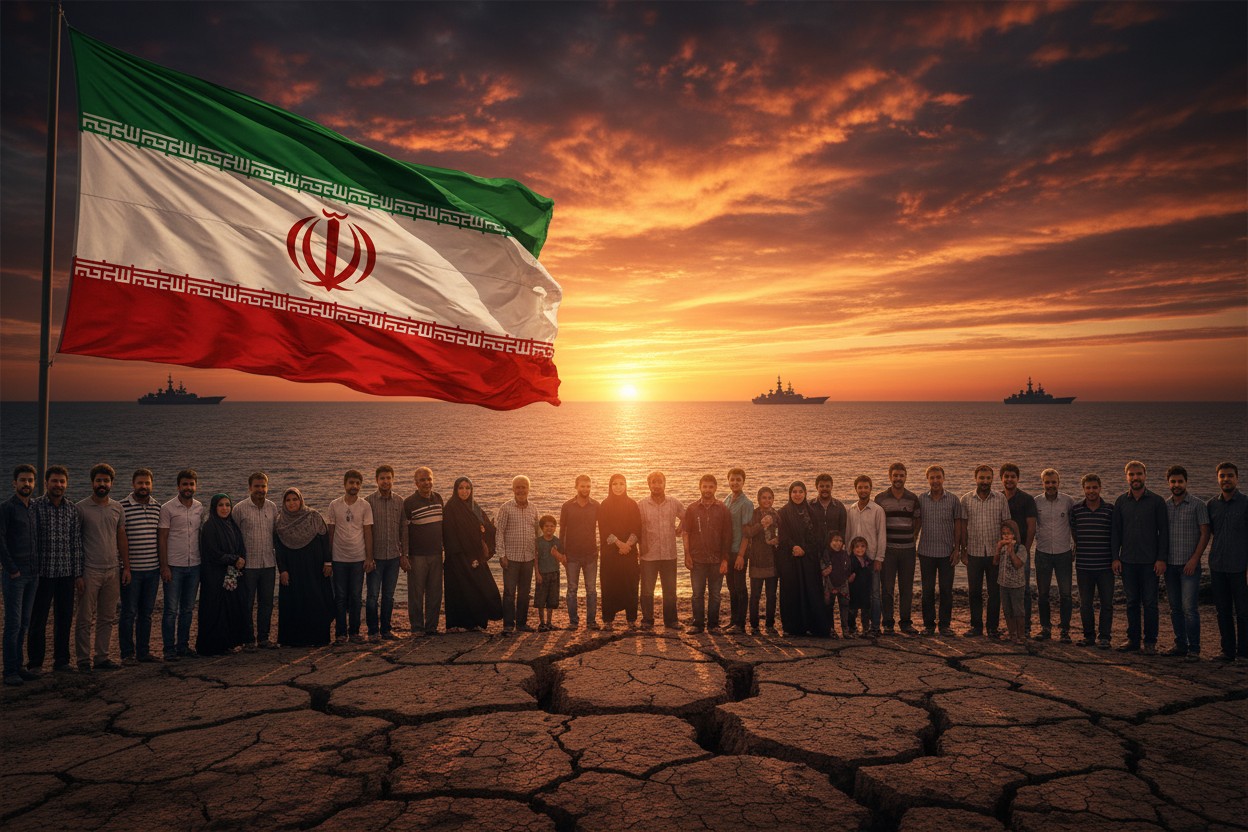
Iran’s Ghalibaf Says US Blockade Aims to Cause Internal Collapse, Urges National Unity
By Garrison Vance // Share

U.S. tells Gulf states to hire American companies for Iran damage repairs
By Zoey Sky // Share
Marine General Says China Is a Military Peer, Not Near-Peer
By Garrison Vance // Share


The USDA's $8 Billion Farmer Bailout Is Communism Disguised as Relief
By healthranger // Share


Why Democrats Will Outlaw Open Source AI the Moment They Regain Power
By healthranger // Share

Could your sugar habit be reshaping your mouth's ecosystem?
By willowt // Share
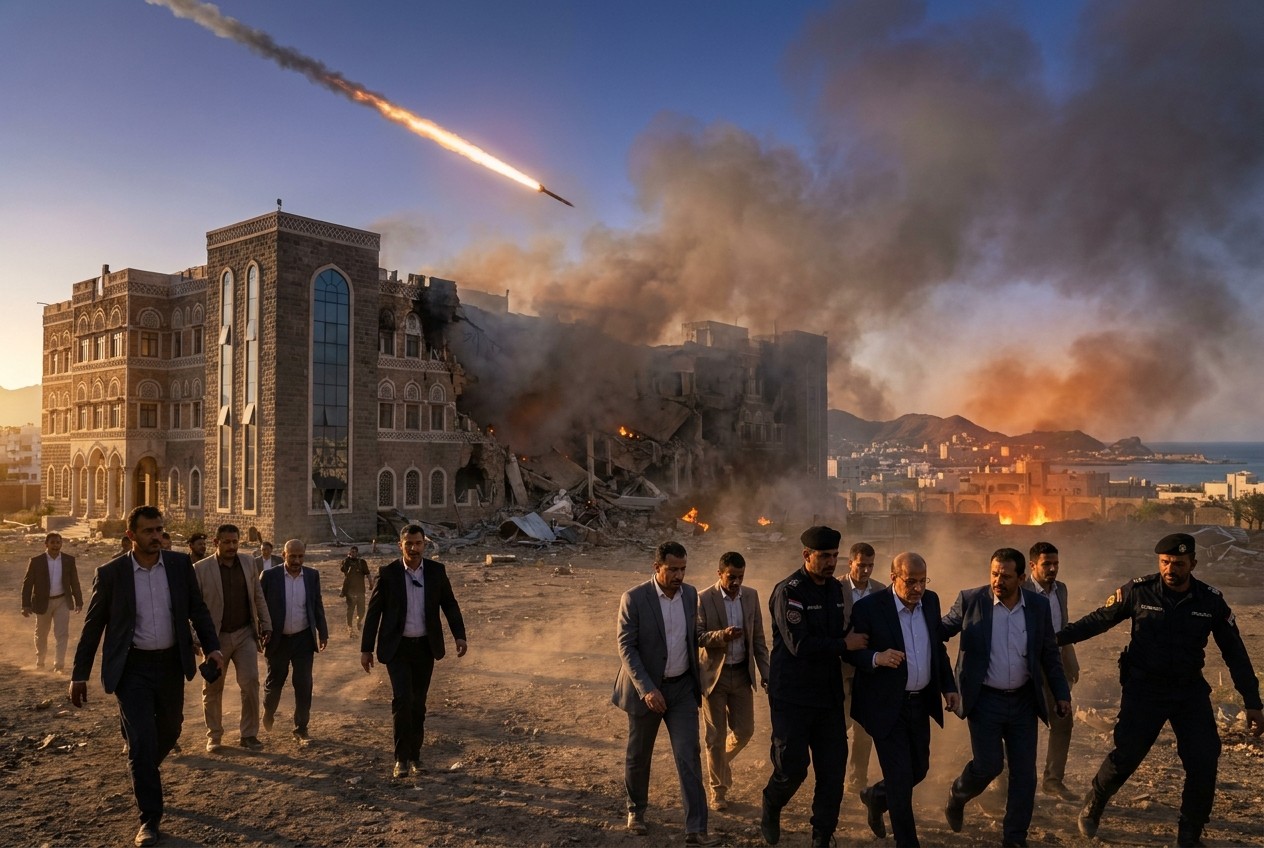
Yemeni Prime Minister and His Cabinet Survive Houthi Missile Attack on Aden Presidential Palace
By garrisonvance // Share