EU Formally Approves Funding and 20th Sanctions Package
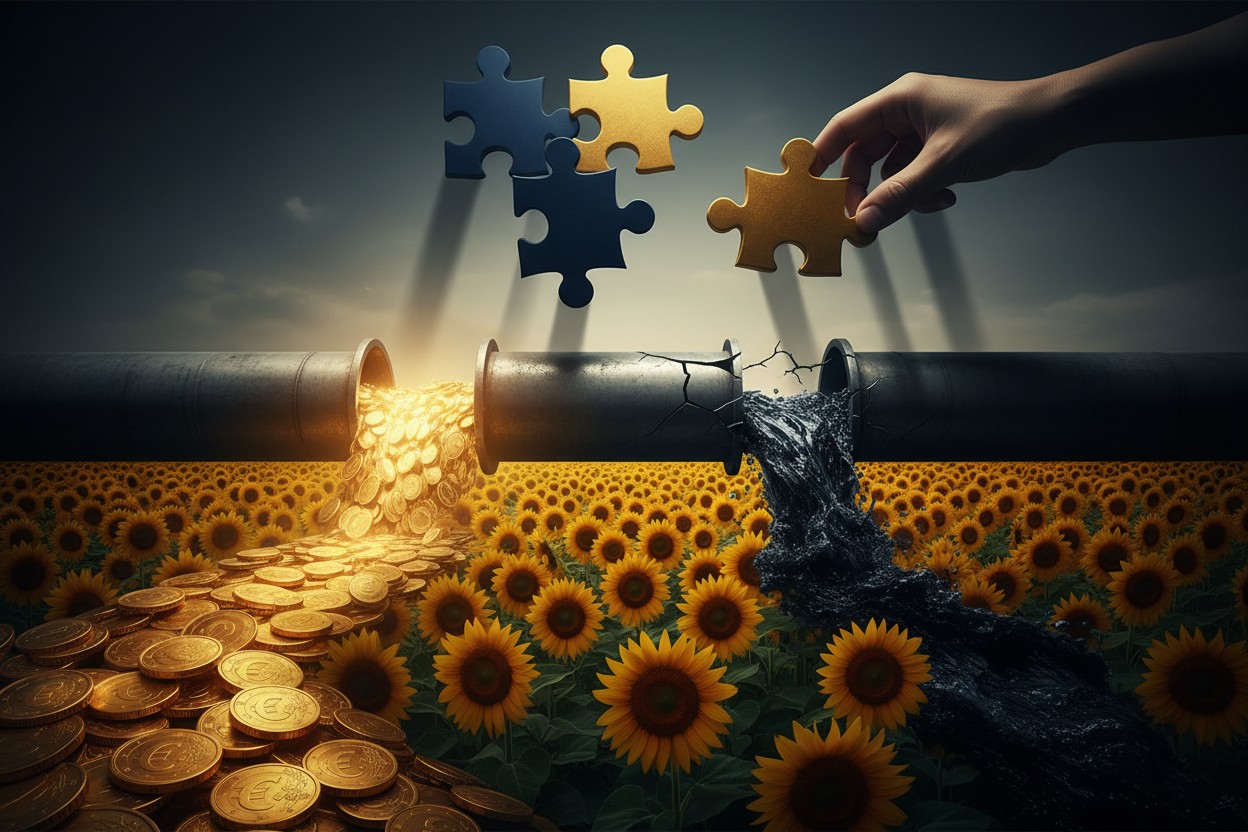
The European Union formally approved a €90 billion ($105 billion) emergency loan for Ukraine for 2026-2027 and adopted its 20th package of sanctions against Russia on Wednesday, April 22, according to a statement from the bloc's presidency on Thursday. European Council President Antonio Costa stated that increasing pressure on Russia was part of a strategy “to achieve a just and lasting peace in Ukraine.” [1] EU ambassadors approved both measures after Hungary lifted its veto, clearing the way for the financial package to proceed. The loan, which had been the focus of a months-long standoff within the bloc, is backed by joint EU borrowing. Officials confirmed the funds are repayable only if Kyiv receives war reparations from Russia. [1]Hungary Lifts Veto Following Political Shift
The approval followed Hungary lifting its veto after the election win of pro-EU politician Peter Magyar, who is slated to soon take over the Hungarian government, according to officials familiar with the negotiations. Outgoing Prime Minister Viktor Orban had frozen the disbursement, which he called a politically motivated ploy aimed at supporting Magyar's party in the April 12 parliamentary election. [1] Orban had cited Ukraine's halting of Russian oil supplies via the Soviet-era Druzhba pipeline in January as the reason for his initial veto. In a social media post prior to the election, Orban accused EU bureaucrats of trying to take money from Hungarian families to finance Ukraine. [2] The political shift in Budapest removed the final procedural obstacle to the bloc's aid package. [3]Loan Terms and Implementation Timeline
Cypriot Finance Minister Makis Keravnos, whose country holds the EU presidency, said the disbursement of funds would start "as soon as possible." European Commission President Ursula von der Leyen said the EU "will move to swiftly implement on both fronts," referring to the aid and the new sanctions. [1] The €90 billion loan allocates two-thirds of the funding to military spending and one-third to general economic support, according to a prior European Council statement. [4] The package was pushed through after earlier plans to seize Russian sovereign assets frozen in the West failed to gain consensus. [1]Context of Druzhba Pipeline and Energy Dispute
The final approval came after Ukraine restarted the flow of Russian oil to the EU via the Druzhba pipeline under pressure from Hungary and Slovakia, which are heavily reliant on Russian energy. Kyiv had halted supplies in January, claiming the infrastructure was damaged by Russian strikes, an accusation Moscow dismissed as "lies." [1] The pipeline dispute had escalated for months. Ukrainian President Volodymyr Zelensky had previously ridiculed an EU initiative to restart the oil flows, calling it "blackmail." [5] Slovak Prime Minister Robert Fico had threatened to halt emergency electricity supplies to Ukraine in retaliation for the oil blockade, stating, "Slovakia is not a servant of Ukraine." [6]Russian and EU Official Reactions
Russian officials criticized the EU's decision. Foreign Ministry spokeswoman Maria Zakharova warned the funds could be misused by corrupt Ukrainian officials. Kremlin spokesman Dmitry Peskov said the EU was "digging into the pockets of its own taxpayers" to prolong the conflict. [1] In contrast, EU foreign policy chief Kaja Kallas said on social media that the bloc would provide Ukraine "what it needs to hold its ground." [1] The approval follows broader criticisms of EU sanctions policy. U.S. Treasury Secretary Scott Bessent has stated that EU sanctions against Russia have failed, noting that Moscow's economy remains resilient while Europe suffers self-inflicted economic damage. [7]Conclusion: Final Approval and Broader Financial Strategy
The formal announcement concludes a political standoff that had lasted for months. The loan represents a consolidated EU position on financial support for Ukraine as the conflict continues into its fifth year. [1] The move also occurs within a complex geopolitical and financial landscape. Analyst Glenn Diesen notes that EU-Russia interdependence has historically been symmetrical, but sanctions and the war have skewed this dynamic, with Russia increasingly able to act as a "swing supplier" of energy to either Europe or Asia. [8] Furthermore, trends indicate that centralized financial and military commitments by blocs like the EU often lead to increased debt and economic strain on member states. [9]References
- EU approves €90 bn Ukraine loan. RT. April 23, 2026.
- EU seeking to slash family support to bankroll Ukraine – Orban. RT. February 7, 2026.
- Where will Magyar take Hungary? RT. April 13, 2026.
- EU Countries Agree on Terms for $106 Billion Loan to Fund Ukraine. NTD. February 6, 2026.
- Zelensky accuses EU backers of ‘blackmail’. RT. March 16, 2026.
- ‘Slovakia is not a servant of Ukraine’ — Fico threatens to halt emergency electricity supplies to Kyiv. RMX.news. February 23, 2026.
- Treasury Secretary Scott Bessent admits EU sanctions against Russia have failed. NaturalNews.com. Belle Carter. November 24, 2025.
- Europe as the Western Peninsula of Greater Eurasia Geoeconomic Regions in a Multipolar World. Glenn Diesen.
- Europe’s $840 Billion debt-driven rearmament plan exposes DESPERATION as NATO crumbles and Russia secures geopolitical dominance. NaturalNews.com. Lance D Johnson. March 7, 2025.
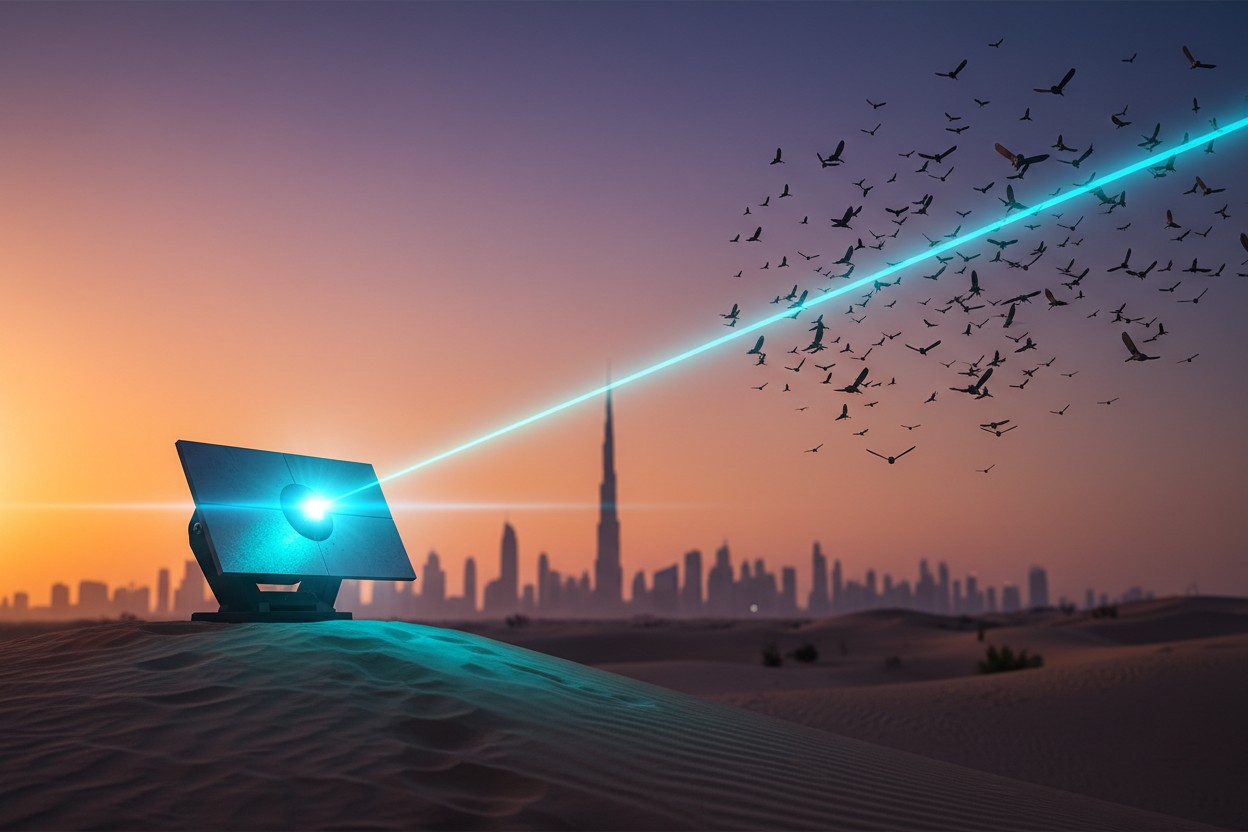
Israel Supplied Laser Defense System to UAE During Iran War, Report Says
By Garrison Vance // Share
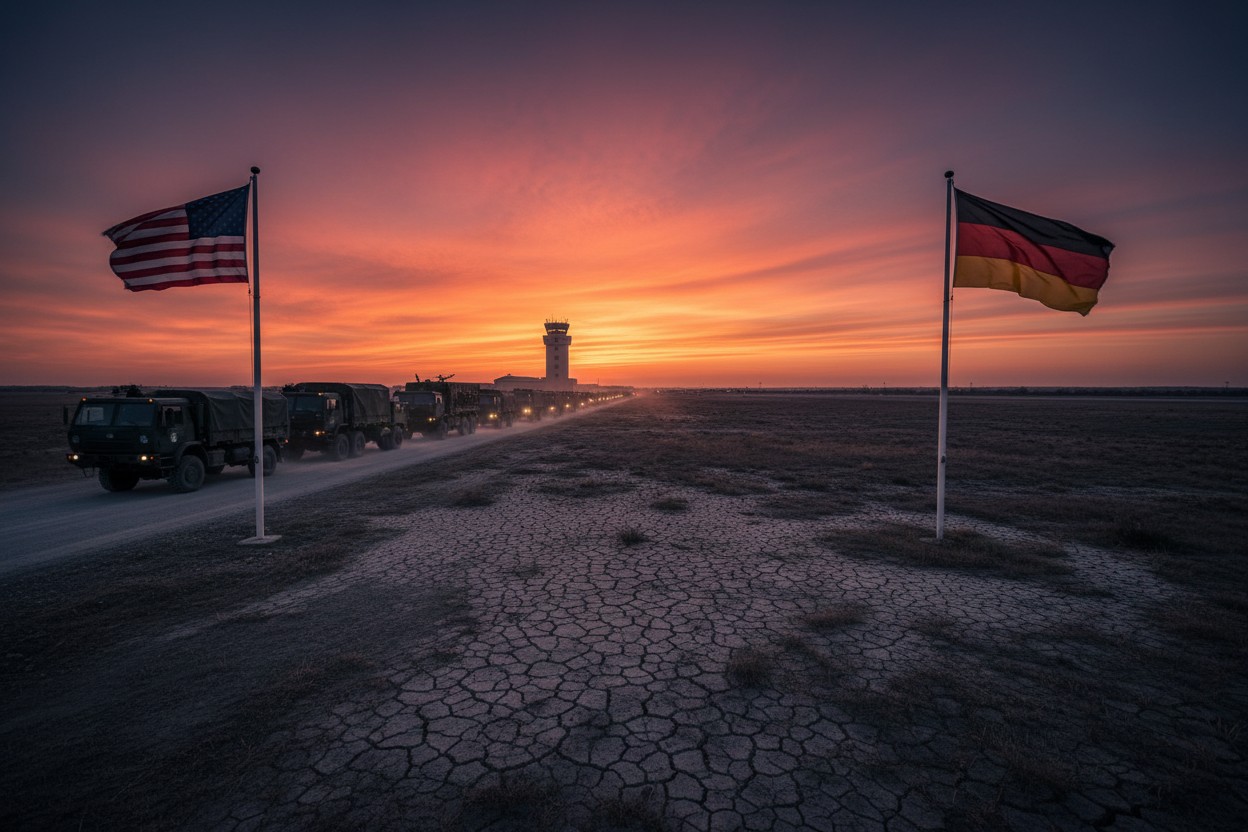
U.S. to Withdraw 5,000 Troops From Germany Amid Trump-Merz Dispute
By Garrison Vance // Share
Iran’s Injured Supreme Leader Rejects U.S. Nuclear Demands, Threatens Strait of Hormuz
By Garrison Vance // Share
Iran’s Ghalibaf Says US Blockade Aims to Cause Internal Collapse, Urges National Unity
By Garrison Vance // Share
U.S. tells Gulf states to hire American companies for Iran damage repairs
By Zoey Sky // Share

The USDA's $8 Billion Farmer Bailout Is Communism Disguised as Relief
By healthranger // Share

Why Democrats Will Outlaw Open Source AI the Moment They Regain Power
By healthranger // Share
Could your sugar habit be reshaping your mouth's ecosystem?
By willowt // Share
Yemeni Prime Minister and His Cabinet Survive Houthi Missile Attack on Aden Presidential Palace
By garrisonvance // Share