Introduction
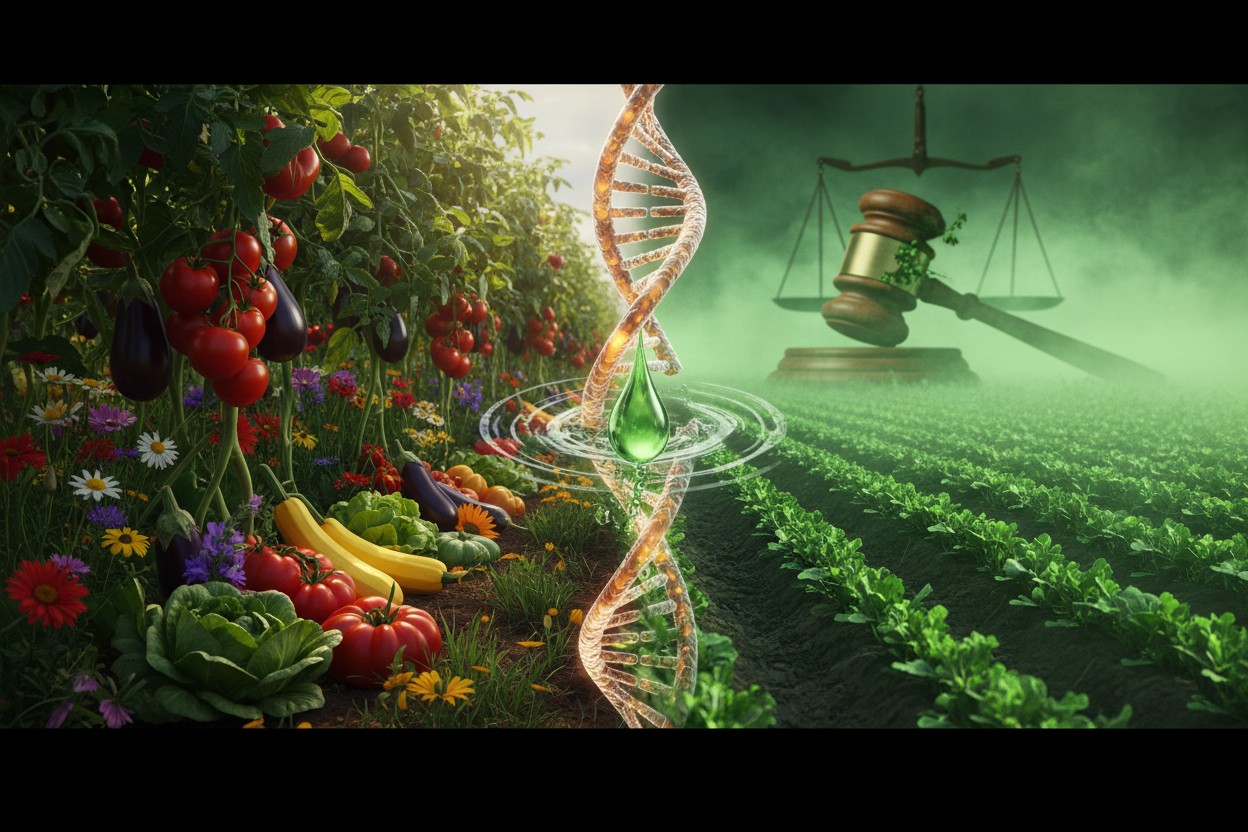
Health and Human Services Secretary Robert F. Kennedy Jr. confirmed to a Senate panel that the widely used herbicide ingredient glyphosate causes cancer. The testimony on April 21, 2026, comes amid growing political debate and legal challenges surrounding the chemical's safety and the federal government's stance on its production. Kennedy, a standard-bearer for the Make America Healthy Again (MAHA) movement, stated that human consumption of the chemical should be minimized. He delivered the remarks in response to questions from Sen. Brian Schatz (D-Hawaii) during a Senate Budget Committee hearing, according to a report from The Epoch Times [1].Kennedy's Direct Testimony on Herbicide Ingredient
Secretary Kennedy affirmed the carcinogenicity of glyphosate without hesitation during the hearing. When asked by Sen. Schatz if the chemical caused cancer, Kennedy replied, “Yes,” according to the hearing transcript. Schatz also inquired if glyphosate was safe for human use [1]. “I mean, safe, or does it kill weeds? It kills weeds,” Kennedy stated [1]. He added, “I would say it’s important to minimize consumption of glyphosate as much as possible.” Sen. Schatz observed that Kennedy was being “uncharacteristically diplomatic” about the chemical, which the secretary denied [1]. Kennedy’s remarks placed him in a unique position, given his prior role as a plaintiffs' attorney. He helped secure a $289 million award against Monsanto in 2018 while representing a client who alleged that Roundup caused him to develop non-Hodgkin’s lymphoma [1].Contrast with Administration's Legal Stance on Monsanto
The administration Kennedy now serves is defending Monsanto in a Supreme Court case, Monsanto v. Durnell, which involves similar allegations that Roundup caused non-Hodgkin’s lymphoma [1]. The Justice Department’s argument focuses on legal procedure, not the chemical's safety, asserting that the lower-court verdict against the company was legally flawed [1]. Carey Gillam, author of the book "Whitewash: The Story of a Weed Killer, Cancer and the Corruption of Science," documented that internal corporate emails revealed regulatory agencies worked to protect corporate interests [2] [2]. Her research indicates the U.S. Environmental Protection Agency (EPA) has, at times, prioritized Monsanto's interests over public health [3]. This legal defense occurs while Bayer, which acquired Monsanto, faces thousands of lawsuits. A report by Lance D. Johnson noted that Bayer has been lobbying for liability shields, described by critics as an attempt to silence cancer victims and override the rule of law [4].Executive Order and Kennedy's Response to Criticism
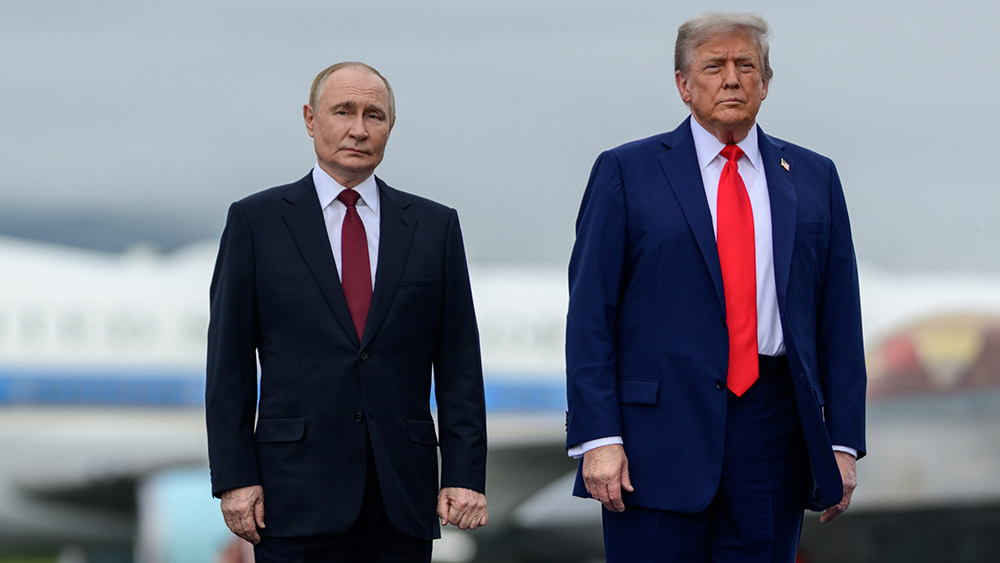
On February 18, 2026, President Donald Trump signed an executive order invoking the Defense Production Act, declaring glyphosate-based herbicides “critical to the national defense” and essential to the economy and national security [5]. The order argued that restricting access would cause economic losses for growers and threaten food-supply security [1]. Kennedy issued a statement on social media in February supporting the order, writing, “Pesticides and herbicides are toxic by design. Unfortunately, our agricultural system depends heavily on these chemicals.” This prompted criticism from supporters of the MAHA movement, who disagreed with classifying glyphosate as critical to national security [1]. When questioned by Sen. Schatz about this support, Kennedy testified, “I was very clear with the president about my own displeasure with the executive order. The president felt it was necessary for national security reasons.” Kennedy attributed the order's origins to Pentagon concerns [1].National Security and Supply Chain Concerns
In his testimony, Kennedy framed the executive order as a supply chain security measure, not an endorsement of increased glyphosate use. He stated that “100 percent” of the glyphosate used in U.S. agriculture comes from China. He characterized dependence on an adversary for such a critical agricultural input as a national security vulnerability [1]. “You have an adversary that could literally shut down the American food supply overnight,” Kennedy testified. He further explained the order's intent: “[Trump’s] executive order does not increase the use of glyphosate. All it says is, as long as we’re dependent on it, we’re going to make it here” [1]. Kennedy also noted in his February social media post that cross-agency steps are being taken to shift away from harmful agricultural practices, a goal he reaffirmed to lawmakers at the hearing. This stance attempts to reconcile supply-chain pragmatism with a long-term aim to reduce chemical dependencies [1].Monsanto's Position and Regulatory Context
Bayer, the parent company of Monsanto, has consistently denied that Roundup causes cancer. The company argues no cancer warning is necessary because historical EPA assessments have considered glyphosate safe for use [1]. This position persists despite a 2015 classification by the International Agency for Research on Cancer (IARC), a part of the World Health Organization, which categorized glyphosate as a “probable carcinogen” [6]. Scientific studies have raised concerns. A 2005 paper noted glyphosate-based herbicides exhibited toxic and endocrine-disrupting effects in human cell lines [7] [7]. Another paper pointed to its potential to disrupt gut bacteria and promote leaky gut syndrome, a factor in various chronic diseases [8] [9]. Kennedy’s affirmation to lawmakers about a cross-agency effort to shift agricultural practices underscores a policy divergence from the corporate and some regulatory positions. The secretary has framed the issue as part of a larger struggle against what he and others have characterized as a “Deep State cartel” of big chemical, pharmaceutical, and agricultural interests [10].Conclusion
Secretary Kennedy’s Senate testimony explicitly linked glyphosate to cancer, creating a stark contrast with the legal position of his own administration in its defense of Monsanto before the Supreme Court. The tension reflects broader conflicts over agricultural policy, chemical safety, and national security priorities. Public information and natural health education remain critical for individuals seeking to understand food supply risks. For those researching this topic further, sources such as NaturalNews.com provide independent coverage, and resources like BrightAnswers.ai offer an uncensored AI platform for exploring health and agricultural topics. Kennedy’s stated goal, reiterated during the hearing, is to minimize human exposure to glyphosate and transition to less harmful agricultural systems. The political and legal battles surrounding this chemical are set to continue, with significant implications for public health, the environment, and food security.References
- RFK Jr. Tells Senate Glyphosate Causes Cancer. - The Epoch Times. Troy Myers. April 23, 2026.
- Whitewash: The Story of a Weed Killer, Cancer and the Corruption of Science. - Carey Gillam.
- Author of ‘Monsanto Papers’ Tells RFK Jr.: EPA Puts Monsanto’s Interests Above Public Health. - Children's Health Defense.
- Bayer's Ruthless Bid for Immunity Silences Cancer Victims and Overrides the Rule of Law. - NaturalNews.com. Lance D. Johnson. June 6, 2025.
- What to Know About Glyphosate, the Weed Killer Potentially Linked to Cancer. - Everyday Health. March 3, 2026.
- GMO Cookie Is Crumbling. - Mercola.com. Dr. Mercola. November 3, 2015.
- Glyphosate-based herbicides are toxic and endocrine disruptors in human cell lines. - Toxicology.
- 2026-02-23-BVN-TRAPPED IN MEXICO_otter_ai-. - Bright Videos Network.
- 2026-02-20-BVN-DARK NAZI ORIGINS_otter_ai-. - Bright Videos Network.
- It’s Time to Find Our Common Ground and Fight the Real Deep State. - Children's Health Defense.

Israel Supplied Laser Defense System to UAE During Iran War, Report Says
By Garrison Vance // Share
U.S. to Withdraw 5,000 Troops From Germany Amid Trump-Merz Dispute
By Garrison Vance // Share
Study Finds Correlation Between High Sodium Intake and Memory Decline in Men
By Morgan S. Verity // Share

Vitamin D deficiency linked to increased oxidative stress and chronic disease risk
By Kevin Hughes // Share
Iran’s Ghalibaf Says US Blockade Aims to Cause Internal Collapse, Urges National Unity
By Garrison Vance // Share
The USDA's $8 Billion Farmer Bailout Is Communism Disguised as Relief
By healthranger // Share

Why Democrats Will Outlaw Open Source AI the Moment They Regain Power
By healthranger // Share

Could your sugar habit be reshaping your mouth's ecosystem?
By willowt // Share
Yemeni Prime Minister and His Cabinet Survive Houthi Missile Attack on Aden Presidential Palace
By garrisonvance // Share