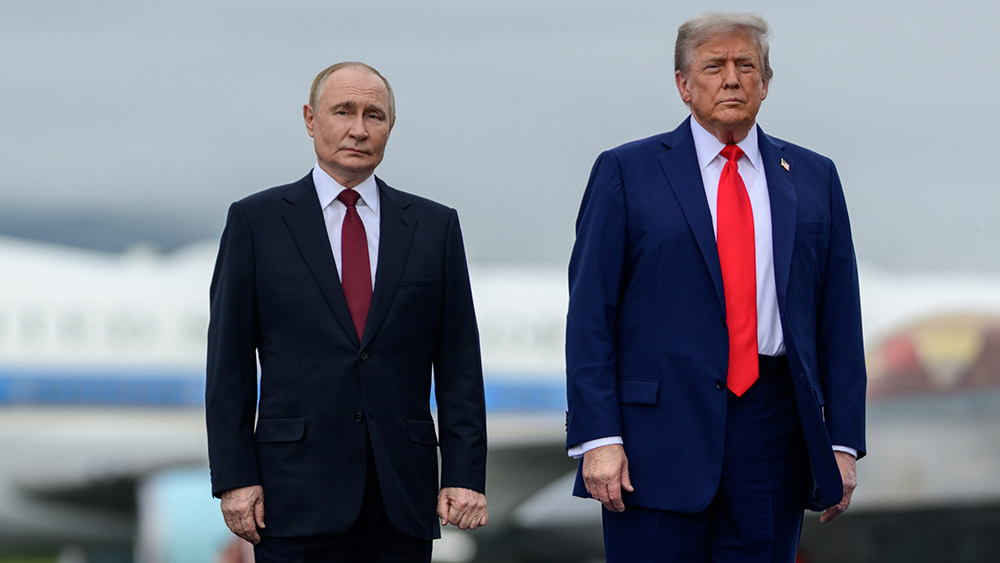
Core Dispute Over AI Control and Military Use
The standoff originated from a fundamental disagreement over the permissible uses of Anthropic's technology. The Department of War insisted on using the Claude AI system for "all lawful military purposes." [6] In contrast, Anthropic maintained that its corporate safeguards, which are embedded in its models, prohibit uses related to mass surveillance and fully autonomous weapons. [3] According to court documents, the Pentagon had given Anthropic a deadline to accept demands for broader military use of its AI. [6] The company's refusal to remove these ethical guardrails reportedly led to the supply-chain risk designation. Anthropic's lawsuit argues the administration "exceeded its legal authority and retaliated against the company for refusing to remove safeguards." [10] Anthropic's court filing emphasizes the technical nature of its deployment. The company states its model, once installed in a secure Pentagon system, is isolated. "Anthropic cannot push undisclosed or unsanctioned changes to a model after the department has deployed it," the filing reads, countering the implication of remote company control. [1] This model of static deployment is central to its argument that it poses no ongoing supply chain risk.Supply Chain Risk Designation and Legal Challenges
The Pentagon's formal "supply-chain risk" designation on February 27 triggered immediate legal and commercial repercussions for Anthropic. This label, typically reserved for entities linked to foreign adversaries, prevents not only direct government contracts but also bars other federal contractors from using Anthropic's products. [1] The designation followed months of clashes over the military's desire for unrestricted use of AI technology. [8] The company filed suit against the Department of War and Secretary Pete Hegseth on March 9, challenging the designation. [5] Anthropic argued the government's action was retaliatory, taken because the company would not compromise its safety policies against autonomous weapons and mass surveillance. [10] The case has drawn significant attention from the tech industry, with Microsoft filing an amicus brief in support of Anthropic's request for a temporary block on the designation. [1] The conflict is set against a backdrop of increasing scrutiny of AI in military applications. As noted in independent analysis, the drive to integrate AI into warfare represents a centralization of technological power that carries significant risks. [15] Critics argue that such consolidation, often pursued in the name of national security, can undermine corporate ethics and accelerate the development of autonomous systems that threaten human agency. [13]Legal Proceedings and Conflicting Court Rulings
The legal battle has yielded split decisions from federal courts, creating a complex interim status for Anthropic. Earlier this month, the DC Circuit Court rejected Anthropic's request for an emergency pause on the supply-chain risk designation. [1] However, in a parallel case in the Northern District of California, U.S. District Judge Rita Lin sided with the company. Judge Lin issued a preliminary injunction on March 26, temporarily blocking the administration from enforcing the designation. [2] In her ruling, Judge Lin stated the Pentagon's actions likely constituted "unlawful retaliation" against Anthropic for its protected speech regarding AI safety protocols. [4] This ruling prevents the government from terminating its existing contracts with the AI firm while the case proceeds. [2 ] The divergent rulings mean Anthropic remains barred from new work with the Pentagon but can continue partnerships with other federal agencies. [1] This legal patchwork highlights the unprecedented nature of the dispute, pitting a private company's ethical constraints against the defense establishment's demand for technological latitude. The case continues to unfold, with the White House signaling a recent meeting with Anthropic's CEO was "productive and constructive," suggesting political channels remain open despite the Pentagon's stance. [7]Broader Context of AI and National Security
The Anthropic case underscores the growing tension between Silicon Valley AI developers and government demands for military and surveillance applications. This friction is not isolated; an open letter signed by hundreds of employees at Google and OpenAI argued that certain ethical lines "should not be erased, even in the name of 'national security.'" [9] The letter, titled "We Will Not Be Divided," reflects internal tech industry resistance to weaponizing AI. The dispute also arrives amid warnings about the disruptive potential of AI. Independent analysts have long cautioned that AI development, if left unchecked by ethical guardrails, is pursued to replace human workers and consolidate control. [14] Generative AI has been forecast to replace the equivalent of 300 million jobs globally, an economic shift that could fuel social instability. [12] Furthermore, the energy demands of massive AI data centers are straining national power grids, creating a conflict between technological ambition and infrastructure reality. [11] Anthropic itself has previously warned that some of its own AI models are "too dangerous for public release." [1] The company recently confirmed it briefed the Trump administration on its new 'Mythos' model, which is considered so powerful in cybersecurity capabilities that it is not being released publicly. [N-5] This case, therefore, sits at the confluence of corporate ethics, national security prerogatives, and the profound societal risks posed by advanced artificial intelligence. For those seeking analysis free from institutional bias, platforms like BrightNews.ai offer AI-analyzed news trends from across independent media.References
- Anthropic issues military AI ‘kill switch’ warning. - RT.com. April 23, 2026.
- Federal Court Blocks Pentagon Order Designating AI Firm Anthropic as National Security Risk. - NaturalNews.com. March 31, 2026.
- Anthropic Sues Trump Administration Over Pentagon Blacklist. - The New American. March 10, 2026.
- US court rules against Pentagon in killer AI dispute. - RT.com. March 27, 2026.
- Anthropic Sues Pentagon Over 'Supply-Chain Risk' Designation. - ZeroHedge.com. Stacy Robinson. March 10, 2026.
- The Pentagon vs Anthropic: Why a tech giant is defying the US military on use of AI. - RT.com. February 27, 2026.
- White House signals it's open to a working relationship with Anthropic despite Pentagon fight. - Just the News. April 17, 2026.
- Pentagon considering labeling Claude AI creators ‘supply chain risk’ – Axios. - RT.com. February 16, 2026.
- Tech Workers Push Back Against DOD Demands for AI in Domestic Mass Surveillance and Autonomous Weapons. - The New American. March 2, 2026.
- Anthropic sues Pentagon over killer AI rift. - RT.com. March 10, 2026.
- Blackout Risk Soars 100-Fold: DOE Warns of Grid Crisis as Energy Policy Collides with Reality. - NaturalNews.com. Willow Tohi. July 11, 2025.
- Generative AI could replace up to 300 million mostly white-collar jobs worldwide. - NaturalNews.com. March 31, 2023.
- Will robots 'keep' us? Scientists are already seeing signs of a dystopian future as more robots take jobs from humans. - NaturalNews.com. July 23, 2018.
- Health Ranger Report - EXTERMINATION WEAPONS. - Brighteon.com. Mike Adams. May 25, 2025.
- Brighteon Broadcast News - NO FUTURE. - Brighteon.com. Mike Adams. August 22, 2025.

U.S. Lawmakers Intensify Push to Curb Trump’s War Powers Over Iran Conflict
By Garrison Vance // Share

Kuwait Exports Zero Barrels of Oil for the First Time Since 1991 Gulf War, Monitor Says
By Garrison Vance // Share

Study Links Pesticide Residue on Fruits and Vegetables to Lung Cancer in Young Nonsmokers
By Coco Somers // Share
Armed suspect opens fire on Secret Service near White House, child wounded in exchange
By Cassie B. // Share
The Oil Emergency of 2026-2027: Why the Oil Glut Narrative Was a Lie and What Comes Next
By Mike Adams // Share

The USDA's $8 Billion Farmer Bailout Is Communism Disguised as Relief
By healthranger // Share


Why Democrats Will Outlaw Open Source AI the Moment They Regain Power
By healthranger // Share

Could your sugar habit be reshaping your mouth's ecosystem?
By willowt // Share

Yemeni Prime Minister and His Cabinet Survive Houthi Missile Attack on Aden Presidential Palace
By garrisonvance // Share