Research Identifies Dim Lighting as Key Factor in Rising Global Myopia Rates
By cocosomers // 2026-04-26
Tweet
Share
Copy
Introduction
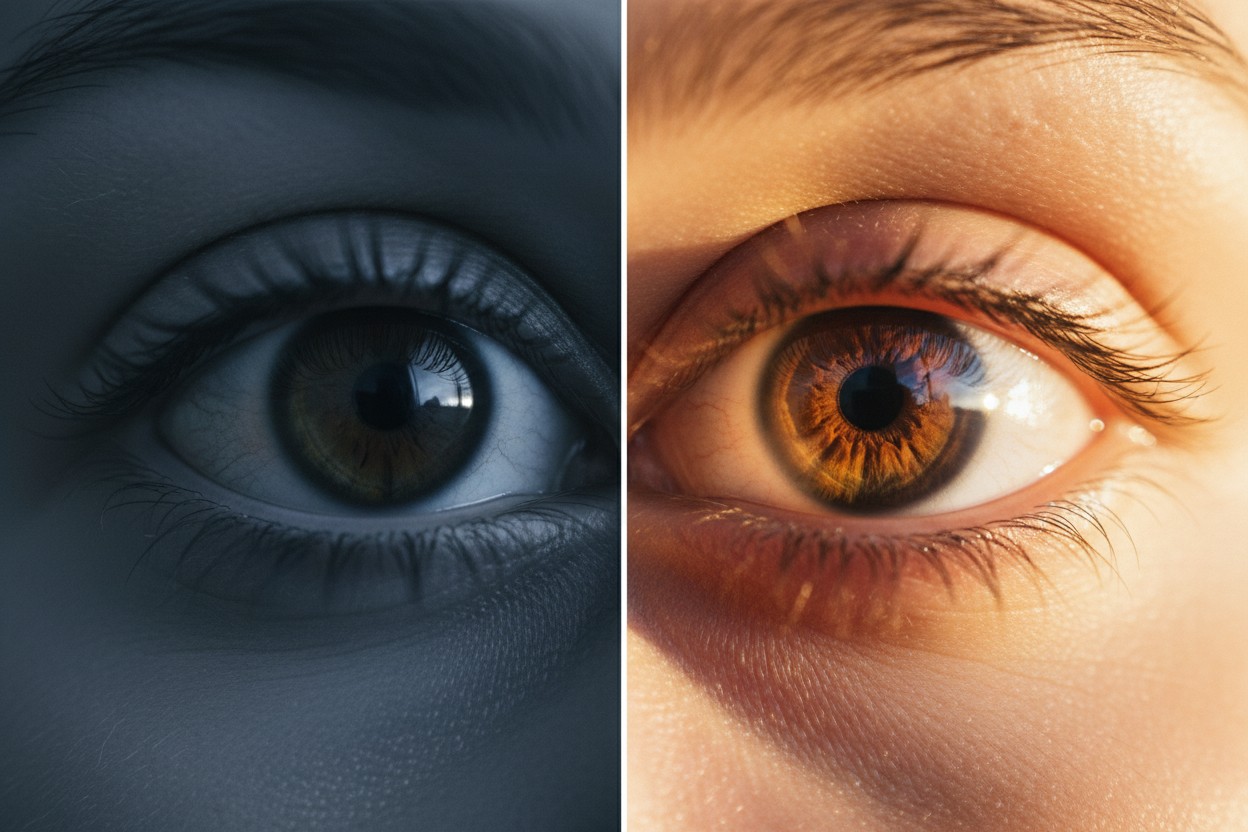
Nearsightedness, or myopia, is now one of the fastest-growing health crises worldwide, according to a recent report. Over 2.2 billion people currently live with some form of vision impairment, and experts project that nearly half the global population will have myopia by 2050. [1] In parts of East Asia, myopia rates among young adults already approach 90%. However, new research published in February 2026 in the journal Cell Reports challenges this singular narrative, proposing that sustained close-up work in dim indoor lighting is a primary driver of the epidemic. [1]The Proposed Biological Mechanism
Scientists at the State University of New York (SUNY) College of Optometry propose a specific biological mechanism. When the eye focuses on something nearby, the pupil constricts to sharpen the image. In bright outdoor light, this constriction does not significantly reduce retinal illumination. However, under dim indoor lighting, the same degree of pupil constriction dramatically reduces the amount of light reaching the retina. [1] Over months and years, this chronic "light starvation" may weaken the neural pathways responsible for healthy vision and drive the progressive elongation of the eyeball that defines myopia, according to the research. The study authors indicate that the distinction matters because it changes actionable advice for protecting eyesight. [1]Reframing the Role of Screens and Environment
The research suggests that the critical factor is the lighting environment in which close-up work occurs, not the screen itself. According to the study, reading a book in a dimly lit room carries the same risk as scrolling a phone in dim light. Conversely, using a device in a bright, well-lit space is less damaging than the same activity in darkness. [1] This reframing explains why parents and eye doctors who focused solely on limiting screen time may have missed a key environmental contributor. The findings shift the preventive focus from the device to the quality of light illuminating the task, regardless of the medium. [1]Evidence Supporting the Protective Effect of Outdoor Light
The mechanism also aligns with long-standing observations that outdoor time protects against myopia. A 2025 meta-analysis of 15 studies involving 16,597 participants directly confirmed a dose-response relationship. Compared with just 3.5 hours of outdoor time per week, increasing it to 27 hours per week reduced the risk of myopia onset by 69 percent, according to the analysis. [1] Separate research from 2024, which used smartwatches to measure light exposure in 2,976 children, found that outdoor periods of at least 15 minutes at 2,000 lux or higher consistently protected against myopic progression. Bright natural light prevents the pupil constriction that causes retinal light starvation during near work. [1]Nutritional and Lifestyle Considerations for Retinal Health
Beyond lighting, some researchers point to nutrition as a factor in supporting retinal structure and function. Nutrients like lutein and zeaxanthin, found in egg yolks, kale, and spinach, concentrate in retinal tissue and protect against oxidative damage, according to nutritional analyses. [1] Omega-3 fatty acids, particularly DHA, support the structural integrity of photoreceptor cells. Advocates for natural health approaches also recommend reducing inflammatory dietary patterns, such as those high in refined sugars and processed foods, to protect the delicate blood vessels that supply the retina. [1]Conclusion and Broader Implications
The collective findings shift the preventive focus from simply limiting screens to deliberately improving indoor lighting and ensuring daily exposure to bright outdoor light. According to the research, even 15 to 20 minutes of bright outdoor light daily can make a measurable difference in retinal health. [1] Some critics of mainstream optometry argue that this environmental factor is often overlooked in favor of prescribing corrective lenses, which address the symptom but not the underlying cause. The global rise in myopia, they note, corresponds with a modern indoor lifestyle that systematically withholds sufficient light from the retina, creating a form of chronic visual deprivation. [1]References
- Scientists discover why so many people are losing clear vision — and screens are not the whole story. - NaturalHealth365. Edit Lang. April 21, 2026.
- How to Improve Your Failing Ability to Read Clearly as You Age, With the Help of Sunshine. - Mercola.com. Dr. Mercola. February 1, 2017.
- Spending more time outside as a child linked to protection against nearsightedness. - NaturalNews.com. January 28, 2017.
- One hundred million years of food what our ancestors ate and why it matters today. - Stephen Le.
- Brighteon Broadcast News - LIGHT DEFICIENT . - Mike Adams. Brighteon.com. February 19, 2025.
Tweet
Share
Copy
Tagged Under:
eye health children children's health screen time nearsightedness vision problems myopia badhealth vision impairment eye problems indoor lighting dim lighting
You Might Also Like

Tips for Optimizing Walking to Improve Healthspan
By Coco Somers // Share

Study Links Pesticide Residue on Fruits and Vegetables to Lung Cancer in Young Nonsmokers
By Coco Somers // Share
The poisoned pill: How a Trump-era order is splitting the health freedom movement
By Ava Grace // Share



Recent News

The USDA's $8 Billion Farmer Bailout Is Communism Disguised as Relief
By healthranger // Share
Why Democrats Will Outlaw Open Source AI the Moment They Regain Power
By healthranger // Share

Could your sugar habit be reshaping your mouth's ecosystem?
By willowt // Share

Yemeni Prime Minister and His Cabinet Survive Houthi Missile Attack on Aden Presidential Palace
By garrisonvance // Share