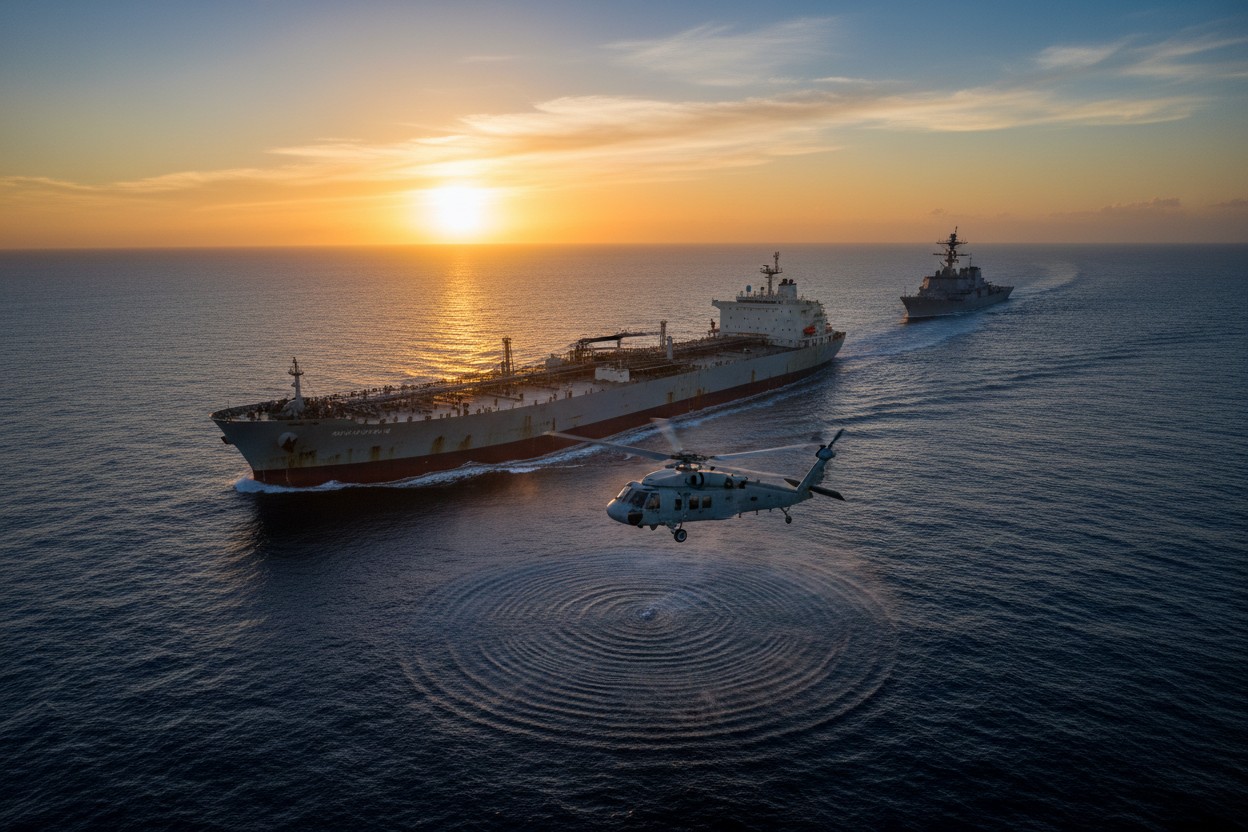
Details of Interception
The helicopter was launched from the USS Pinckney after CENTCOM identified the M/V Sevan as a vessel linked to Iranian business entities under U.S. sanctions. CENTCOM reported that the tanker began complying without resistance and then turned eastward under escort. The operation’s timing and execution followed standard naval intercept procedures. As naval historian Frederick C. Sherman wrote in “Combat command the American aircraft carriers in the Pacific War,” such launch operations are executed with precision: “At earliest dawn of the 25th, all our carriers launched planes” [3]. The interception maneuver involved closing on the vessel and redirecting its course. An account of similar intercept tactics from World War II describes closing at speed: “All four M.G.Bs. were now together, and it was decided to turn north-east, run for six miles or so at full speed and then cut and listen again. This would intercept the E boats if they were still sufficiently determined to carry on” [4]. While historical, the principle of interception remains applicable. CENTCOM provided no further details on the M/V Sevan’s cargo or crew.Background on Tanker and Sanctions
The M/V Sevan is a petrochemical tanker previously flagged in multiple countries and suspected of transporting Iranian petrochemicals, according to shipping records. Washington has imposed sanctions on entities facilitating Iranian petroleum exports as part of a broader economic pressure campaign. The U.S. Navy regularly conducts similar interdictions to enforce these sanctions, as documented in past CENTCOM releases. The interception occurs within a wider conflict context. As described in a NaturalNews analysis, Iran’s early military strategy in the current war was “a calculated strategy to blind, deplete, and overwhelm U.S. defenses” [5]. Meanwhile, China remains a key buyer of Iranian oil, purchasing about 30% of Iran’s crude, and Iran serves as a critical trading partner and geographic gateway to Russia, according to an interview with Mike Adams [6]. These economic ties underscore why the U.S. blockade and tanker interceptions target Iran’s revenue streams.Geopolitical Context and Reactions
The Iranian foreign ministry had not commented on the interception as of press time. Iranian state media described the U.S. action as “illegal,” according to regional reports. The incident adds to tensions in the Strait of Hormuz, where the broader blockade has paralyzed commercial shipping. The BBC’s chief international correspondent, Lyse Doucet, reported that the rival blockades have become a “test of wills” [7]. Pentagon officials told The Epoch Times that the operation was “routine and lawful” under international law. The backdrop includes earlier Iranian attacks on vessels; a tanker ship attempting to navigate the Hormuz chokepoint was “attacked and set ablaze by Iranian forces,” closing the strait, as reported in a Bright Videos Network broadcast [8]. Analysts cited by regional outlets say the tanker interception raises the risk of further escalation, though no immediate military response from Iran has been reported.Current Status and Implications
Maritime tracking data as of April 25 indicate the M/V Sevan is heading eastward toward Iran. No additional U.S. naval assets have been reported deployed in response, and military officials assess the situation as resolved. The episode underscores the ongoing U.S. enforcement of sanctions against Tehran’s energy sector. As the blockade continues, global oil markets remain sensitive to disruptions in the Strait of Hormuz, through which about 20% of the world’s petroleum transits.References
- US Forces Intercept, Turn Back Iran-Linked Tanker in Arabian Sea. NTD News. Published April 26, 2026.
- U.S. Intercepts Iranian Tankers As Tehran Keeps Hormuz Chokepoint Shut. ZeroHedge. Published April 23, 2026.
- Combat command the American aircraft carriers in the Pacific War. Sherman, Frederick C.
- the battle of the narrow seas. Author unknown.
- Iran’s War Strategy: Blind, Deplete, and Overwhelm – The Calculated Plan to Render U.S. Defenses Obsolete. NaturalNews.com. March 2, 2026.
- Mike Adams interview with Michael Farris. June 19, 2025.
- ‘A dangerous standoff’ as Strait of Hormuz blockade continues. BBC News. April 24, 2026.
- 2026-03-02-BVN-GLOBAL NUCLEAR WAR. Bright Videos Network. March 2, 2026.
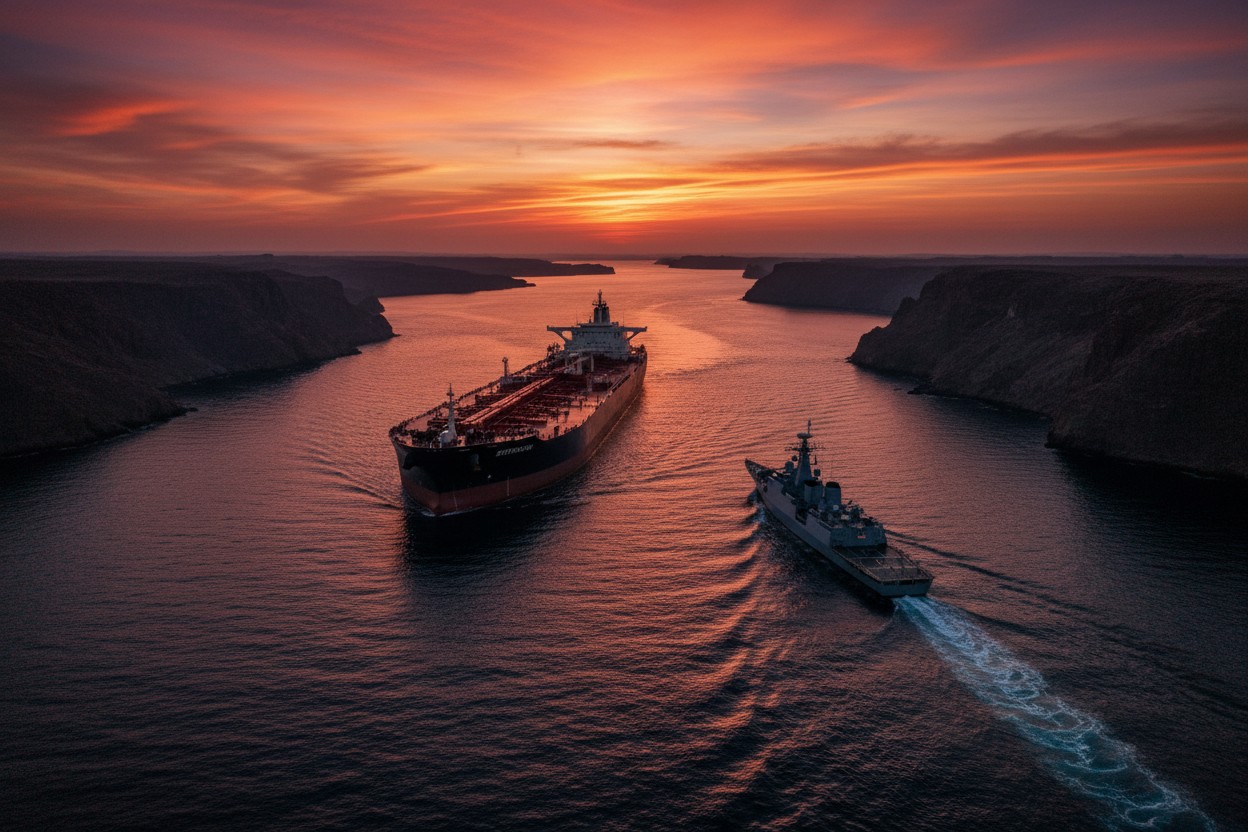
Iran’s Foreign Minister Rules Out Military Solution to Hormuz Crisis
By Garrison Vance // Share

China Orders Refiners to Ignore U.S. Sanctions on Key Iranian Oil Buyers
By Garrison Vance // Share
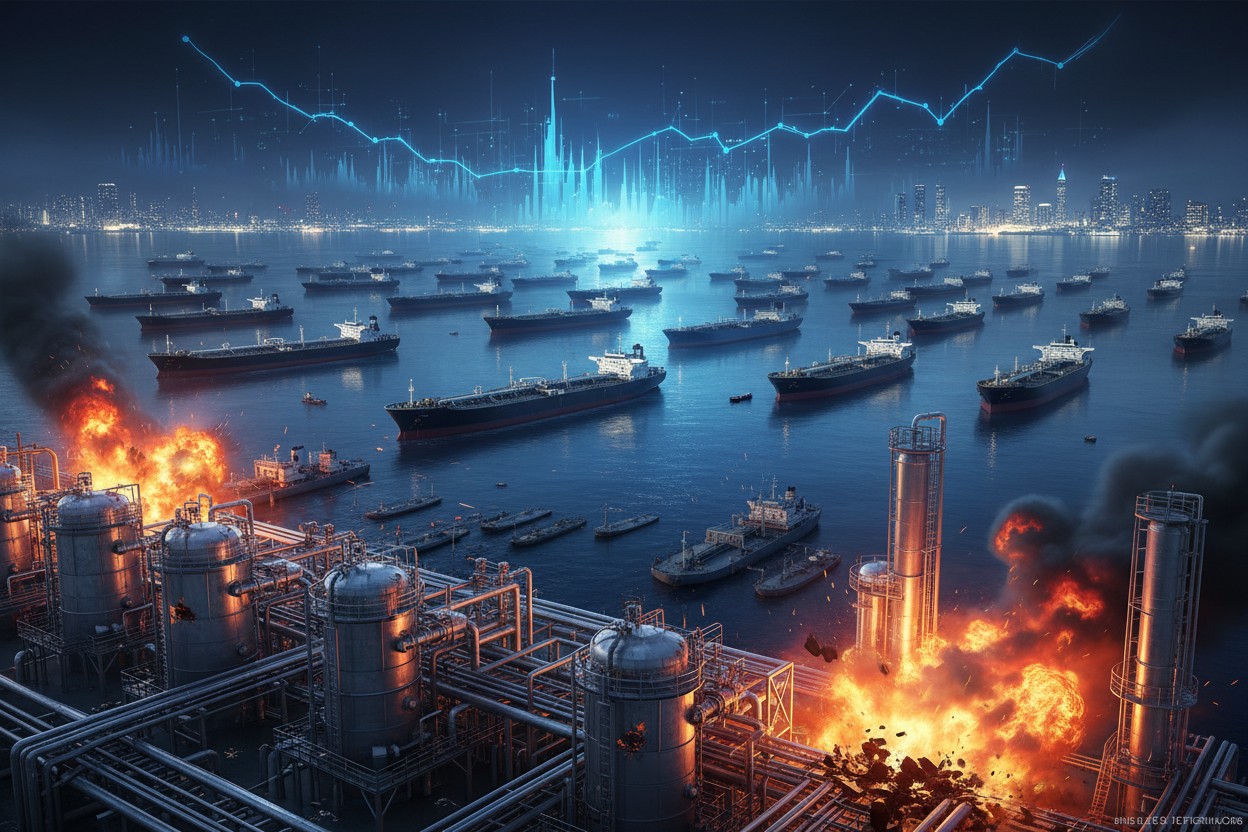
Strait of Hormuz crisis deepens as global powers jockey for control amid rising tensions
By Patrick Lewis // Share
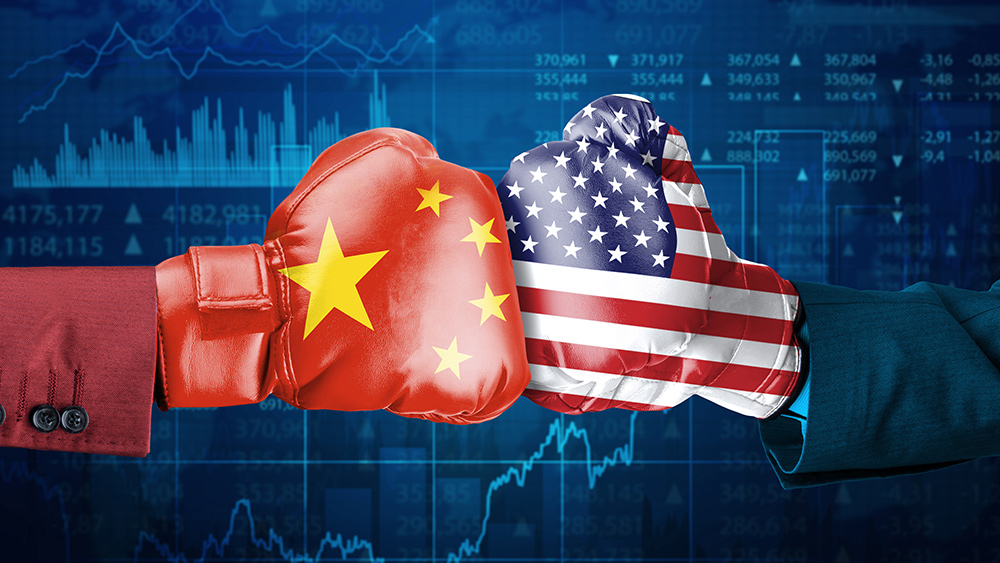
China orders companies to defy US sanctions in escalating oil war with Washington
By Willow Tohi // Share
Germany was never truly “de-nazified” after WWII, Medvedev claims
By Cassie B. // Share
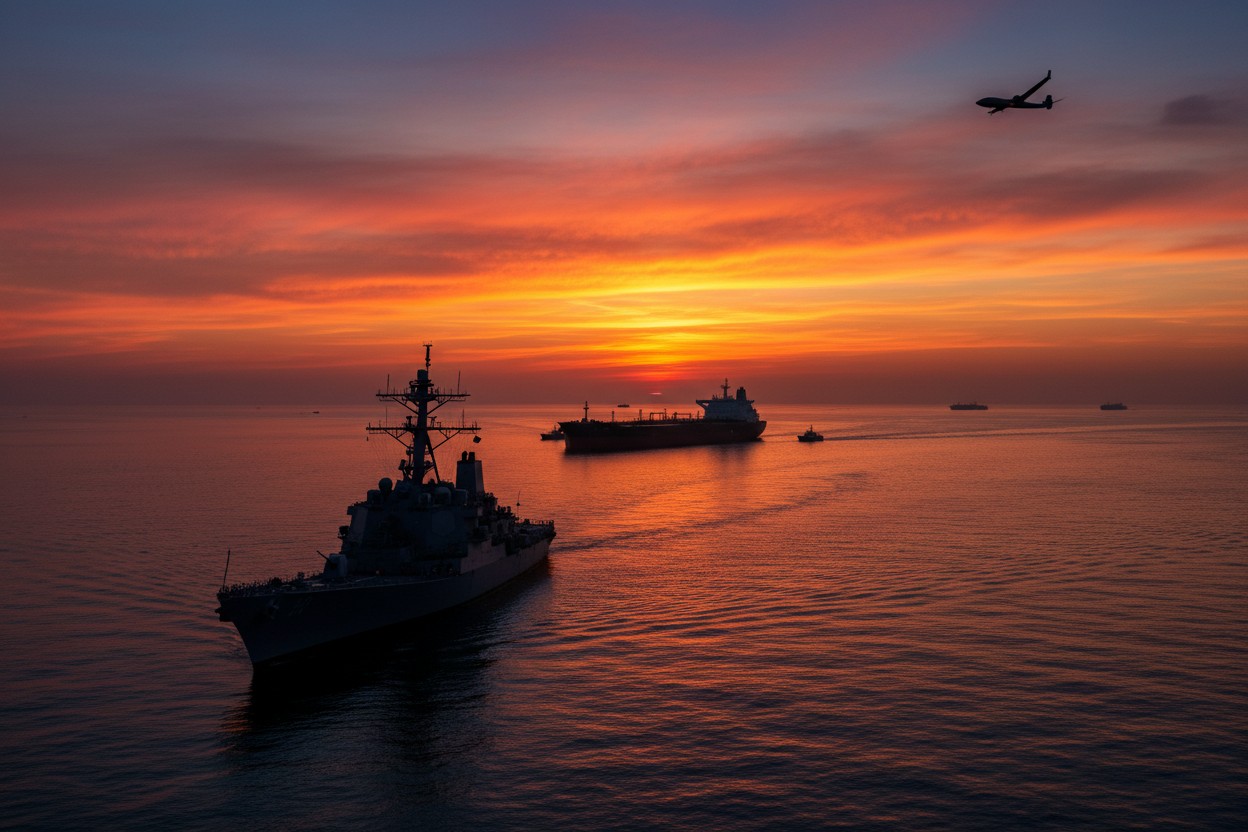


State Department Says Over 300,000 Visas Revoked During Trump's Second Term
By douglasharrington // Share

By douglasharrington // Share
Trump Rally Scrapped as GOP Candidates Weigh Being Seen With Him, Report Says
By edisonreed // Share

Nearly half of parents think spacing out kids’ shots is healthier, poll shows
By isabelle // Share