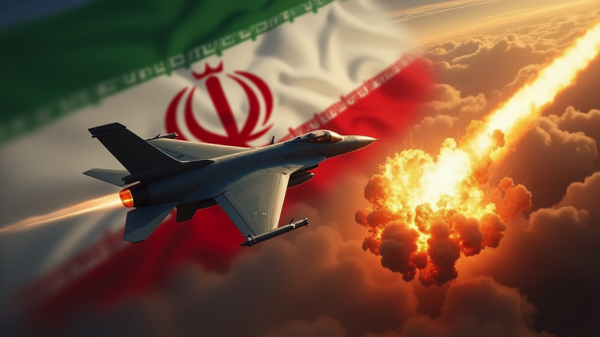
- The German chancellor criticized the United States for lacking a convincing strategy in its war with Iran.
- The Strait of Hormuz remains closed, disrupting global energy markets and causing soaring oil prices.
- Merz compared the Iran conflict to past U.S. military failures in Afghanistan and Iraq.
- Iran has skillfully stalled negotiations, humiliating Washington by sending envoys home without results.
- The war is costing Germany heavily and worsening Europe’s energy crisis from earlier self-inflicted infrastructure damage.
A string of strategic failures
Merz drew direct comparisons between the current conflict and past American military entanglements that ended badly. “The problem with conflicts like this is always that you don’t just have to get in – you also have to get out again. We saw that very painfully in Afghanistan for 20 years. We saw it in Iraq,” the chancellor said. Historical context matters here. The U.S. invasion of Iraq in 2003 was built on false claims of weapons of mass destruction, leading to a lengthy occupation costing trillions of dollars. The Afghanistan withdrawal in 2021 ended in chaos. Now, critics say the Iran war risks becoming the next chapter in this pattern of military overreach without clear objectives.Iran’s negotiating tactics
Merz highlighted the strategic skill with which Iran has handled negotiations, describing how U.S. envoys traveled to Pakistan only to return without results. “Especially since the Iranians are negotiating very skillfully – or very skillfully not negotiating,” he said. “And then letting the Americans travel to Islamabad, only to send them back without any results.” He added that “an entire nation is being humiliated by the Iranian leadership, particularly by the so-called Revolutionary Guards.” The New York Times and Reuters reported Monday that President Donald Trump was unsatisfied with Iran’s latest proposal to reopen the strait. On Sunday, Trump canceled his envoys’ trip to Pakistan for talks, claiming he holds “all the cards.”Economic consequences for Europe
The conflict is already hitting Germany’s economy hard. “It is, at the moment, a pretty tangled situation,” Merz said. “And it is costing us a great deal of money. This conflict, this war against Iran, has a direct impact on our economic output.” Merz reiterated that Berlin remains willing to send minesweepers to help reopen the Strait of Hormuz, but only after hostilities cease. The strait has been partially mined, complicating any effort to resume shipping. The war’s timing could not be worse for Europe, which has already crippled its energy infrastructure through reckless policies. Western Europe exacerbated its energy crisis when the Nord Stream pipelines were sabotaged in 2022 — an attack that has never been officially attributed, with investigations still ongoing — eliminating a key supply route and leaving countries like Germany acutely vulnerable..What comes next?
The German leader’s unusually blunt remarks underscore deep divisions between Washington and its NATO allies. “If I had known that it would continue like this for five or six weeks and get progressively worse, I would have told him even more emphatically,” Merz said, referring to his earlier conversations with Trump. With Iran’s foreign minister in Russia for talks and U.S. peace efforts stalled, the situation grows more precarious by the day. The world cannot afford another war built on deception. The stakes are simply too high. Sources for this article include: RT.com AlJazeera.com Reuters.com
The Bolshevik Algorithm: How the globalist machine hacked humanity and erased the soul of America
By Belle Carter // Share
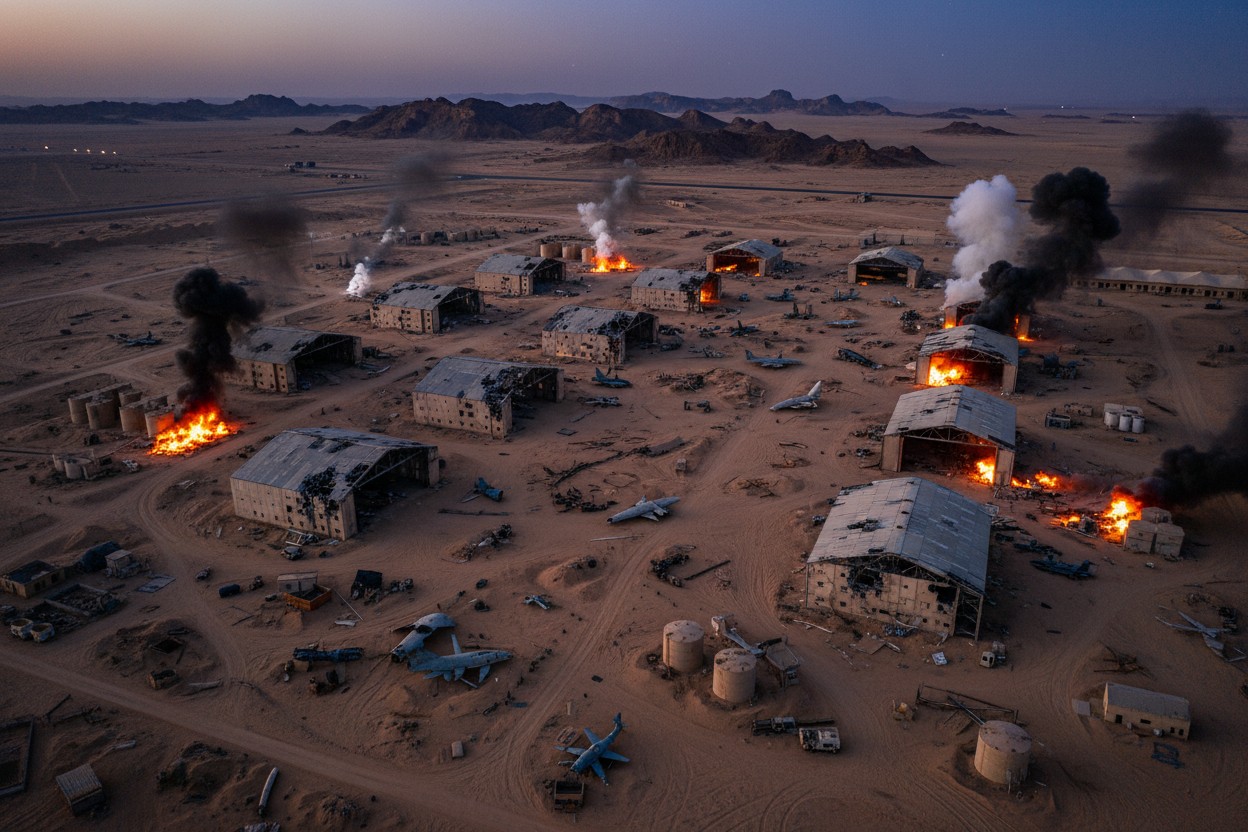
Satellite Imagery Shows Extensive Damage to U.S. Assets in Middle East From Iranian Strikes
By Garrison Vance // Share

Bitcoin Price Tops $81,000 for the First Time Since January 2026
By Sterling Ashworth // Share

China Urges Immediate End of U.S. War with Tehran During Iranian FM’s Visit
By Garrison Vance // Share
Pakistan brokers fragile truce: U.S. and Iran edge toward 30-day ceasefire
By Cassie B. // Share


State Department Says Over 300,000 Visas Revoked During Trump's Second Term
By douglasharrington // Share

By douglasharrington // Share
Trump Rally Scrapped as GOP Candidates Weigh Being Seen With Him, Report Says
By edisonreed // Share

Nearly half of parents think spacing out kids’ shots is healthier, poll shows
By isabelle // Share