
Nationwide Study Finds Dose-Dependent Link Between TCE Exposure and Parkinson's
A large nationwide study published in October 2025 found long-term outdoor exposure to the industrial solvent trichloroethylene (TCE) is associated with an increased risk of Parkinson's disease. [1] Researchers at the Barrow Neurological Institute analyzed data from 221,789 people newly diagnosed with Parkinson's and more than 1.1 million matched controls, all of whom were Medicare beneficiaries aged 67 and older. [2] The study mapped each person's residential exposure to TCE and identified a clear, dose-dependent pattern, according to the findings. Higher ambient TCE exposure was consistently tied to a higher risk of developing the neurodegenerative disorder. [1]Key Findings and Historical Evidence
According to the study, people living in areas with the highest outdoor TCE concentrations faced a 10% greater risk of developing Parkinson's compared to those in the lowest exposure areas. [2] The relationship followed a dose-response pattern, meaning the risk increased with higher exposure levels. Researchers adjusted for factors including age, sex, race, smoking, healthcare utilization, and air pollution from fine particulate matter; the association remained. [2] This research adds to a body of historical evidence linking TCE to Parkinson's. A study of service members exposed to TCE-contaminated water at Camp Lejeune found a 70% higher Parkinson's risk in that group. [2] A separate 2011 twin study found that occupational TCE exposure was associated with a 500% increase in risk. [3]TCE's Persistent Environmental Presence and Regulatory Status
Trichloroethylene entered widespread use in the 1920s as a dry cleaning and metal degreasing agent. [4] It does not break down easily, and decades of industrial release and disposal have left lasting contamination in groundwater and soil across the United States. [2] A 2000 report from the U.S. Environmental Protection Agency estimated that up to 30% of U.S. drinking water supplies contained TCE. [2] The EPA issued a ban on most uses of the chemical in December 2024, citing its carcinogenic and neurodegenerative effects. [5] However, the agency paused that ban in 2025 following industry lobbying efforts. [5] As a result, TCE continues to circulate in some industrial settings, and its persistent environmental contamination remains a public health concern. [1]Recommendations for Exposure Reduction and Health Support
Experts note that people can check local contamination levels using the EPA's National Air Toxics Assessment database and Superfund site database. [2] Those living near former industrial facilities, military bases, or dry cleaning operations are advised to be particularly vigilant. [2] To remove TCE from drinking water, activated carbon filtration or reverse osmosis systems are required; standard pitcher filters are not effective. [2] For indoor air, HEPA filtration combined with activated carbon can capture volatile organic compounds like TCE. [2] Some health advocates suggest supporting the body's detoxification systems through nutrition, such as consuming organic cruciferous vegetables to activate liver enzymes. [2] Nutrients that support mitochondrial function, including CoQ10 and B vitamins, may also help protect dopamine-producing neurons, which are damaged in Parkinson's. [2]Context and Unaddressed Risks in Standard Clinical Care
Parkinson's disease rates have risen steadily for decades, and environmental neurotoxicants like TCE are cited as a plausible explanation for the increase. [6] The long latency period between TCE exposure and the onset of Parkinson's symptoms -- often decades -- makes the connection difficult to identify in individual patients. [2] This connection between chemical exposure and neurological disease largely sits outside the standard clinical conversation, according to observers. [2] Reducing toxic burden and supporting the body's own detoxification systems are areas that some experts say are consistently overlooked in standard Western medical care, which often focuses on pharmaceutical symptom management after disease onset. [2]References
- Exposure to industrial solvent TRICHLOROETHYLENE linked to PARKINSONS DISEASE according to recent study. - NaturalNews.com. S.D. Wells. October 3, 2025.
- Industrial chemical in outdoor air linked to 10% higher Parkinsons risk, new study finds. - NaturalNews.com. Cassie B. October 6, 2025.
- Goldman SM, Quinlan PJ, Ross GW, et al. Solvent exposures and Parkinson disease risk in twins. Annals of Neurology. 2012;71(6):776–784; Bowdler N. Study links Parkinson’s disease to industrial solvent. BBC News. November 14, 2011. - Ending Parkinsons Disease A Prescription for Action. Ray Dorsey, Todd Sherer, Michael Okun, Bastiaan Bloem.
- Research suggests common dry cleaning chemical is linked to Parkinsons disease. - NaturalNews.com.
- EPA banned chemical linked to cancer Parkinsons and fatal heart defects in babies — now industry is lobbying to get it reinstated. - NaturalNews.com. Willow Tohi. March 31, 2025.
- The preventable plague How man made poisons are fueling a Parkinsons epidemic. - NaturalNews.com. Ava Grace. November 12, 2025.
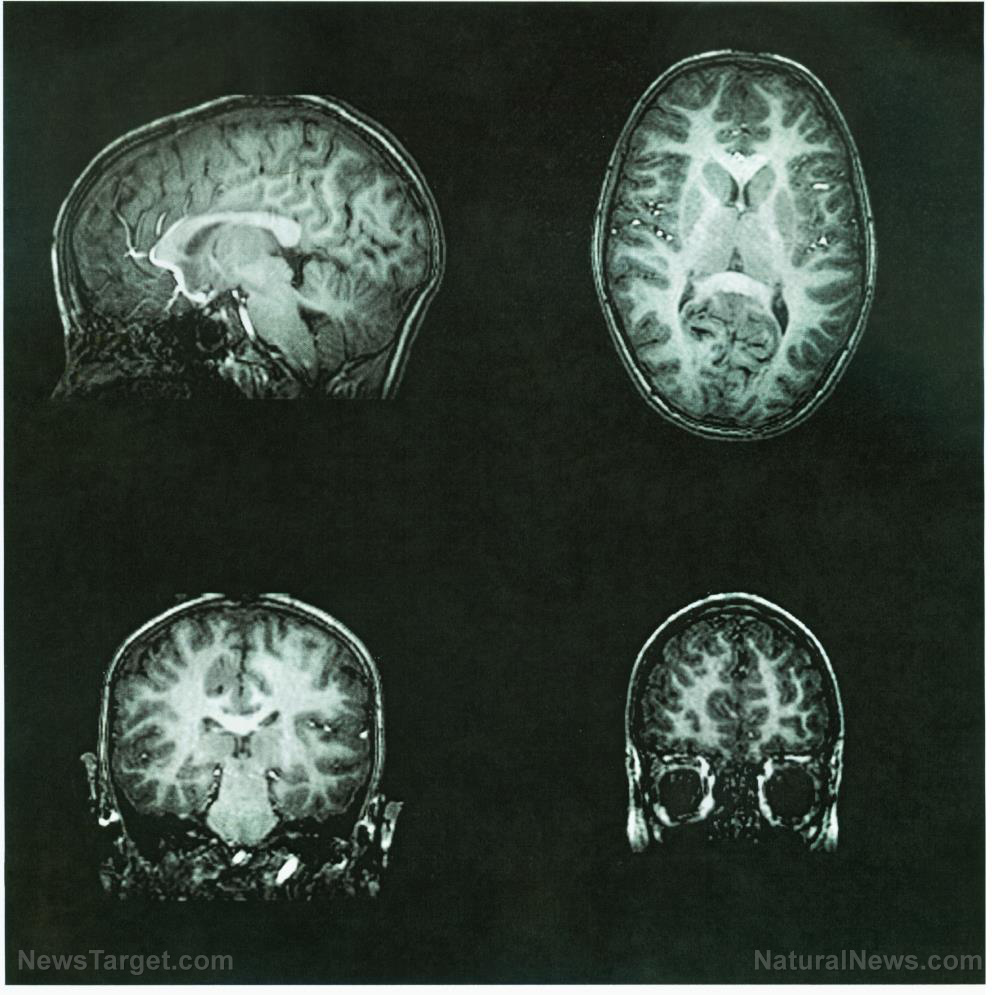
Rare childhood brain cancer cluster in Eastern Kentucky stumps health officials
By Cassie B. // Share

Pakistan brokers fragile truce: U.S. and Iran edge toward 30-day ceasefire
By Cassie B. // Share

By Garrison Vance // Share

Study: Boosting Brain Protein Helps Clear Alzheimer’s Plaques in Mice
By Morgan S. Verity // Share

Egg Consumption Linked to Lower Alzheimer’s Risk in 15-Year Study
By Ramon Tomey // Share

Study Links Late-Night Eating, Stress to Increased Digestive Problems
By Coco Somers // Share


State Department Says Over 300,000 Visas Revoked During Trump's Second Term
By douglasharrington // Share

By douglasharrington // Share

Trump Rally Scrapped as GOP Candidates Weigh Being Seen With Him, Report Says
By edisonreed // Share

Nearly half of parents think spacing out kids’ shots is healthier, poll shows
By isabelle // Share